Compare models
Galaxy A14 Vs Galaxy S25 FE
- 1-year minimum warranty
- Free delivery on all items
- Free 30-day returns
Differences at a glance
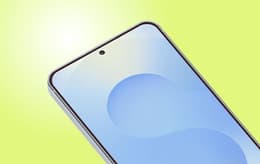
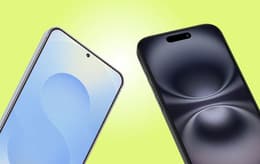
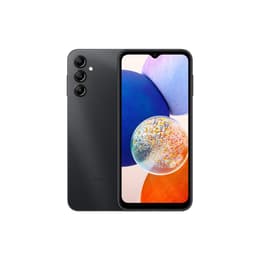
The Samsung Galaxy A14 (2023) and the Samsung Galaxy S25 FE (2025) represent two different tiers within Samsung's extensive smartphone lineup, targeting distinct user needs and daily use cases. While the Galaxy A14 focuses on essential daily communication and straightforward functionality on the Android operating system, the Galaxy S25 FE delivers a high-tier mobile experience with upgraded computing power and advanced photography features. Understanding how these structural differences influence everyday handling helps clarify which device fits specific daily routines.
Available Models
Colour
Storage
Scores
Durability
Long-term usability depends heavily on release schedules, update support timelines, and build resilience over years of daily handling.
- Software Support: The Galaxy S25 FE benefits from a much newer release year, securing several more years of operating system updates and security patches compared to the Galaxy A14.
- Repairability and Build: Both devices feature solid outer shells designed to withstand normal wear, though the Galaxy S25 FE incorporates higher-grade glass and metal materials that offer enhanced structural rigidity over time.
- Expected Lifespan: Users seeking long-term system stability through multiple software cycles will find the extended update schedule of the Galaxy S25 FE aligns well with multi-year ownership plans.
Year of Release
2023
2025
Compatible with latest Update
No
Yes
OS
Android
Android
Foldable
No
No
Performance
Processing capability, memory configuration, and battery retention shape how smoothly each phone handles daily multitasking and demanding applications.
- App Responsiveness: The Galaxy S25 FE handles heavy gaming, rapid app switching, and demanding multitasking smoothly thanks to its current-generation internal processor.
- Battery Behavior: Both devices are equipped to last through a standard day of moderate use, though the Galaxy S25 FE manages energy efficiency more effectively during intensive tasks.
- Storage and Multitasking: The Galaxy S25 FE provides higher baseline memory allocations, keeping background applications active longer without requiring frequent reloads.
Screen quality
Display technology, refresh rates, and outdoor visibility heavily influence media consumption, reading comfort, and overall visual clarity.
- Display Technology: The Galaxy S25 FE utilizes a vibrant OLED display with deep black levels and rich contrast, whereas the Galaxy A14 relies on a standard LCD panel with more basic color reproduction.
- Outdoor Brightness: Peak brightness levels on the Galaxy S25 FE allow for comfortable viewing under direct sunlight, while the Galaxy A14 requires some shielding in very bright outdoor settings.
- Visual Smoothness: A higher refresh rate on the Galaxy S25 FE ensures fluid scrolling through web pages and documents, compared to the standard refresh rate found on the Galaxy A14.
Audiovisual
Optics, sensor configurations, and internal processing determine the quality of captured photos, recorded videos, and media playback through built-in speakers.
- Camera System: The Galaxy S25 FE features a versatile multi-lens setup including a dedicated telephoto option, while the Galaxy A14 relies on a simpler multi-lens array geared toward basic everyday snapshots.
- Low-Light Photography: Advanced image processing on the Galaxy S25 FE captures clearer details in dim environments with minimal visual noise, whereas the Galaxy A14 requires stable lighting for optimal clarity.
- Audio Output: Built-in speakers on the Galaxy S25 FE deliver balanced stereo sound for casual video viewing, compared to the single-speaker setup on the Galaxy A14.
Miscellaneous
Physical dimensions, connectivity standards, and daily handling characteristics dictate how comfortably each device fits into travel bags and pockets.
- Connectivity Standards: The Galaxy S25 FE supports faster Wi-Fi protocols and modern 5G bands for stable network connections, while the Galaxy A14 covers standard cellular and wireless networks.
- Physical Dimensions: Both phones offer comfortable grip shapes, though the Galaxy A14 features a slightly thicker plastic housing compared to the slimmer profile of the Galaxy S25 FE.
- Authentication Sensors: Both models provide secure unlocking through fingerprint recognition and facial scanning for quick access throughout the day.
Weight
201 g
190 g
Screen size (in)
6.6
6.7
Mobile network
4G
5G
SIM card
Dual Physical SIM
Physical SIM + eSIM
Carrier compatibility
Unlocked
Unlocked
What the community thinks
When deciding between these two devices, user priorities serve as the primary guide. Users prioritizing maximum processing power, advanced photography tools, and a high-refresh-rate display will find the Galaxy S25 FE well-suited to their needs. Conversely, users who primarily require straightforward communication, messaging, and basic web browsing without advanced processing demands may lean toward the Galaxy A14. Real-world feedback notes that the Galaxy S25 FE excels in demanding multitasking scenarios, while the Galaxy A14 satisfies users looking for a straightforward, no-frills communication tool. For those considering an eco-friendly alternative, exploring a quality-assured refurbished option from Back Market provides a sustainable choice that extends device life cycles without compromising on performance standards. Ultimately, selecting the right model depends on matching individual daily tasks with the appropriate device capabilities.