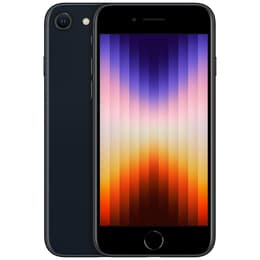

Galaxy S10+ Vs iPhone SE (2022)

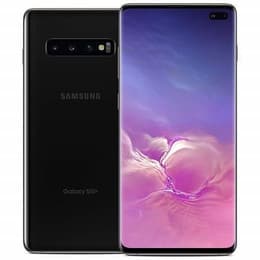
Galaxy S10+
Galaxy S10+
Starting at

Refurbished price:£115.32

Versus £330.00 new

See options
iPhone SE (2022)
iPhone SE (2022)
Starting at

Refurbished price:£102.00

Versus £429.00 new

See options

Ratings

The Samsung Galaxy S10 Plus, released in March 2019, and the iPhone SE (2022), launched in March 2022, represent different approaches to smartphone design and functionality from their respective manufacturers. While the Galaxy S10 Plus offered a premium Android experience with a focus on a large, expansive display and versatile camera system, the iPhone SE (2022) provides a compact iOS experience powered by a modern processor. These devices cater to users with distinct preferences regarding operating system, form factor, and feature sets.

Scores

Durability

When considering the practical lifespan of these devices, their release timelines and software support are key factors.

  • Release Timeline and OS Support: The Samsung Galaxy S10 Plus, released in March 2019, received its last major operating system upgrade to Android 12 with One UI 4 in January 2022, reaching its end of life for major software updates in April 2023. In contrast, the iPhone SE (2022), launched in March 2022, benefits from Apple's longer software support, with expectations of receiving iOS updates for approximately 5-7 years from its release, making it eligible for iOS 26 as of September 2025.
  • Repairability and Practical Lifespan: Both devices offer a degree of repairability, though specific scores can vary. The iPhone SE (2022) maintains a design similar to previous models, which can sometimes simplify certain repairs. The Galaxy S10 Plus features Gorilla Glass on both the front and back, contributing to its physical durability. Users seeking extended software longevity will find the iPhone SE (2022) offers a longer period of guaranteed updates, while the Galaxy S10 Plus, though still functional, will no longer receive the latest Android features.
  • Durability Features: The Galaxy S10 Plus features Corning Gorilla Glass 6 on the front and Gorilla Glass 5 on the back, along with an aluminum frame, and boasts an IP68 rating for water and dust resistance. The iPhone SE (2022) also has a glass front and back with an aluminum frame and carries an IP67 rating for splash, water, and dust resistance.

Year of Release

2019

2022

Compatible with latest Update

No

Yes

OS

Android

iOS

Foldable

No

No

Performance

The performance of these two smartphones is influenced by their internal components and how they handle daily tasks.

  • Processor Capabilities: The iPhone SE (2022) is equipped with a significantly newer and more powerful processor, allowing it to handle demanding applications, multitasking, and graphics-intensive games with notable responsiveness and efficiency. The Galaxy S10 Plus, while a flagship in its time, features an older generation processor that still provides smooth performance for everyday use and gaming, though it may not match the raw speed of the newer iPhone SE (2022) in very intensive scenarios.
  • Storage and RAM: The Galaxy S10 Plus offered various configurations, including options with 8GB or 12GB of RAM and storage up to 1TB, providing ample space and memory for extensive multitasking and large media libraries. The iPhone SE (2022) comes with 4GB of RAM and storage options up to 256GB, which is sufficient for most users and ensures smooth operation within the iOS ecosystem.
  • Battery Behavior: The Galaxy S10 Plus features a 4100 mAh battery, which users often report as capable of lasting a full day of heavy use or even a day and a half for moderate users. The iPhone SE (2022) has a smaller battery capacity, and while its efficient processor helps, its battery life is generally considered average, typically lasting a full day for moderate use but potentially requiring more frequent charging for heavy users.

Memory (GB)

8 GB

4 GB

Screen quality

The visual experience on these devices differs significantly due to their display technologies and designs.

  • Display Technology and Clarity: The Samsung Galaxy S10 Plus features a 6.4-inch Dynamic AMOLED display with a Quad HD+ resolution (3040 x 1440 pixels) and a high pixel density of 522 ppi. This results in a stunning visual experience with vibrant colors, deep blacks, and excellent clarity. The iPhone SE (2022) uses a 4.7-inch Retina HD LCD display with a resolution of 1334 x 750 pixels and 326 ppi. While it offers good color accuracy and brightness, it does not achieve the same contrast or vibrancy as an OLED panel.
  • Brightness and Viewing Experience: The Galaxy S10 Plus's display supports HDR10+ and offers high brightness levels, making it suitable for outdoor viewing and media consumption. The iPhone SE (2022) provides a maximum brightness of 625 nits and features Wide Color (P3) and True Tone technology for adaptive white balance, ensuring a clear viewing experience in various lighting conditions.
  • Screen Size and Design: The Galaxy S10 Plus boasts an expansive, edge-to-edge Infinity-O display with minimal bezels and curved sides, offering an immersive viewing area. The iPhone SE (2022) retains a more traditional design with a smaller screen and noticeable bezels at the top and bottom, which some users might find less immersive for media.

Resolution

1440 x 3040

750 x 1334

Screen type

Dynamic AMOLED

Retina IPS LCD

Audiovisual

Both smartphones offer capable camera systems, though their approaches and features vary.

  • Rear Camera System: The Samsung Galaxy S10 Plus features a versatile triple-camera setup on the rear, including a 12MP wide-angle lens with variable aperture, a 12MP telephoto lens with 2x optical zoom, and a 16MP ultrawide lens. This array provides flexibility for various shooting scenarios, producing detailed photos with good color in well-lit conditions. The iPhone SE (2022) relies on a single 12MP main camera with optical image stabilization, leveraging its advanced processor for computational photography features like Deep Fusion and Photographic Styles to enhance image quality.
  • Low-Light and Video Performance: In low-light conditions, the Galaxy S10 Plus delivers usable photos, though its performance may not match the dedicated night modes found in newer devices. It offers excellent video recording capabilities. The iPhone SE (2022) performs well in decent lighting, but its lack of a dedicated Night mode means low-light images can appear darker and grainier. It records high-quality video at up to 4K 60fps.
  • Front Camera and Audio: The Galaxy S10 Plus includes dual front-facing cameras (10MP + 8MP) for detailed selfies and advanced portrait effects. The iPhone SE (2022) has a 7MP front camera that performs well in good lighting. For audio, the Galaxy S10 Plus includes a 3.5mm headphone jack, while the iPhone SE (2022) does not.

Main camera

12 megapixels

12 megapixels

Front camera

10 megapixels

7 megapixels

Miscellaneous

Beyond core features, several practical elements contribute to the overall user experience of these devices.

  • Connectivity and Ports: The iPhone SE (2022) supports 5G connectivity, offering faster mobile data speeds where available, alongside Wi-Fi 6 and Bluetooth 5.0. The Galaxy S10 Plus supports LTE Advanced, Wi-Fi 6, and Bluetooth 5.0, but does not include 5G. A notable difference is the Galaxy S10 Plus's inclusion of a 3.5mm headphone jack and a microSD card slot for expandable storage, features absent on the iPhone SE (2022).
  • Biometric Security: The Galaxy S10 Plus features an ultrasonic in-display fingerprint sensor and 2D face unlock for secure access. The iPhone SE (2022) utilizes Touch ID, an integrated fingerprint sensor within its physical home button.
  • Physical Design and Handling: The Galaxy S10 Plus is a larger device, measuring 157.6 x 74.1 x 7.8 mm and weighing around 175g (glass model), offering a substantial feel and a large screen for content. The iPhone SE (2022) is more compact and lighter at 138.4 x 67.3 x 7.3 mm and 144g, making it easier for one-handed use and pocketability. The Galaxy S10 Plus also offers Wireless PowerShare, allowing it to wirelessly charge other compatible devices.

Weight

175 g

144 g

Screen size (in)

6.4

4.7

Mobile network

4G

5G

SIM card

Dual Physical SIM

Physical SIM + eSIM

Carrier compatibility

Unlocked

Unlocked

Choosing between the Samsung Galaxy S10 Plus and the iPhone SE (2022) involves weighing different priorities, as each device excels in distinct areas. Users often praise the Galaxy S10 Plus for its expansive and vibrant AMOLED display, versatile triple-camera system, and the inclusion of features like a headphone jack and expandable storage. Common criticisms, however, point to its older software support timeline compared to newer devices and its low-light camera performance not always matching the best of its era.

The iPhone SE (2022) is frequently lauded for its powerful and efficient processor, ensuring smooth performance for years to come, and its compact form factor with the familiar Touch ID. On the other hand, users sometimes express concerns about its dated design with large bezels, the smaller LCD screen, and its average battery life, particularly for heavy use. Its single camera, while capable, also lacks the versatility of multi-lens setups.

Users prioritizing a large, high-quality display, a flexible camera system with multiple lenses, and traditional features like a headphone jack and expandable storage may find the Galaxy S10 Plus well-suited to their needs. Conversely, individuals who value a compact design, a powerful and future-proof processor for long-term software support, and the iOS ecosystem will likely lean towards the iPhone SE (2022). Both devices offer reliable performance for their respective user bases. For those considering an eco-friendly alternative, quality-assured refurbished options for both models are available, providing a sustainable choice for extending the life of these electronics.

See all articles

Our recent comparisons