Compare models

Galaxy A26 Vs iPhone 17 Pro

  • 1-year minimum warranty
  • Free delivery on all items
  • Free 30-day returns
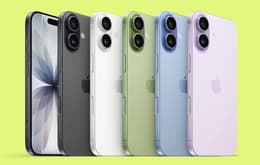
Galaxy A26
Starting at

Refurbished price:£192.99

Versus £425.70 new

See options
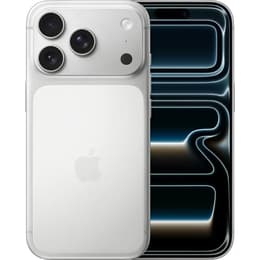
iPhone 17 Pro
Starting at

Refurbished price:£899.00

Versus £1,099.00 new

See options

Differences at a glance

The Samsung Galaxy A26 (2025) and the Apple iPhone 17 Pro (2025) represent two distinct approaches to contemporary smartphone engineering, serving entirely different segments of the mobile market. While the Galaxy A26 focuses on delivering reliable daily capabilities within the Android ecosystem, the iPhone 17 Pro targets advanced mobile productivity and high-end multimedia creation through Apple's iOS platform. These devices differ substantially in their core operating systems, hardware sophistication, and overall design philosophy, making them suitable for contrasting user priorities.

Available Models

Colour

Storage (GB)

Scores

Durability

When evaluating hardware durability and software longevity, both devices offer robust support models tailored to long-term usage, though they approach updates through different ecosystems.

  • Software Support Longevity: The iPhone 17 Pro receives multi-year operating system upgrades typical of Apple's flagship tier, while the Galaxy A26 provides several generations of Android OS updates alongside extended security patches.
  • Build Materials and Repairability: The iPhone 17 Pro utilizes reinforced glass protection and a sturdy metal frame, whereas the Galaxy A26 features durable glass protection combined with an IP67 water and dust resistance rating.
  • Expected Lifespan: Both models are built to easily endure several years of daily routine tasks, with internal component quality supporting reliable operation over extended periods.

Year of Release

2025

2025

Compatible with latest Update

Yes

Yes

OS

Android

iOS

Foldable

No

No

Performance

System responsiveness and everyday multitasking capabilities vary noticeably between these two models based on their internal hardware configurations and software optimization.

  • Storage Configurations: The Galaxy A26 provides expandable storage options via microSD cards, whereas the iPhone 17 Pro relies exclusively on fixed internal storage tiers starting at larger capacities.
  • Multitasking and App Loading: The iPhone 17 Pro handles demanding mobile games and heavy creative workloads with maximum fluidity, while the Galaxy A26 manages everyday productivity apps, social media, and routine browsing smoothly.
  • Battery Behavior: The Galaxy A26 features a large cell capacity designed to comfortably clear standard daily use routines, whereas the iPhone 17 Pro balances high-performance output with efficient power management for solid daily endurance.

Screen quality

Display technology on both smartphones delivers crisp visuals and vibrant reproduction, though they employ distinct panel sizes and refresh rate implementations.

  • Display Technology: The Galaxy A26 features a large Super AMOLED panel with deep contrast levels, while the iPhone 17 Pro employs an advanced OLED display equipped with adaptive high refresh rate technology.
  • Outdoor Visibility: Both devices offer high peak brightness modes that maintain screen legibility and text clarity under direct sunlight conditions.
  • Viewing Area: The Galaxy A26 provides a roomier canvas for media consumption and reading, whereas the iPhone 17 Pro balances a more compact footprint with high pixel density.

Resolution

1080x2340

2622x1206

Audiovisual

Optics and media output capabilities cater to different creative requirements, ranging from casual snapshot photography to advanced professional recording tools.

  • Camera Array Versatility: The iPhone 17 Pro incorporates a triple high-resolution sensor system featuring flexible optical zoom levels and specialized pro recording formats, while the Galaxy A26 utilizes a practical main sensor accompanied by an ultra-wide option for everyday memories.
  • Video Recording: The iPhone 17 Pro supports advanced cinematic profiles and detailed stabilization features, whereas the Galaxy A26 captures clear, stable clips suitable for casual sharing.
  • Audio and Media Output: Stereo speaker setups on both devices deliver clear sound delivery for hands-free calls, video playback, and music listening.

Front camera

13 megapixels

18 megapixels

Miscellaneous

Practical daily usability elements, physical dimensions, and connectivity standards define how each device integrates into a traveler's or professional's routine.

  • Connectivity Standards: Both smartphones support modern 5G cellular networks, high-speed Wi-Fi protocols, and Bluetooth connectivity for wireless accessories.
  • Physical Dimensions: The Galaxy A26 offers a slightly taller profile with a thin chassis, while the iPhone 17 Pro presents a denser, more compact form factor with distinct handling ergonomics.
  • Biometric Security: The Galaxy A26 includes a side-mounted fingerprint sensor alongside facial recognition, whereas the iPhone 17 Pro relies on advanced 3D facial mapping technology.

Weight

200 g

206 g

Screen size (in)

6.7

6.3

Mobile network

5G

5G

SIM card

Dual Physical SIM

Physical SIM + eSIM

Carrier compatibility

Unlocked

Unlocked

Connector

USB-C

USB-C

What the community thinks

User discussions across community forums highlight distinct preferences for each device depending on daily workflow habits. Owners of the Galaxy A26 frequently praise its reliable battery endurance, expandable storage slot, and expansive display panel, though some users note that demanding 3D gaming can push the processor to its limits. Conversely, iPhone 17 Pro users routinely commend its exceptional processing headroom, premium camera flexibility, and fluid screen technology, while common discussions sometimes focus on the higher investment required for large storage tiers.

Users who prioritize media consumption on a large screen, expandable storage flexibility, and straightforward daily Android operation will find the Galaxy A26 well-suited to their needs. Meanwhile, users who require advanced camera versatility, top-tier processing power for demanding tasks, and deep integration within the iOS ecosystem may lean toward the iPhone 17 Pro. For those seeking a sustainable choice, a quality-assured refurbished option provides a reliable, eco-friendly alternative to purchasing brand-new hardware without compromising on functional integrity.