Galaxy Tab S8+ (12.4", 2022) Vs iPad Pro (2021, M1 series)

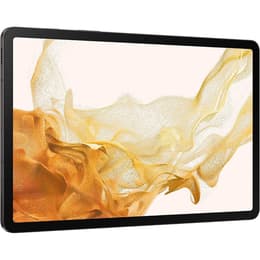
Galaxy Tab S8+ (12.4", 2022)
Starting at

Refurbished price:£323.36

Versus £999.00 new

See options
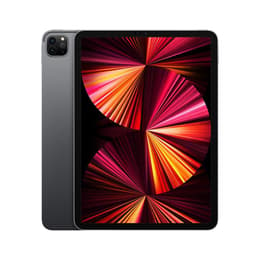
iPad Pro (2021, M1 series)
Starting at

Refurbished price:£359.00

Versus £749.00 new

See options

Ratings

The Samsung Galaxy Tab S8 Plus, released in 2022, and the Apple iPad Pro M1 Series, launched in 2021, represent two prominent options in the premium tablet market. Both devices offer expansive displays and robust performance, but they cater to different user ecosystems with distinct operating systems: Android for the Tab S8 Plus and iPadOS for the iPad Pro. Key differentiators lie in their display technology, software ecosystems, and accessory integration, influencing how users interact with each device for productivity and entertainment.

Scores

Durability

When considering the long-term usability of a tablet, software support and physical durability are important factors. Both devices offer substantial longevity, though with differing approaches to updates and repairability.

  • Software Updates: The Galaxy Tab S8 Plus is expected to receive four years of operating system updates and five years of security updates from its 2022 release. The iPad Pro M1 Series, released in 2021, typically benefits from Apple's extended software support, often receiving major iPadOS updates for five to seven years or more, potentially offering a longer period of current software functionality. [14, 26, 27]
  • Repairability: The Galaxy Tab S8 Plus is considered moderately repairable, with screen replacements being feasible, though the cost of parts can be a consideration. [25] The iPad Pro M1 Series generally receives lower repairability scores from independent assessments due to the extensive use of strong adhesives and fused display components, which can complicate repairs. [29, 31, 33, 36]
  • Practical Lifespan: Both tablets are built with durable materials, featuring aluminum backs and glass fronts. Users can expect several years of reliable performance from either device, with the iPad Pro potentially offering a longer window for receiving the latest software features. [3, 14, 27]

Year of Release

2022

2021

Compatible with latest Update

Yes

Yes

OS

Android

iPadOS

Performance

Performance is a core aspect for high-end tablets, and both the Galaxy Tab S8 Plus and the iPad Pro M1 Series deliver substantial power, though they achieve it through different hardware and software optimizations.

  • Processing Power: The iPad Pro M1 Series features a powerful processor that provides exceptional speed and efficiency, making it highly capable for demanding applications, intensive multitasking, and advanced creative workflows. [23, 27] The Galaxy Tab S8 Plus is equipped with a current-generation processor that handles everyday tasks, gaming, and productivity applications smoothly. [3, 9, 13]
  • Multitasking and Responsiveness: The iPad Pro's processor, combined with its optimized operating system, offers a highly responsive user experience, allowing for seamless switching between multiple applications and efficient handling of complex projects. [6, 27] The Galaxy Tab S8 Plus provides a fluid experience for multitasking, with its Android-based software offering features like split-screen and floating windows for enhanced productivity. [8, 19]
  • Storage and Memory: Both tablets offer various storage configurations, with the iPad Pro M1 Series providing options up to 2TB and up to 16GB of RAM in higher-tier models. [2, 18] The Galaxy Tab S8 Plus offers storage options up to 512GB and includes a microSD card slot for expandable storage up to 1TB, a feature not present on the iPad Pro. [9, 13, 24]

Memory (GB)

8 GB

8 GB

Screen quality

The visual experience is a primary consideration for tablets, and both devices offer high-quality displays with distinct characteristics that cater to different preferences.

  • Display Technology: The Galaxy Tab S8 Plus features a 12.4-inch Super AMOLED display, known for its deep blacks, high contrast, and vibrant colors. [3, 9, 13] The 12.9-inch iPad Pro M1 Series utilizes a Liquid Retina XDR display with Mini-LED technology, which delivers exceptional brightness, precise local dimming, and a wide dynamic range, making it particularly well-suited for HDR content. [1, 2, 23]
  • Resolution and Clarity: Both tablets offer high resolutions, with the Tab S8 Plus at 1752 x 2800 pixels and the 12.9-inch iPad Pro at 2732 x 2048 pixels, resulting in sharp text and clear images. [1, 3, 9] The pixel densities are comparable, ensuring a crisp viewing experience on both devices. [10]
  • Refresh Rate and Brightness: Both displays support a 120Hz refresh rate, providing smooth scrolling and responsive interactions. [3, 14] The iPad Pro's Mini-LED display can achieve significantly higher peak brightness, especially for HDR content, which can be beneficial for outdoor use or viewing in bright environments. [2, 23] The Tab S8 Plus's AMOLED display offers excellent brightness for indoor use, though it may be more reflective in very bright conditions. [23, 24]

Resolution

1752 x 2800

2388 x 1668

Screen type

Super AMOLED

Liquid Retina display

Pixel density

270ppp

264ppp

Audiovisual

While tablets are not typically primary photography devices, both the Galaxy Tab S8 Plus and the iPad Pro M1 Series offer capable camera systems for video calls, document scanning, and casual photography.

  • Rear Camera System: The Galaxy Tab S8 Plus includes a dual-camera setup on the rear, featuring a 13-megapixel wide lens and a 6-megapixel ultrawide lens. [3, 9] The iPad Pro M1 Series also has a dual-camera system with a 12-megapixel wide lens, a 10-megapixel ultrawide lens, and a LiDAR scanner for enhanced depth sensing. [1, 2, 12]
  • Front Camera and Video Calls: Both tablets feature a 12-megapixel ultrawide front-facing camera. [3, 9, 18] The iPad Pro includes 'Center Stage,' which automatically keeps the user in frame during video calls. [14, 18] The Tab S8 Plus offers a similar 'Auto-framing' feature and positions its front camera on the longer edge, which can be more natural for landscape video calls. [14, 27] The Tab S8 Plus's front camera can record up to 4K at 60 frames per second, while the iPad Pro records at 1080p at 30 frames per second. [14]
  • Audio Quality: Both devices are equipped with multiple speakers, providing a rich audio experience for media consumption. [3, 14] The iPad Pro's speakers are often noted for their clarity and depth, while the Tab S8 Plus also delivers strong audio performance, especially after minor adjustments. [7, 14]

Miscellaneous

Beyond core performance and display, several practical features contribute to the overall user experience of these tablets.

  • Connectivity and Ports: Both tablets support modern connectivity standards, including Wi-Fi 6 and optional 5G cellular capabilities. [9, 18] The Galaxy Tab S8 Plus features a USB Type-C 3.2 port, while the iPad Pro M1 Series includes a more advanced USB-C port with Thunderbolt/USB 4 support, offering faster data transfer speeds and broader peripheral compatibility. [1, 9, 26] The Tab S8 Plus also uniquely offers a microSD card slot for storage expansion. [9, 24]
  • Biometric Security: The Galaxy Tab S8 Plus incorporates an in-display fingerprint scanner for secure unlocking. [20] The iPad Pro M1 Series utilizes Face ID, a facial recognition system, for biometric authentication. [18, 24]
  • Design and Accessories: Both tablets feature premium aluminum builds with slim profiles. [3, 14, 18] The Galaxy Tab S8 Plus comes with the S Pen stylus included in the box, offering a versatile tool for note-taking and drawing. [14, 24] The Apple Pencil 2, which offers precise input, is sold separately for the iPad Pro. [26]

Weight

567 g

466 g

Screen size (in)

12.4

11

Network

Wi-Fi + 5G

Wi-Fi

Carrier compatibility

Unlocked

Without SIM Port

The Samsung Galaxy Tab S8 Plus and the Apple iPad Pro M1 Series are both highly capable tablets, each excelling in different areas based on user priorities and ecosystem preferences. User feedback for the Galaxy Tab S8 Plus often praises its vibrant Super AMOLED display, the inclusion of the S Pen, and the flexibility of the Android operating system with features like DeX for a desktop-like experience. Some users have noted that its battery life, while generally good, can be impacted by heavy usage and the high-refresh-rate AMOLED screen. [8, 19]

The iPad Pro M1 Series is frequently lauded for its exceptional processing power, the stunning Mini-LED display on the 12.9-inch model, and the extensive app ecosystem optimized for iPadOS. Common criticisms sometimes revolve around iPadOS's limitations in fully utilizing the powerful hardware for desktop-class workflows and the separate purchase of essential accessories like the Apple Pencil. [5, 17, 22]

Users prioritizing an expansive, vibrant AMOLED display, expandable storage, and an included stylus for creative and productivity tasks within the Android ecosystem may find the Galaxy Tab S8 Plus well-suited to their needs. Those who value industry-leading processing power, a highly optimized app experience, and a display with superior brightness and HDR capabilities, particularly within the Apple ecosystem, may lean toward the iPad Pro M1 Series. Both devices offer a premium tablet experience, and choosing between them often comes down to personal preference for operating system and specific feature sets. For those seeking a more sustainable choice, both models are available as quality-assured refurbished options.


See all articles

Our recent comparisons