Galaxy S22 Ultra 5G Vs iPhone 12 mini

Galaxy S22 Ultra 5G
Galaxy S22 Ultra 5G
Starting at

Refurbished price:£247.00

Versus £1,364.00 new

See options
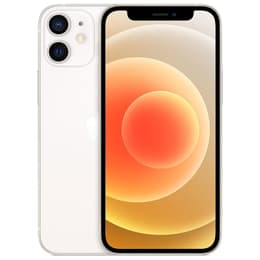
iPhone 12 mini
iPhone 12 mini
Starting at

Refurbished price:£126.00

Versus £579.00 new

See options

Ratings

The Samsung Galaxy S22 Ultra 5G (2022) and the Apple iPhone 12 Mini (2020) represent two polar opposite philosophies in the smartphone market. While the Galaxy S22 Ultra is a large-format device designed for maximum productivity and media consumption, the iPhone 12 Mini caters to users who value portability and one-handed usability above all else. These devices operate on different ecosystems, with the Samsung utilizing Android and the iPhone running iOS, each offering a distinct user interface and software experience.

The primary differentiators between these two models lie in their physical scale and their intended use cases. The Galaxy S22 Ultra features an integrated stylus and a massive display, whereas the iPhone 12 Mini is one of the smallest modern smartphones available. This comparison explores how these fundamental design choices impact daily performance, longevity, and overall utility for different types of users.

Scores

Durability

When evaluating how long these devices will remain functional and relevant, both manufacturers offer robust software support timelines that extend several years beyond the initial release date.

  • Software Longevity: The Galaxy S22 Ultra was released in 2022 with a commitment to four generations of operating system updates, meaning it remains current for a significant period. The iPhone 12 Mini, despite being older, benefits from Apple's historically long support cycles, typically receiving updates for six to seven years from its launch.
  • Physical Durability and Repair: The Galaxy S22 Ultra uses toughened glass on both sides and a reinforced frame, though its curved screen can be more vulnerable to impact. The iPhone 12 Mini features a flat-edge design and a ceramic-infused front cover for drop protection. Choosing a quality-assured refurbished option can extend the lifecycle of these high-performance devices while ensuring they meet original functional standards.
  • Battery Health: Over time, the smaller battery in the iPhone 12 Mini may show signs of wear sooner than the much larger cell in the Galaxy S22 Ultra, simply because it requires more frequent charging cycles to maintain a full day of use.

Year of Release

2022

2020

Compatible with latest Update

Yes

Yes

OS

Android

iOS

Foldable

No

No

Performance

Performance on these devices is handled by high-end internal components that ensure smooth operation for everyday tasks, though they excel in different areas of productivity.

  • System Responsiveness: The Galaxy S22 Ultra is built for heavy multitasking, allowing users to run multiple apps in split-screen mode or use the integrated stylus for precise input. The iPhone 12 Mini provides a very fluid experience for standard apps and navigation, though its smaller screen and less memory make it less suited for intensive multitasking.
  • Battery Endurance: In real-world usage, the Galaxy S22 Ultra typically lasts through a full day of heavy use, including video streaming and navigation. The iPhone 12 Mini has a much smaller capacity, which means moderate to heavy users will likely need to find a charger by the early evening.
  • Storage Capacity: Users with large media libraries will find more flexibility with the Galaxy S22 Ultra, which offers options up to 1TB, while the iPhone 12 Mini tops out at 256GB, requiring more reliance on cloud storage for heavy users.

Memory (GB)

8 GB

4 GB

Screen quality

The viewing experience is perhaps the most significant point of contrast between these two smartphones, affecting everything from reading text to watching videos.

  • Display Technology: The Galaxy S22 Ultra features a 6.8-inch AMOLED display that offers deep blacks and very high brightness, making it easy to see even in direct sunlight. The iPhone 12 Mini uses a 5.4-inch OLED panel that provides excellent colour accuracy and sharpness but lacks the high refresh rate found on the Samsung.
  • Smoothness and Motion: The Samsung device includes a variable refresh rate that reaches 120Hz, resulting in smoother scrolling and animations compared to the standard 60Hz screen on the iPhone 12 Mini.
  • Usability and Size: The massive screen of the S22 Ultra is ideal for watching movies or editing documents, but it requires two hands for most tasks. Conversely, the iPhone 12 Mini is designed for effortless one-handed use, fitting easily into small pockets and hands.

Resolution

1440 x 3088

1080 x 2340

Screen type

Dynamic AMOLED 2X

Super Retina XDR OLED

Audiovisual

Both devices offer capable camera systems, but the Galaxy S22 Ultra provides a more versatile array of lenses for specialized photography needs.

  • Zoom and Versatility: The Galaxy S22 Ultra features a quad-camera setup, including two separate telephoto lenses that allow for clear photos at great distances. The iPhone 12 Mini has a dual-camera system that performs well for standard and wide-angle shots but lacks any dedicated hardware for optical zooming.
  • Image Processing: Samsung's processing tends to produce vibrant, punchy colours that are ready for social media, while Apple's approach with the iPhone 12 Mini focuses on more natural tones and consistent exposure across different lighting conditions.
  • Video and Audio: Both phones record high-quality video with effective stabilization. The Galaxy S22 Ultra offers more advanced manual controls for video, while the iPhone 12 Mini is often praised for its simplicity and the high quality of its microphone for recording clear voice notes and calls.

Main camera

108 megapixels

12 megapixels

Front camera

40 megapixels

12 megapixels

Miscellaneous

Beyond the core specifications, several practical features define the daily handling and connectivity of these two smartphones.

  • Biometrics and Security: The Galaxy S22 Ultra uses an ultrasonic fingerprint sensor hidden under the display, which works even if fingers are slightly damp. The iPhone 12 Mini relies on facial recognition technology, which is fast and secure but requires the user to look directly at the device.
  • Physical Handling: There is a substantial weight difference; the Galaxy S22 Ultra is a heavy device at 228 grams, which can lead to hand fatigue during long sessions. The iPhone 12 Mini is exceptionally light at 135 grams, making it almost unnoticeable in a pocket.
  • Connectivity and Ports: Both devices support 5G for fast mobile data. The Samsung uses a standard USB-C port for charging and data transfer, while the iPhone 12 Mini uses the proprietary Lightning port and supports magnetic accessories for wireless charging and attachments.

Weight

228 g

135 g

Screen size (in)

6.8

5.4

Mobile network

5G

5G

SIM card

Physical SIM + eSIM

Physical SIM + eSIM

Carrier compatibility

Unlocked

Unlocked

Connector

USB-C

Lightning

The choice between the Galaxy S22 Ultra 5G and the iPhone 12 Mini ultimately depends on the user's physical preferences and functional requirements. According to user discussions on various tech forums, the Galaxy S22 Ultra is frequently praised for its expansive, bright display and the utility of the S Pen, though some users find its large size cumbersome for daily carry. The iPhone 12 Mini receives significant appreciation for its compact form factor, with many users noting it is one of the few modern phones that can be used comfortably with one hand, though its shorter battery life is a common point of concern for those away from power outlets for long periods.

Users who prioritize media consumption, mobile gaming, or professional productivity tasks will likely find the Galaxy S22 Ultra better suited to their needs. On the other hand, users who prefer a minimalist device that stays out of the way and handles essential communication tasks with ease will lean toward the iPhone 12 Mini. Opting for a sustainable choice through refurbishment allows users to access these high-end features while reducing electronic waste. Both devices remain highly capable in the current market, offering distinct paths toward a premium smartphone experience without a clear winner, as each serves a different lifestyle.
See all articles

Our recent comparisons