Samsung
Compare models
Differences at a glance
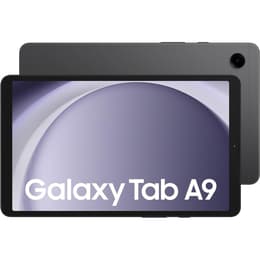
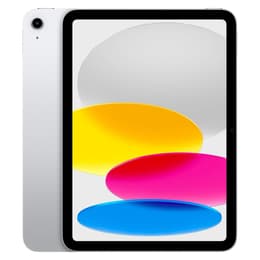
The Samsung Galaxy Tab A9, released in October 2023, and the Apple iPad (10th generation), launched in October 2022, are two distinct tablets designed for different user ecosystems. While the Galaxy Tab A9 operates on Android with Samsung's One UI, the iPad runs on Apple's iPadOS. These devices offer varying approaches to performance, display technology, and overall user experience, catering to a range of preferences for everyday tablet use.
Colour
Storage
When considering the long-term usability of these tablets, their release timelines and software support policies are key factors.
Year of Release
Compatible with latest Update
OS
The performance of a tablet is crucial for multitasking, app responsiveness, and overall user satisfaction, with both devices offering different capabilities.
The visual experience on a tablet is largely defined by its display, and these two models present different screen technologies and characteristics.
Resolution
Screen type
Pixel density
Tablets are increasingly used for photography and video calls, and the camera systems on these devices reflect their different priorities.
Beyond core features, several practical elements contribute to the overall utility and user experience of a tablet.
Weight
Width
Height
Depth
Screen size (in)
Network
Carrier compatibility
User feedback on the Samsung Galaxy Tab A9 often praises its compact size and solid performance for everyday tasks, especially considering its category. Many users appreciate the inclusion of expandable storage via microSD, which offers flexibility for media and files. Criticisms sometimes point to the lower resolution display and the absence of a fingerprint sensor. Some users also note that the 60Hz refresh rate can feel less fluid compared to devices with higher refresh rates. The battery life, while decent for its size, may require more frequent charging for heavy users.
For the iPad (10th generation), common praise highlights its vibrant display, robust performance for a wide range of applications, and the improved camera system, particularly the landscape-oriented front camera with Center Stage for video calls. The shift to USB-C is also a welcome change for many. However, some users express concerns about the display not being laminated, which can affect the visual experience, and the fact that it only supports the first-generation Apple Pencil, which requires an adapter for charging. The battery life, while generally good, has received mixed reviews from some heavy users.
Users prioritizing a highly portable, lightweight Android tablet for media consumption, browsing, and light productivity, with the benefit of expandable storage, may find the Galaxy Tab A9 well-suited to their needs. It is a practical choice for those who value a smaller form factor and the Android ecosystem. Conversely, users who prioritize a more powerful processor for demanding applications, a higher-resolution display, a more advanced camera system for photography and video calls, and the extensive app ecosystem of iPadOS, may lean toward the iPad (10th generation). Its larger screen and accessory support make it a versatile option for both entertainment and more intensive tasks.
Both tablets offer reliable performance within their respective ecosystems, and considering a quality-assured refurbished option for either device can be a sustainable choice for consumers.