Galaxy Tab S8+ (12.4", 2022) Vs Galaxy Tab S9 (11.0", 2023)

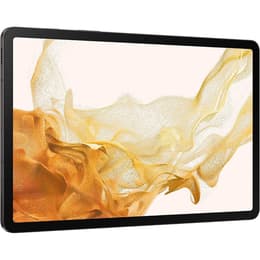
Galaxy Tab S8+ (12.4", 2022)
Starting at

Refurbished price:£323.36

Versus £999.00 new

See options
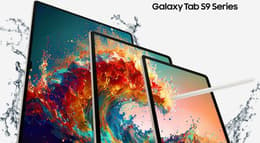
Galaxy Tab S9 (11.0", 2023)
Starting at

Refurbished price:£370.00

Versus £1,060.32 new

See options

Ratings

The Samsung Galaxy Tab S8 Plus, released in 2022, and the Galaxy Tab S9, launched in 2023, are premium Android tablets designed for a range of uses from productivity to entertainment. While both offer a robust tablet experience with S Pen support, they differ primarily in screen size, processing power, and overall portability. Both devices run on the Android operating system, offering a consistent software experience with Samsung's One UI.

Scores

Durability

When considering the longevity of these tablets, several factors come into play, including their release dates and Samsung's software support policy. The newer Galaxy Tab S9 benefits from a later release, potentially extending its practical lifespan.

  • Release Timeline: The Galaxy Tab S8 Plus was introduced in early 2022, while the Galaxy Tab S9 followed in mid-2023. This means the Tab S9 is a year newer, offering a longer period of current-generation relevance.
  • OS Support Duration: Both the Galaxy Tab S8 Plus and the Galaxy Tab S9 are part of Samsung's premium tablet lineup, which typically receives four generations of Android OS upgrades and seven years of security updates from their respective release dates. [12, 24] The Tab S9, being newer, will therefore receive software support for a longer duration.
  • Expected Practical Lifespan: Users can anticipate several years of reliable performance and security updates from either device. The Tab S9 will maintain software compatibility and security patches for approximately one year longer than the Tab S8 Plus, making it a slightly more future-proof option for those prioritizing extended software support.

Year of Release

2022

2023

Compatible with latest Update

Yes

Yes

OS

Android

Android

Performance

Performance is a key differentiator, with the newer model featuring an updated internal architecture that impacts daily usage and demanding applications.

  • Processing Capabilities: The Galaxy Tab S9 incorporates a more recent generation of processor, which translates to enhanced speed and efficiency for demanding tasks such as advanced gaming, video editing, and heavy multitasking. The Galaxy Tab S8 Plus, while still capable, uses a previous generation processor that handles everyday applications smoothly but may show a difference in performance with the most intensive workloads. [2, 17]
  • System Responsiveness: Users of the Galaxy Tab S9 generally report a highly fluid and responsive experience across the operating system and applications, with quick app loading times and seamless transitions. [2] The Galaxy Tab S8 Plus also offers a responsive experience, though some users have noted occasional minor stutters in animations or when switching between multiple heavy applications. [7]
  • Battery Behavior: The Galaxy Tab S8 Plus features a larger battery capacity, which, combined with its processor, provides substantial usage time. However, some users have noted that its processor can be less power-efficient, leading to more frequent charging for heavy users. [8] The Galaxy Tab S9, despite having a smaller battery, benefits from a more power-efficient processor, often resulting in comparable or even extended battery life under typical usage conditions. [17]

Memory (GB)

8 GB

8 GB

Processor

Qualcomm SM8450 Snapdragon 8 Gen 1

Qualcomm SM8550-AC Snapdragon 8 Gen 2

Screen quality

The visual experience on both tablets is a highlight, though there are distinctions in size and display technology that cater to different preferences.

  • Display Technology and Size: The Galaxy Tab S8 Plus features a 12.4-inch Super AMOLED display, offering a larger canvas for content consumption and productivity. [1, 3, 9] The Galaxy Tab S9 comes with an 11-inch Dynamic AMOLED 2X display, providing a more compact form factor. [6, 13, 21] Both technologies deliver deep blacks and vibrant colors, characteristic of OLED panels.
  • Resolution and Clarity: The Tab S8 Plus offers a resolution of 2800 x 1752 pixels, while the Tab S9 has a resolution of 2560 x 1600 pixels. [3, 6] Both provide sharp and clear visuals, suitable for detailed work and high-definition media. The pixel density is similar, ensuring crisp text and images on both screens.
  • Refresh Rate and Brightness: Both tablets feature a 120Hz refresh rate, contributing to smooth scrolling and fluid animations. [3, 6] The Galaxy Tab S9's Dynamic AMOLED 2X display may offer slightly improved brightness levels and outdoor visibility compared to the Super AMOLED panel on the Tab S8 Plus, enhancing the viewing experience in varied lighting conditions.

Resolution

1752 x 2800

1600 x 2560

Screen type

Super AMOLED

Dynamic AMOLED 2X

Pixel density

270ppp

280ppp

Audiovisual

While tablets are not typically primary photography devices, both models offer capable camera systems for video calls, document scanning, and casual photography.

  • Rear Camera System: The Galaxy Tab S8 Plus includes a dual-camera setup on the rear, featuring a 13-megapixel main sensor and a 6-megapixel ultra-wide lens. [3, 5] The Galaxy Tab S9 has a single 13-megapixel rear camera. [6, 13] Both are suitable for capturing documents, quick photos, and augmented reality applications.
  • Front Camera Performance: Both tablets are equipped with a 12-megapixel ultra-wide front-facing camera. [3, 6] This allows for wider group video calls and improved clarity for online meetings. Users can expect clear video and decent still images from the front cameras on both devices.
  • Video Recording and Audio: Both tablets support 4K video recording at 30 frames per second with their main cameras. [3] For audio, both feature quad stereo speakers tuned by AKG with Dolby Atmos support, providing an immersive sound experience for media consumption. [3, 6] Microphone quality is generally good for calls and voice recordings on both models.

Miscellaneous

Beyond core specifications, several practical elements contribute to the overall user experience and differentiate these two tablets.

  • Connectivity and Ports: Both tablets support modern connectivity standards, including Wi-Fi 6E for fast wireless internet and Bluetooth (5.2 on S8 Plus, 5.3 on S9) for accessories. [1, 3, 6] They both feature a USB Type-C 3.2 port for charging and data transfer. Optional 5G connectivity is available for both models, offering mobile internet access. [3, 5]
  • Physical Design and Handling: The Galaxy Tab S8 Plus, with its 12.4-inch screen, is larger and weighs 567 grams, making it better suited for a stationary desk setup or two-handed use. [3, 5] The Galaxy Tab S9, at 11 inches and 498 grams, is more compact and lighter, enhancing its portability and ease of single-handed use. [6, 21] Both are constructed with an aluminum frame and glass front, offering a premium feel.
  • S Pen and Security: Both tablets come with an S Pen included, providing a versatile tool for note-taking, drawing, and navigation. [3] For security, both devices feature an under-display fingerprint sensor for convenient and secure unlocking. [3, 23]

Weight

567 g

129 g

Screen size (in)

12.4

11.0

Network

Wi-Fi + 5G

Wi-Fi

Carrier compatibility

Unlocked

Unlocked

Connector

USB Type-C

USB Type-C

User feedback indicates that both the Galaxy Tab S8 Plus and the Galaxy Tab S9 are highly regarded for their premium build and versatile functionality. The Tab S8 Plus is frequently praised for its expansive and vibrant display, making it a strong choice for media consumption and tasks where a larger screen is beneficial. [15, 16] Some users, however, have noted that its battery life can be a concern under heavy usage, particularly due to the efficiency of its processor. [8]

The Galaxy Tab S9 receives commendation for its enhanced processing power, leading to a smoother and faster experience across applications and gaming. [2, 17] Its more compact size also makes it a preferred option for those seeking greater portability. While generally well-received, some users have reported minor software quirks or S Pen accuracy issues in specific scenarios. [14]

Users prioritizing a larger display for immersive viewing and multitasking may find the Galaxy Tab S8 Plus well-suited to their needs. Conversely, those who value the latest performance, improved power efficiency, and a more portable form factor might lean towards the Galaxy Tab S9. Both tablets offer a robust Android experience, and choosing between them often comes down to individual preferences regarding screen size and the importance of having the most current internal components. For those looking for an eco-friendly alternative, quality-assured refurbished options for both models are available, providing a sustainable choice without compromising on performance.
See all articles

Our recent comparisons