
Compare models
Galaxy S26 Ultra Vs Google Pixel 10
- 1-year minimum warranty
- Free delivery on all items
- Free 30-day returns
Differences at a glance
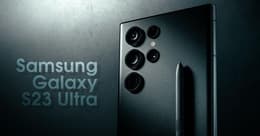
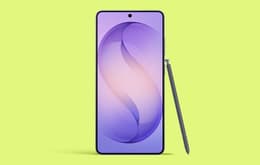
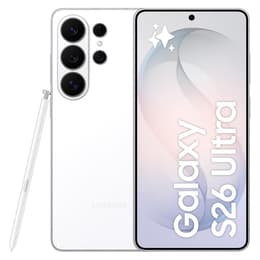
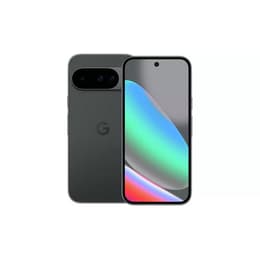
The Samsung Galaxy S26 Ultra (2026) and the Google Pixel 10 (2025) represent two different approaches to premium smartphone design within the modern Android ecosystem. While the Galaxy S26 Ultra offers a sprawling screen and built-in stylus utility, the Google Pixel 10 focuses on a compact physical footprint backed by deeply integrated software features. Both devices run on Android, but they tailor the user experience through distinct interfaces and manufacturer toolsets. Choosing between them depends largely on how physical scale and workflow priorities align with daily habits.
Available Models
Colour
Storage (GB)
Scores
Durability
Both smartphones provide robust long-term utility, though they differ slightly in launch timing and support duration expectations.
- Software support timeline: The Google Pixel 10 benefits from an extended software update commitment spanning many years, while the Galaxy S26 Ultra matches this with long-range security and platform updates typical of current flagship tier standards.
- Build longevity and repair: Both devices incorporate dust and water resistance alongside tough outer glass, supporting sustained everyday use. Choosing a quality-assured refurbished option provides a sustainable choice that extends device life cycles without sacrificing modern performance standards.
- Expected lifespan: High-capacity internal storage configurations and powerful hardware ensure both models maintain system responsiveness over several years of continuous ownership.
Year of Release
2026
2025
Performance
System responsiveness and speed remain exceptionally high on both handsets, ensuring seamless multitasking and swift application transitions.
- Multitasking capacity: Generous RAM allocations allow both devices to keep numerous demanding applications open simultaneously without requiring frequent reloads.
- Battery behavior: The Galaxy S26 Ultra features a large power cell tailored for prolonged heavy workflows, whereas the Google Pixel 10 balances a slightly smaller footprint with optimized power efficiency to span a full day of mixed use.
- App loading and gaming: Both devices load heavy games and intensive software smoothly, handling graphical tasks with strong thermal management and consistent frame rates.
Screen quality
Display properties differ significantly in scale and layout, offering distinct viewing experiences for media consumers and mobile professionals.
- Screen dimensions: The Galaxy S26 Ultra provides an expansive viewing canvas well-suited for document editing and split-screen multitasking, while the Google Pixel 10 offers a more compact panel that improves one-handed reach.
- Visual clarity and refresh rates: Both models utilize advanced OLED panel technology featuring high refresh rates, resulting in fluid scrolling and sharp text rendering.
- Outdoor visibility: High peak brightness levels on both screens ensure clear legibility and accurate color reproduction even under direct sunlight.
Audiovisual
Imaging capabilities on both devices handle everyday snapshots and detailed recording with high fidelity through distinct hardware arrays.
- Lens configurations: The Galaxy S26 Ultra incorporates a versatile quad-camera array featuring high-resolution telephoto options for distant subjects, while the Google Pixel 10 utilizes a streamlined triple-camera system backed by advanced computational photography.
- Low-light performance: Both handsets capture clean, detailed images in dim environments by combining large sensor light intake with automated image processing.
- Video and audio recording: Video capture remains steady and clear across both models, supported by reliable internal microphones that isolate voice input effectively during calls and video messages.
Miscellaneous
Practical physical and connectivity traits define how each phone integrates into daily routines and peripheral ecosystems.
- Connectivity standards: Both devices support modern 5G networks, fast Wi-Fi protocols, and near-field communication for secure contactless transactions.
- Physical dimensions: The Galaxy S26 Ultra has a larger, heavier chassis designed to accommodate its wide display and built-in utility features, whereas the Google Pixel 10 offers a lighter, narrower build that rests easily in smaller pockets.
- Authentication and ports: Each model relies on responsive under-display fingerprint sensors for security and utilizes standard reversible charging ports.
Screen size (in)
6.9
6.3
Mobile network
5G
5G
SIM card
Dual Physical SIM + eSIM
Physical SIM + eSIM
Carrier compatibility
Unlocked
Unlocked
Connector
USB-C
USB-C
What the community thinks
User feedback highlights distinct preferences for each device depending on physical and functional priorities. Owners of the Galaxy S26 Ultra frequently praise its expansive workspace, detailed long-range zoom capabilities, and expansive screen estate. Conversely, Google Pixel 10 users often highlight the comfortable physical dimensions, clean interface layout, and reliable everyday snapshot processing as major daily benefits. Common discussions note that the larger size of the Samsung model can feel cumbersome for one-handed navigation, while some users observe that the Pixel's storage configurations offer less room for massive media libraries.
Users prioritizing maximum screen space and versatile telephoto framing will find the Galaxy S26 Ultra well-suited to their needs, while users prioritizing a compact form factor and streamlined daily software integration may prefer the Google Pixel 10. Reviewing a quality-assured refurbished option provides a sustainable choice that supports environmental goals without compromising on modern smartphone capabilities. Final selection relies entirely on matching personal handling preferences and daily workflow requirements with each device's core design focus.