Galaxy S22+ 5G Vs iPhone 17

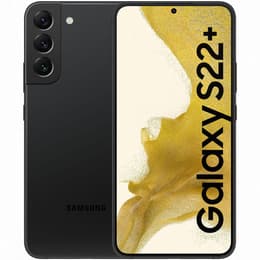
Galaxy S22+ 5G
Galaxy S22+ 5G
Starting at

Refurbished price:£167.00

Versus £1,174.01 new

See options
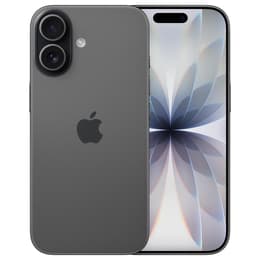
iPhone 17
iPhone 17
Starting at

Refurbished price:£688.00

Versus £799.00 new

See options

Ratings

The Samsung Galaxy S22 Plus 5G, released in February 2022, and the iPhone 17, launched in September 2025, represent different generations of flagship smartphones from their respective manufacturers. While both devices offer premium experiences, the iPhone 17 benefits from more recent technological advancements, particularly in its internal components and software longevity, whereas the Galaxy S22 Plus 5G provides a robust Android ecosystem experience. The primary distinction lies in their operating systems, with the Galaxy S22 Plus running Android and the iPhone 17 operating on iOS.

Scores

Durability

The expected practical lifespan of these devices is influenced by their release timelines and the manufacturers' software support policies.

  • Release Timeline: The Galaxy S22 Plus 5G was released in early 2022, making it a device from a few years ago, while the iPhone 17 is a much newer model, having launched in late 2025. This age difference inherently means the iPhone 17 will receive software and security updates for a longer period.
  • Software Support: The Galaxy S22 Plus 5G was promised four years of Android OS updates and five years of security patches from its release, meaning its major OS updates concluded around early 2026, with security updates continuing until early 2027. In contrast, Apple typically provides major iOS updates for iPhones for approximately five to seven years, with security patches often extending even longer. The iPhone 17 is expected to receive updates until around 2037, offering a significantly extended software lifespan. [3, 5, 8, 10, 14, 26, 39, 42, 43]
  • Repairability: Both devices feature modern smartphone constructions that can make user-level repairs challenging. However, the availability of parts and professional repair services tends to remain robust for several years post-release for both brands.

Year of Release

2022

2025

Compatible with latest Update

Yes

Yes

OS

Android

iOS

Foldable

No

No

Performance

Performance capabilities differ between these two devices, primarily due to the generational gap in their underlying hardware and software optimization.

  • Processor Capabilities: The Galaxy S22 Plus 5G is powered by a processor from early 2022, which handles everyday tasks, demanding applications, and multitasking smoothly. However, some users have reported heating and performance throttling during extended heavy gaming sessions. [28, 29] The iPhone 17, featuring a newer generation processor, offers enhanced speed and efficiency, resulting in a highly responsive user experience and robust performance for intensive applications and gaming without significant thermal issues. [30, 44]
  • Battery Behavior: The Galaxy S22 Plus 5G, equipped with a 4500 mAh battery, generally provides a full day of use for most users, though heavy usage, especially with 5G connectivity, can lead to more frequent charging. [1, 2, 19, 21, 24] The iPhone 17 also offers reliable all-day battery life, with user reports indicating consistent performance even with active use, and benefits from improved thermal management that can contribute to sustained battery efficiency. [30, 33, 44]
  • Storage Options: Both devices offer various internal storage configurations, typically starting from 128GB, to accommodate user data and applications. Neither model supports expandable storage via a microSD card.

Memory (GB)

8 GB

8 GB

Screen quality

Both smartphones offer high-quality displays, but the newer iPhone 17 incorporates advancements that enhance the viewing experience.

  • Display Technology and Clarity: The Galaxy S22 Plus 5G features a 6.6-inch Dynamic AMOLED 2X display with a Full HD+ resolution (1080 x 2340 pixels), delivering vibrant colors, deep blacks, and clear visuals. [2, 13, 20, 23, 37, 41] The iPhone 17 comes with a 6.3-inch OLED display, also known for its deep blacks and vibrant color reproduction, with a resolution that provides sharp image quality. [18, 30]
  • Brightness and Refresh Rate: The Galaxy S22 Plus 5G boasts an impressive peak brightness of 1750 nits, ensuring excellent visibility even in bright outdoor conditions. It also features an adaptive 120Hz refresh rate for smooth scrolling and responsiveness. [2, 23, 37, 41] The iPhone 17 also offers a 120Hz ProMotion refresh rate across all models, providing fluid animations and scrolling. Its display is also designed for good outdoor visibility. [11, 18, 30]
  • Durability: The Galaxy S22 Plus 5G is protected by Corning Gorilla Glass Victus+. [20] The iPhone 17 features Ceramic Shield 2, which offers enhanced scratch resistance. [18]

Resolution

1080 x 2340

2622x1206

Screen type

Dynamic AMOLED 2X

Super Retina XDR

Audiovisual

Both devices are equipped with capable camera systems designed to capture high-quality photos and videos in various conditions.

  • Rear Camera System: The Galaxy S22 Plus 5G features a versatile triple-camera setup, including a 50-megapixel main sensor, a 12-megapixel ultrawide lens, and a 10-megapixel telephoto lens with 3x optical zoom. It performs well in various lighting, with improvements in low-light photography compared to its predecessor. [1, 2, 13, 27, 31, 34, 36] The iPhone 17's base model includes a dual-lens camera system with two 48-megapixel lenses, offering detailed images and good video quality. [18, 30]
  • Photography Performance: The Galaxy S22 Plus 5G generally produces detailed and dynamic shots, though some users have noted occasional issues with color accuracy and processing of human faces. [2, 27, 28] The iPhone 17 is praised for its video recording capabilities and overall image clarity, with users finding selfies to be natural. [30]
  • Video Recording: The Galaxy S22 Plus 5G can record video at up to 8K resolution at 24 frames per second. [2] The iPhone 17 also offers high-quality video recording, a consistent strong point for Apple devices.

Main camera

50 megapixels

48 megapixels

Front camera

10 megapixels

18 megapixels

Miscellaneous

Beyond core performance and display, several practical elements differentiate these two smartphones in daily use.

  • Connectivity: Both devices support 5G cellular networks, ensuring fast mobile data speeds. The Galaxy S22 Plus 5G supports Wi-Fi 6E in some regions, while the iPhone 17 is expected to feature Wi-Fi 7 technology, offering potentially faster and more stable wireless connections. [1, 6, 20, 34]
  • Ports and Biometrics: The Galaxy S22 Plus 5G uses a USB-C port for charging and data transfer and features an in-display fingerprint sensor for secure unlocking. [20] The iPhone 17 utilizes a Lightning port (or potentially USB-C in future iterations, though not confirmed for this model) and relies on Face ID for biometric authentication. [30] Neither device includes a traditional 3.5mm headphone jack.
  • Build Materials and Dimensions: The Galaxy S22 Plus 5G has a premium glass and metal construction with an IP68 rating for water and dust resistance, weighing 196g. [13, 20, 25, 28, 34] The iPhone 17 also features durable materials, including Ceramic Shield 2 for its display, and has a weight of 177g, making it slightly lighter. [9, 18]

Weight

195 g

177 g

Screen size (in)

6.6

6.3

Mobile network

5G

5G

SIM card

Physical SIM + eSIM

Physical SIM + eSIM

Carrier compatibility

Unlocked

Unlocked

Connector

USB-C

USB-C

The Samsung Galaxy S22 Plus 5G and the iPhone 17 cater to users with distinct preferences and priorities. User feedback for the Galaxy S22 Plus 5G often highlights its excellent display, robust build quality, and capable camera system, though some users have noted that battery life can be inconsistent with heavy use and that the device can experience heating during demanding tasks. The software update cycle for the S22 Plus 5G is nearing its end for major OS upgrades, which is a consideration for users prioritizing long-term software support. [28, 29, 32, 35]

For the iPhone 17, users appreciate the inclusion of a 120Hz display on the base model, its strong performance for gaming and demanding applications, and its reliable battery life. The camera system is well-regarded, particularly for video, and improvements in thermal management are a positive point. Some users, however, find the overall generational improvements to be incremental for typical daily use compared to slightly older iPhone Pro models. [30, 33, 40, 44]

Users prioritizing a device with the longest possible software support and the latest advancements in mobile processing and display technology will find the iPhone 17 well-suited to their needs. Its newer release date and Apple's extended update policy provide a longer runway for new features and security patches. Conversely, users who prefer the Android ecosystem, appreciate a high-brightness display, and are comfortable with a device that has a shorter remaining major software update window may lean towards the Galaxy S22 Plus 5G. Both devices offer a premium smartphone experience, and choosing between them often comes down to operating system preference and the importance of having the absolute latest hardware. Considering a quality-assured refurbished option for either model can be an eco-friendly alternative for those looking to make an informed choice.

See all articles

Our recent comparisons