
Smartphones
Compare models
Differences at a glance
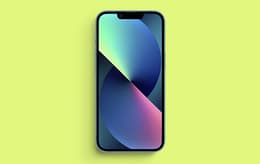
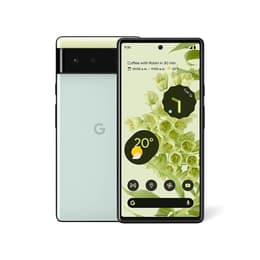
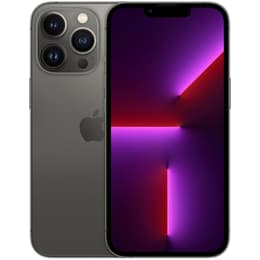
The Google Pixel 6 and the iPhone 13 Pro, both released in late 2021, represent two distinct visions of the modern smartphone experience. While they arrived on the market at the same time, they cater to different user preferences through their unique operating systems and hardware philosophies. The Google Pixel 6 serves as a showcase for a highly integrated Android experience, while the iPhone 13 Pro offers the refined, high-performance ecosystem typical of iOS devices.
Choosing between these two models often comes down to a preference for software features versus hardware versatility. The Pixel 6 focuses on helpful software tools and a distinct visual identity, whereas the iPhone 13 Pro prioritises fluid performance and a comprehensive camera system. Both devices remain relevant for users seeking reliable daily performance and modern connectivity in a mobile device.
Colour
Storage
Both the Google Pixel 6 and the iPhone 13 Pro were designed with longevity in mind, though their paths to long-term usability differ based on manufacturer support cycles and build materials.
Year of Release
Compatible with latest Update
OS
Foldable
In everyday use, both smartphones provide a responsive experience, though they manage system resources and power consumption in different ways to suit their respective software environments.
The viewing experience on these two devices is defined by high-quality OLED technology, yet they offer different physical dimensions and motion characteristics.
Resolution
Screen type
Photography and video recording are central to both devices, with the iPhone 13 Pro offering more hardware versatility and the Pixel 6 focusing on automated image processing.
Main camera
Front camera
Beyond the core specifications, several practical hardware differences influence how these phones feel and function in a user's daily routine.
Weight
Screen size (in)
Mobile network
SIM card
Carrier compatibility
Connector
In summary, the Google Pixel 6 and iPhone 13 Pro offer distinct strengths that cater to different user priorities. According to user discussions on various tech forums, the Pixel 6 is often celebrated for its helpful software features, such as its ability to erase unwanted objects from photos and its excellent voice-to-text capabilities. However, some users have noted that its fingerprint sensor can be less responsive than those on other devices. The iPhone 13 Pro receives consistent praise for its exceptional battery efficiency and the smoothness of its 120Hz display, though some users find the screen notch at the top of the display to be a minor distraction during media playback.
Users who prioritise a larger screen, a highly customisable interface, and helpful AI-driven tools may find the Google Pixel 6 to be the better fit for their needs. Conversely, those who value a more compact design, professional-level video recording, and a long-term commitment to software updates will likely lean toward the iPhone 13 Pro. For those looking to make a sustainable choice, selecting a quality-assured refurbished option for either of these models is an eco-friendly alternative that extends the life of existing technology. Ultimately, both smartphones remain powerful, capable devices that provide a high-quality experience several years after their initial launch.