
Galaxy Z Fold4 Vs Google Pixel Fold

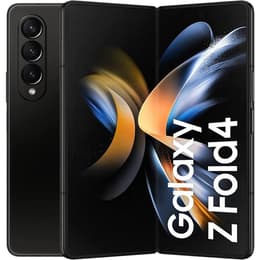
Galaxy Z Fold4
Galaxy Z Fold4
Starting at

Refurbished price:£352.00

Versus £1,889.00 new

See options
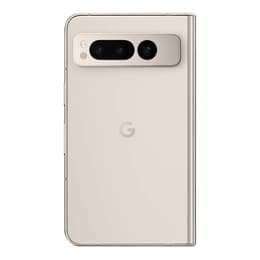
Google Pixel Fold
Google Pixel Fold
Starting at

Refurbished price:£371.00

Versus £1,499.00 new

See options

Ratings

The Samsung Galaxy Z Fold4, released in August 2022, and the Google Pixel Fold, launched in June 2023, represent distinct approaches to the foldable smartphone concept. Both devices offer a large, expandable internal display alongside a functional external screen, aiming to blend tablet-like productivity with smartphone portability. The primary differentiators lie in their design philosophies, particularly concerning their folded form factor and hinge mechanisms, as well as their respective camera systems and software experiences. Both operate on the Android platform, offering a wide range of applications and customization.

Scores

Durability

The longevity of a foldable device is influenced by its physical construction and software support. The Galaxy Z Fold4 and Pixel Fold offer different timelines for updates and varying design elements impacting their practical lifespan.

  • Software Support: The Galaxy Z Fold4 is expected to receive Android OS upgrades up to Android 16 and security updates until 2027, offering a solid period of software relevance from its August 2022 release. The Google Pixel Fold, released in June 2023, is anticipated to receive five major Android OS upgrades, extending its software support further into the future, potentially up to Android 18.
  • Physical Durability: Both devices feature IPX8 water resistance, providing protection against submersion. The Galaxy Z Fold4 utilizes Gorilla Glass Victus+ on its cover screen, while the Pixel Fold uses Gorilla Glass Victus. The Z Fold4 introduced a redesigned hinge for a more compact form, but some users have reported issues with hinge adhesive and screen delamination over time. The Pixel Fold features a custom-built, fluid friction hinge designed to allow the device to fold completely flat, which Google states is made from durable stainless steel.
  • Repairability: The Pixel Fold received a repairability score of 6.5 out of 10, indicating that while self-repairs can be challenging, they are not impossible. Later Pixel Fold models have shown improvements in modular design for easier repairs.

Year of Release

2022

2023

Compatible with latest Update

Yes

Yes

OS

Android

Android

Foldable

Yes

Yes

Performance

The performance of these foldable smartphones is driven by their internal components, impacting everything from app loading to multitasking and battery endurance. Both devices are equipped with capable processors and ample memory to handle demanding tasks.

  • Processing Power: The Galaxy Z Fold4 is powered by a processor known for its strong performance in demanding applications and gaming, offering efficient operation. The Pixel Fold features a processor designed by Google, which focuses on optimizing the Android experience and enhancing AI-driven features, providing smooth daily usage and efficient handling of complex tasks.
  • Multitasking and Storage: Both devices come with 12GB of RAM, enabling effective multitasking and smooth transitions between applications. For internal storage, the Galaxy Z Fold4 offers options up to 1TB, providing extensive space for files and applications, while the Pixel Fold is available with up to 512GB of storage.
  • Battery Behavior: The Galaxy Z Fold4 houses a 4400 mAh battery, with user experiences regarding battery life varying, some finding it sufficient for a full day of moderate use, while others report more frequent charging for heavy usage. The Pixel Fold includes a larger 4821 mAh battery, which generally contributes to longer usage times for many users.

Memory (GB)

12 GB

12 GB

Screen quality

The display experience is central to foldable smartphones, and both the Galaxy Z Fold4 and Pixel Fold offer high-quality screens with distinct characteristics for their internal and external panels.

  • Main Internal Display: The Galaxy Z Fold4 features a 7.6-inch Dynamic AMOLED 2X display with a resolution of 2176 x 1812 pixels, offering vibrant colors and deep blacks. The Pixel Fold also has a 7.6-inch OLED main display, with a resolution of 1840 x 2208 pixels, providing a clear and immersive viewing experience. Both support a 120Hz refresh rate for smooth scrolling and responsiveness.
  • External Cover Display: The Galaxy Z Fold4's cover screen is a 6.2-inch Dynamic AMOLED 2X panel with a 904 x 2316 pixel resolution, characterized by a taller and narrower aspect ratio. The Pixel Fold's cover display is a 5.8-inch OLED with a 1080 x 2092 pixel resolution, featuring a wider and shorter aspect ratio that resembles a more traditional smartphone when folded. Both external displays also offer a 120Hz refresh rate.
  • Fold and Crease: The Pixel Fold's hinge design allows it to fold completely flat, which can result in a less noticeable crease on the internal display compared to the Galaxy Z Fold4, which has a slight gap when closed.

Resolution

1812 x 2176

1840 x 2208

Screen type

Foldable Dynamic AMOLED 2X

Foldable OLED

Audiovisual

The camera systems on both foldable devices are designed to capture a range of photos and videos, with each offering a distinct approach to imaging capabilities.

  • Rear Camera Systems: The Galaxy Z Fold4 is equipped with a triple rear camera setup, including a 50 MP wide-angle lens, a 12 MP ultrawide lens, and a 10 MP telephoto lens with 3x optical zoom. It supports video recording up to 8K resolution. The Pixel Fold also features a triple rear camera array, comprising a 48 MP wide lens, a 10.8 MP ultrawide lens, and a 10.8 MP telephoto lens capable of 5x optical zoom.
  • Front and Internal Cameras: For selfies and video calls, the Galaxy Z Fold4 has a 10 MP camera on its cover display and a 4 MP under-display camera on the main screen. The Pixel Fold offers a 9.5 MP cover camera and an 8 MP internal camera.
  • Imaging Performance: The Pixel Fold's camera system has generally received praise for its image quality and computational photography capabilities. Some users of the Galaxy Z Fold4 have noted occasional shutter lag, particularly with moving subjects.

Main camera

50 megapixels

48 megapixels

Front camera

4 megapixels

8 megapixels

Miscellaneous

Beyond core specifications, several practical elements contribute to the overall user experience of these foldable devices, including their physical design, connectivity, and additional features.

  • Dimensions and Handling: When folded, the Galaxy Z Fold4 measures 155.1 x 67.1 x 14.2-15.8 mm and weighs 263 g, presenting a taller and narrower profile. The Pixel Fold, when folded, is 139.7 x 79.5 x 12.1 mm and weighs 283 g, offering a wider and shorter form factor that some find more comfortable for one-handed use. When unfolded, the Z Fold4 is 155.1 x 130.1 x 6.3 mm, while the Pixel Fold is 139.7 x 158.7 x 5.8 mm, making the Pixel Fold slightly thinner.
  • Connectivity and Ports: Both devices support 5G connectivity for fast mobile data. The Galaxy Z Fold4 includes Wi-Fi 6E and Bluetooth v5.2, with a USB Type-C 3.2 Gen 1 port. The Pixel Fold features Wi-Fi 6 and Bluetooth 5.2, along with a USB Type-C 3.2 Gen 2 port.
  • Biometric Security: Both foldables incorporate modern biometric security features, with the Galaxy Z Fold4 offering a side-mounted fingerprint sensor and the Pixel Fold also featuring a side-mounted fingerprint sensor.

Weight

263 g

283 g

Screen size (in)

7.6

7.6

Mobile network

5G

5G

SIM card

Dual Physical SIM + eSIM

Physical SIM + eSIM

Carrier compatibility

Unlocked

Unlocked

The Samsung Galaxy Z Fold4 and Google Pixel Fold each present compelling options within the foldable smartphone market, catering to different user preferences. The Galaxy Z Fold4 is often praised for its robust productivity features and a more established ecosystem of foldable-optimized applications. However, some users have expressed concerns regarding its battery life and the long-term durability of its internal screen and hinge mechanism.

The Google Pixel Fold, on the other hand, is frequently lauded for its exceptional camera performance and a design that offers a more traditional smartphone feel when folded, thanks to its wider cover screen and flat-folding hinge. Criticisms have sometimes focused on its overall weight and the prominent bezels around its internal display.

Users prioritizing a device with a longer software update commitment and a wider, more conventional external display experience may find the Google Pixel Fold better suited to their needs. Conversely, those who value a slightly lighter device with a proven track record in the foldable space and extensive storage options might lean towards the Samsung Galaxy Z Fold4. For consumers considering either of these advanced devices, exploring quality-assured refurbished options can provide an eco-friendly alternative.

See all articles

Our recent comparisons