
Smartphones
Compare models
Differences at a glance
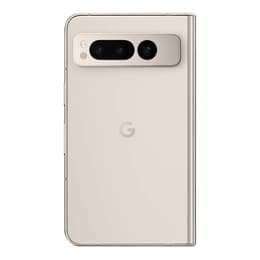
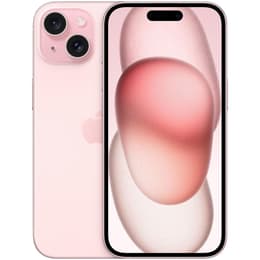
The Google Pixel Fold and the iPhone 15, both released in 2023, represent two distinct philosophies in the modern smartphone market. The Pixel Fold is Google's first foray into the foldable category, offering a device that transforms from a standard phone into a small tablet, while the iPhone 15 remains a refined example of the classic, high-performance slab design. These devices cater to different user needs, with the Pixel Fold focusing on expansive screen real estate and the iPhone 15 prioritising portability and a streamlined user experience.
Operating on different platforms—Android for the Pixel and iOS for the iPhone—each device provides a unique software environment. The Pixel Fold offers a flexible interface designed for multitasking, whereas the iPhone 15 provides a consistent and intuitive ecosystem that integrates seamlessly with other Apple services. Understanding the practical differences between these two models is essential for choosing the device that best fits your daily routine and professional requirements.
Colour
Storage
When considering the longevity of these devices, the differences in their physical construction and software support cycles play a significant role in their expected lifespan. While both were released in 2023, their paths to long-term durability diverge based on their form factors and manufacturer commitments.
Year of Release
Compatible with latest Update
OS
Foldable
Performance on these devices is tailored to their specific use cases, with one focusing on heavy multitasking and the other on consistent, efficient daily operation. Choosing an eco-friendly alternative like a quality-assured refurbished option ensures these high-performance internals are put to good use for longer while supporting sustainable technology habits.
The display technology is perhaps the most significant differentiator between these two models, as it dictates how users interact with their media, documents, and applications on a daily basis.
Resolution
Screen type
Photography and video capabilities are central to both devices, though they approach image capture with different hardware configurations and software processing styles to suit various user preferences.
Main camera
Front camera
Practical elements such as physical dimensions, weight, and connectivity options are crucial for understanding how these devices feel in the hand and how they fit into a modern digital lifestyle.
Weight
Screen size (in)
Mobile network
SIM card
Carrier compatibility
User consensus from various technology forums suggests that the Google Pixel Fold is highly regarded for its unique "passport" shape, which many find more comfortable to hold when closed than other folding phones. Enthusiasts appreciate the ability to transition from a phone to a tablet, though some note the device's weight and the prominent borders around the inner screen as minor drawbacks. Conversely, the iPhone 15 is praised for being a reliable and polished smartphone that "just works." Users frequently highlight its lightweight design and the convenience of the new USB-C port, though some power users mention the lack of a high refresh rate screen as a point of comparison.
Users who prioritise a large, versatile workspace for multitasking, reading, or media consumption in a portable form factor may find the Google Pixel Fold better suited to their needs. Those who prefer a lightweight, durable, and straightforward device with long-term software support will likely lean toward the iPhone 15. Choosing a sustainable choice like a quality-assured refurbished option for either model is an excellent way to access these technologies while reducing environmental impact. Ultimately, the decision depends on whether you value the innovative flexibility of a folding display or the refined, consistent performance of a traditional smartphone design.