iPhones
Compare models
Differences at a glance
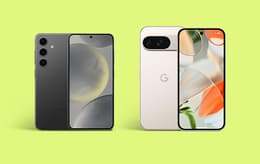
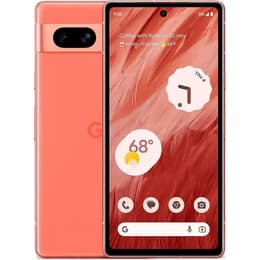
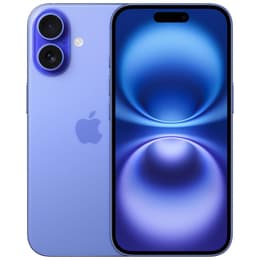
The Google Pixel 7a, released in May 2023, and the iPhone 16, launched in September 2025, represent different approaches to smartphone design and user experience. While both offer capable performance and camera systems, they cater to distinct preferences, primarily due to their operating systems – Android for the Pixel and iOS for the iPhone – and their respective release timelines. The iPhone 16, being a more recent release, naturally incorporates newer hardware and extended software support, setting it apart from the Pixel 7a.
Colour
Storage
The practical lifespan and software support differ significantly between these two devices, largely due to their release dates.
Year of Release
Compatible with latest Update
Foldable
When evaluating performance, the difference in release dates and underlying hardware architectures plays a crucial role in how each device handles tasks.
The visual experience on both smartphones is delivered through high-quality displays, though with some key distinctions.
Resolution
Screen type
Both devices offer advanced camera systems, each with its own strengths in capturing photos and videos.
Main camera
Front camera
Beyond core performance and display, several practical features differentiate the user experience of these smartphones.
Weight
Screen size (in)
Mobile network
SIM card
Carrier compatibility
The Google Pixel 7a and iPhone 16 offer distinct experiences tailored to different user priorities. Users often praise the Pixel 7a for its exceptional camera capabilities, particularly its computational photography, and its clean Android interface. Some users, however, note its slightly older processor and the 90Hz display, which, while smooth, isn't the highest refresh rate available. The iPhone 16, being a more recent release, is frequently lauded for its robust performance, extended software support, and seamless integration within the Apple ecosystem. Its enhanced durability features and advanced video capabilities are also strong points. Some users might find the standard 60Hz refresh rate on the iPhone 16 less fluid compared to devices with higher refresh rates.
Users prioritizing a pure Android experience with strong computational photography and a slightly higher display refresh rate may find the Pixel 7a well-suited to their needs. Conversely, those who value long-term software support, powerful and efficient performance, a highly integrated ecosystem, and advanced video recording features will likely lean towards the iPhone 16. Both devices represent solid choices, and considering a quality-assured refurbished option for either can be a sustainable choice for consumers.