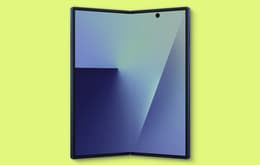
Galaxy Z Flip5 Vs iPhone 12 mini

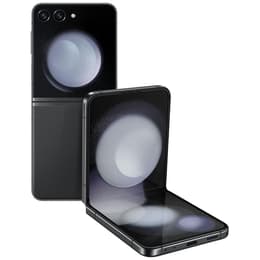
Galaxy Z Flip5
Galaxy Z Flip5
Starting at

Refurbished price:£266.76

Versus £1,145.61 new

See options
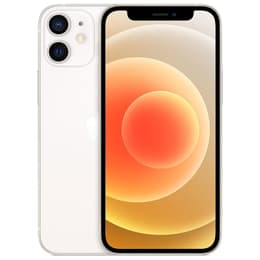
iPhone 12 mini
iPhone 12 mini
Starting at

Refurbished price:£126.00

Versus £579.00 new

See options

Ratings

The Samsung Galaxy Z Flip5 (2023) and the Apple iPhone 12 Mini (2020) represent two distinct philosophies in the world of portable smartphones. While the Galaxy Z Flip5 uses a folding mechanism to provide a large-screen experience in a pocketable form factor, the iPhone 12 Mini relies on a traditional, scaled-down design to offer true one-handed usability. These devices operate on Android and iOS respectively, providing different software ecosystems for users. Choosing between them involves weighing the innovation of a foldable display against the simplicity of a classic, compact smartphone design.

Scores

Durability

The Galaxy Z Flip5 and iPhone 12 Mini differ significantly in their physical construction and software support timelines, which impacts their long-term utility. Choosing a quality-assured refurbished option can extend the lifecycle of these electronics while supporting a circular economy.

  • Software Longevity: The Galaxy Z Flip5, being a 2023 release, is scheduled to receive four major Android operating system updates and five years of security patches, ensuring it remains current until 2028. The iPhone 12 Mini, released in 2020, typically follows Apple's pattern of six to seven years of support, meaning it may reach its final major update around 2026 or 2027.
  • Physical Resilience: The iPhone 12 Mini features a traditional glass-and-metal slab design with Ceramic Shield protection, which is generally more resistant to dust and debris. In contrast, the Galaxy Z Flip5 includes a complex hinge mechanism and a flexible internal screen; while highly engineered for durability, it requires more careful handling than a standard non-folding device.
  • Repairability: Standard smartphones like the iPhone 12 Mini are often more straightforward to service for common issues like battery replacements. The Galaxy Z Flip5's intricate folding internal components and dual-battery system make repairs more specialised, though Samsung has improved the modularity of its recent foldable generations.

Year of Release

2023

2020

Compatible with latest Update

Yes

Yes

OS

Android

iOS

Foldable

Yes

No

Performance

Performance on these devices is tailored to different usage patterns, with the newer Galaxy Z Flip5 offering more modern internal hardware compared to the older iPhone 12 Mini.

  • System Fluidity: The Galaxy Z Flip5 handles demanding multitasking and modern applications with ease, benefiting from a higher amount of system memory that allows more apps to stay open in the background. The iPhone 12 Mini remains responsive for daily tasks like browsing and messaging, though users may notice more frequent app reloading when switching between several heavy programmes.
  • Battery Endurance: Real-world usage shows that the Galaxy Z Flip5 generally lasts longer on a single charge due to its larger battery capacity and more efficient internal components. The iPhone 12 Mini, constrained by its very small physical size, often requires a mid-day top-up for heavy users who frequently use GPS or video streaming.
  • Storage Capacity: The Galaxy Z Flip5 starts with a higher base storage of 256GB, which is ideal for users who store many high-resolution videos and photos locally. The iPhone 12 Mini was available in smaller configurations starting at 64GB, which may require more frequent use of cloud storage for active media creators.

Memory (GB)

8 GB

4 GB

Screen quality

The display experience is perhaps the most dramatic difference between these two smartphones, affecting everything from media consumption to outdoor readability.

  • Display Versatility: The Galaxy Z Flip5 features a massive 6.7-inch internal display that folds in half, plus a 3.4-inch external cover screen for quick interactions without opening the device. The iPhone 12 Mini offers a single, fixed 5.4-inch display that is much smaller, making it easier to reach every corner with a thumb but providing less screen real estate for reading or watching videos.
  • Visual Smoothness: The internal screen of the Galaxy Z Flip5 supports a 120Hz refresh rate, meaning the image updates 120 times per second for incredibly smooth scrolling and animations. The iPhone 12 Mini uses a standard 60Hz refresh rate, which is clear and sharp but lacks the fluid motion found on the newer Samsung model.
  • Outdoor Visibility: Samsung's foldable display is designed to reach very high brightness levels, making it easier to see under direct sunlight. While the iPhone 12 Mini's OLED screen provides excellent contrast and vibrant colours, it does not get quite as bright as the Flip5 in challenging outdoor lighting conditions.

Resolution

1080 x 2640

1080 x 2340

Screen type

Foldable Dynamic AMOLED 2X

Super Retina XDR OLED

Audiovisual

Both devices utilise dual-camera systems to capture high-quality images, but they offer different functional advantages for photography and video.

  • Photography Flexibility: The Galaxy Z Flip5 excels in creative framing thanks to its folding design, which allows it to act as its own tripod in "Flex Mode" for hands-free selfies or long-exposure shots. The iPhone 12 Mini provides a more traditional photography experience, known for its natural colour processing and consistent performance across both its wide and ultra-wide lenses.
  • Video Capabilities: Both smartphones support 4K video recording with effective stabilisation, ensuring smooth footage even while walking. The iPhone 12 Mini is often praised by users for its seamless transitions between lenses during recording, while the Galaxy Z Flip5 offers unique video angles by partially folding the screen during capture.
  • Audio Quality: Each device features stereo speakers that provide a clear and balanced sound for media consumption. The Galaxy Z Flip5's larger frame allows for slightly more resonance, whereas the iPhone 12 Mini delivers surprisingly loud and crisp audio for such a compact chassis, making both suitable for calls and casual listening.

Main camera

12 megapixels

12 megapixels

Front camera

10 megapixels

12 megapixels

Miscellaneous

Practical features like connectivity and physical handling play a significant role in the daily user experience of these two smartphones.

  • Connectivity and Ports: Both devices support 5G networks for fast mobile data and include NFC for contactless payments. The Galaxy Z Flip5 uses a universal USB-C port for charging and data transfer, while the iPhone 12 Mini uses Apple's proprietary Lightning connector, which may require different cables if you are moving from an Android ecosystem.
  • Security and Access: The iPhone 12 Mini uses Face ID, which scans the user's face for secure unlocking and authentication. The Galaxy Z Flip5 features a capacitive fingerprint sensor built into the power button on the side, providing a quick way to unlock the device even when it is folded shut.
  • Portability and Ergonomics: The iPhone 12 Mini is one of the lightest and smallest 5G phones ever made, weighing only 135 grams and fitting easily into any pocket. The Galaxy Z Flip5 is heavier at 187 grams and is thicker when folded, but it offers the unique benefit of protecting its main screen inside the clamshell when not in use.

Weight

187 g

135 g

Screen size (in)

6.7 /3.4

5.4

Mobile network

5G

5G

SIM card

Physical SIM + eSIM

Physical SIM + eSIM

Carrier compatibility

Unlocked

Unlocked

In summary, the choice between the Galaxy Z Flip5 and the iPhone 12 Mini depends largely on whether a user prioritises modern folding technology or classic compact ergonomics. Based on community discussions and user feedback, the iPhone 12 Mini is frequently praised for its unmatched portability and ease of one-handed use, though its battery life is a common point of criticism for power users. Conversely, the Galaxy Z Flip5 is celebrated for its innovative cover screen and the "cool factor" of its folding design, while some users express caution regarding the long-term durability of the screen crease over several years of use.

Users who prioritise a large, immersive screen for media and multitasking, but still want a device that fits in small pockets, will find the Galaxy Z Flip5 well-suited to their needs. Those who prefer a lightweight, traditional smartphone that is easy to operate with one hand and fits into the iOS ecosystem may lean toward the iPhone 12 Mini. For those looking to reduce their environmental impact, selecting a sustainable choice through refurbishment is a practical way to acquire either device. Ultimately, both smartphones offer high-quality experiences in small packages, serving different types of mobile lifestyles without compromise on core features.

See all articles

Our recent comparisons