Compare models

Google Pixel 8 Vs iPhone Air

  • 1-year minimum warranty
  • Free delivery on all items
  • Free 30-day returns
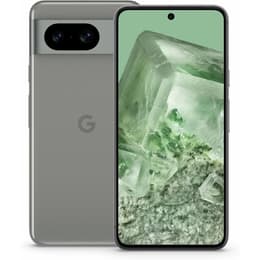
Google Pixel 8
Starting at

Refurbished price:£194.00

Versus £856.87 new

See options
iPhone Air
Starting at

Refurbished price:£613.00

Versus £1,099.00 new

See options

Differences at a glance

The Google Pixel 8 (2023) and the Apple iPhone Air (2025) are distinctive smartphones that cater to contrasting user preferences regarding form factor, software, and everyday operation. While the Pixel 8 focuses on compact ergonomics and integrated software assistance, the iPhone Air prioritizes an ultra-slim profile and a larger viewing area. Operating on Android and iOS respectively, these devices deliver very different user experiences right out of the box.

Available Models

Colour

Storage

Scores

Durability

Both devices are built to withstand daily wear and tear, though they approach long-term utility through different hardware lifespans and software support frameworks.

  • Software Support: The Google Pixel 8 features an extended seven-year update commitment, while the iPhone Air benefits from Apple's traditionally long software maintenance cycles.
  • Build and Materials: The Pixel 8 utilizes durable glass panels paired with a sturdy metal frame, whereas the iPhone Air employs a rigid titanium frame reinforced with thin ceramic glass layers.
  • Repairability: Both models maintain standard water and dust resistance ratings, ensuring structural resilience against accidental exposure to the elements.

Year of Release

2023

2025

Compatible with latest Update

Yes

Yes

OS

Android

iOS

Foldable

No

No

Performance

Handling daily tasks, demanding applications, and multitasking requires robust internal architecture, which both smartphones achieve through distinct hardware implementations.

  • Multitasking and App Switching: The Google Pixel 8 manages everyday workflows with ample memory, while the iPhone Air utilizes high-bandwidth memory configuration to support smooth background app management.
  • System Responsiveness: Both devices load heavy applications swiftly, though the iPhone Air provides additional processing headroom for graphic-intensive mobile gaming and rendering tasks.
  • Battery Behavior: The Pixel 8's compact form factor requires moderate daily charging habits for heavy users, while the iPhone Air balances its ultra-thin chassis with power-efficient component design.

Screen quality

Visual output and display responsiveness vary significantly between the two models, offering distinct advantages for media consumption and navigation.

  • Display Technology: The Google Pixel 8 features a compact OLED panel with deep contrast levels, while the iPhone Air offers a larger Super Retina XDR OLED screen with high pixel density.
  • Refresh Rate: Both phones support a smooth refresh rate of up to 120Hz, ensuring fluid scrolling through web pages and system menus.
  • Outdoor Visibility: High peak brightness levels on both displays allow for clear outdoor legibility even under direct sunlight.

Resolution

1080 x 2400

2736x1260

Screen type

OLED

Super Retina XDR

Audiovisual

Multimedia capture capabilities reflect each manufacturer's approach to computational photography and audio-visual recording.

  • Camera Systems: The Google Pixel 8 employs a dual rear camera setup featuring dedicated ultra-wide capabilities, whereas the iPhone Air relies on a streamlined single high-resolution lens system.
  • Low-Light and Video: Both devices deliver clear low-light photographs and steady video recording, supported by advanced stabilization and processing features.
  • Audio Output: Built-in stereo and mono speaker configurations provide adequate sound clarity for casual media viewing and hands-free calls.

Main camera

50 megapixels

48 megapixels

Front camera

10.5 megapixels

18 megapixels

Miscellaneous

Physical dimensions and connectivity standards define how easily each device integrates into daily travel and accessory ecosystems.

  • Handling and Portability: The Pixel 8 offers a traditional, compact pocket-friendly footprint, whereas the iPhone Air introduces a breakthrough minimalist thickness that reduces overall weight.
  • Connectivity: Both models support modern 5G networks, fast Wi-Fi standards, and Bluetooth pairing for seamless accessory connection.
  • Ports and Biometrics: The Pixel 8 uses a standard USB-C port alongside facial recognition and fingerprint scanning, while the iPhone Air relies on USB-C connectivity paired with advanced facial security.

Weight

187 g

165 g

Screen size (in)

6,2

6.5

Mobile network

5G

5G

SIM card

Physical SIM + eSIM

eSIM

Carrier compatibility

Unlocked

Unlocked

Connector

USB-C

USB-C

What the community thinks

User feedback from online communities highlights distinct preferences for each smartphone. Pixel 8 owners frequently praise the intuitive software ecosystem, comfortable one-handed ergonomics, and reliable long-term update schedule. Conversely, users discussing the iPhone Air often emphasize appreciation for its exceptionally lightweight chassis, expansive screen estate, and responsive interface performance. For those seeking an eco-friendly, quality-assured option, choosing a refurbished device provides a sustainable path to owning either model.

Users prioritizing a compact grip, traditional dual-camera flexibility, and extensive software lifespans may prefer the Google Pixel 8. Meanwhile, users prioritizing a larger viewing area, cutting-edge slim aesthetics, and powerful processing headroom may lean toward the iPhone Air. Selecting the right device ultimately depends on whether day-to-day utility hinges on traditional ergonomics or breakthrough physical lightness.