
Google Pixel 8 Vs Sony Xperia 1 IV

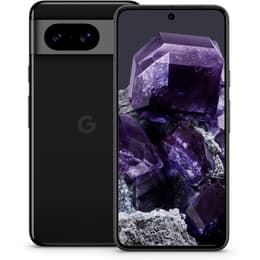
Google Pixel 8
Google Pixel 8
Starting at

Refurbished price:£189.00

Versus £699.99 new

See options
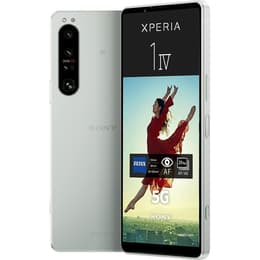
Sony Xperia 1 IV
Sony Xperia 1 IV
Starting at

Refurbished price:£346.00

Versus £1,500.00 new

See options

Ratings

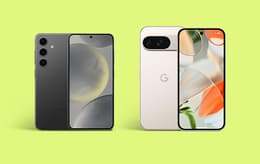
The Google Pixel 8 (released October 2023) and the Sony Xperia 1 IV (released May 2022) are both Android smartphones, yet they cater to different user priorities. While the Pixel 8 emphasizes advanced computational photography and long-term software support, the Xperia 1 IV focuses on a high-resolution display and extensive manual camera controls for multimedia enthusiasts. Both devices run on the Android operating system, offering distinct user experiences tailored by their respective manufacturers.

Scores

Durability

When considering the long-term usability of these devices, their release timelines and software support policies are key differentiators.

  • Software Longevity: The Google Pixel 8 offers an industry-leading commitment of seven years of OS upgrades, security updates, and Feature Drops, extending its software support until October 2030. This provides a significantly longer period of up-to-date software and security features. In contrast, the Sony Xperia 1 IV typically receives fewer major Android OS updates, with users often expecting around two major OS upgrades and three years of security updates from its 2022 release.
  • Physical Durability: Both smartphones feature an IP68 rating for water and dust resistance, indicating a high level of protection against environmental elements. The Pixel 8 uses Corning Gorilla Glass Victus on its back, while the Xperia 1 IV also incorporates Gorilla Glass Victus for both its front display and back panel, offering robust scratch and impact resistance.
  • Expected Lifespan: The Pixel 8's extended software support suggests a longer practical lifespan for users who prioritize having the latest Android features and security patches. The Xperia 1 IV, while physically durable, may see its software experience age more rapidly due to a shorter update cycle.

Year of Release

2023

2022

Compatible with latest Update

Yes

No

OS

Android

Android

Foldable

No

No

Performance

The performance of a smartphone is crucial for daily tasks, app responsiveness, and demanding applications, with both devices offering capable hardware but with different characteristics.

  • Processing Power: The Google Pixel 8 is equipped with a current-generation processor designed by Google, which focuses on optimizing artificial intelligence tasks and enhancing image processing capabilities, leading to smooth app loading and efficient multitasking. The Sony Xperia 1 IV features a powerful processor from its release year, providing robust performance for most applications, though some users have noted it can become warm during extended demanding tasks like video recording.
  • Multitasking and Storage: The Pixel 8 typically comes with 8GB of RAM, which is sufficient for managing multiple applications simultaneously and ensuring a responsive user experience. The Xperia 1 IV offers a more generous 12GB of RAM, providing additional headroom for intensive multitasking and professional-grade applications. Both devices offer various internal storage options, with the Xperia 1 IV uniquely providing expandable storage via a microSD card, allowing users to significantly increase their storage capacity.
  • Battery Behavior: The Pixel 8 houses a 4575 mAh battery, and while it generally provides a full day of mixed usage, heavy users might find themselves needing to recharge before the day ends, particularly when relying on mobile data. The Xperia 1 IV features a larger 5000 mAh battery; however, its high-resolution display and processor can lead to faster battery drain, with some users reporting that it may not consistently last a full day under heavy use.

Memory (GB)

8 GB

12 GB

Screen quality

The display is a primary interface for smartphone interaction, and both the Pixel 8 and Xperia 1 IV offer distinct visual experiences.

  • Display Technology and Resolution: The Google Pixel 8 features a 6.2-inch OLED display with a Full HD+ resolution (2400x1080 pixels), providing clear and vibrant visuals for everyday use. The Sony Xperia 1 IV stands out with a larger 6.5-inch OLED display that boasts a 4K HDR resolution (3840x1644 pixels) and a unique 21:9 aspect ratio, offering an exceptionally sharp and cinematic viewing experience, particularly for high-resolution content.
  • Brightness and Smoothness: The Pixel 8's display offers a peak brightness of up to 2000 nits, ensuring good visibility even in bright outdoor conditions. It also features a smooth 60-120Hz adaptive refresh rate, which adjusts based on content to provide fluid scrolling and responsiveness. The Xperia 1 IV also supports a 120Hz refresh rate for smooth visuals, and while its brightness was improved over predecessors, it may not reach the same peak levels as the Pixel 8.
  • Viewing Experience: The Pixel 8's display is well-suited for general media consumption and daily tasks, offering a balanced visual experience. The Xperia 1 IV's 4K resolution and 21:9 aspect ratio are particularly beneficial for users who consume a lot of cinematic content or require high pixel density for detailed work, though this can impact battery consumption.

Resolution

1080 x 2400

1644 x 3840

Screen type

OLED

OLED

Audiovisual

Both smartphones offer advanced camera systems, but they approach photography and videography with different philosophies and strengths.

  • Rear Camera Systems: The Google Pixel 8 features a dual-camera setup with a 50MP main sensor and a 12MP ultrawide lens. It is renowned for its computational photography, which leverages software to produce consistently high-quality images, especially in challenging lighting conditions. The Sony Xperia 1 IV comes with a versatile triple 12MP camera system, including a main, ultrawide, and a unique variable telephoto lens offering 3.5x to 5x optical zoom. Sony emphasizes manual controls and features derived from its Alpha camera line, appealing to users who prefer more control over their shots.
  • Low-Light and Video Performance: The Pixel 8 excels in low-light photography with its Night Sight capabilities, and it has seen improvements in low-light video recording, including features like Night Sight Timelapse. The Xperia 1 IV also offers strong video capabilities, including 4K HDR video recording at 120 frames per second across all its rear lenses, making it a strong contender for videographers.
  • Front Camera and Audio: The Pixel 8 includes a 10.5MP front-facing camera suitable for selfies and video calls. The Xperia 1 IV features a 12MP front camera, capable of 4K HDR video selfies. For audio, the Xperia 1 IV is notable for retaining a 3.5mm headphone jack and offering front-facing stereo speakers, which can enhance the media consumption experience.

Main camera

50 megapixels

12 megapixels

Front camera

10.5 megapixels

12 megapixels

Miscellaneous

Beyond core features, several practical elements contribute to the overall user experience and daily utility of these devices.

  • Connectivity and Ports: The Google Pixel 8 supports the latest Wi-Fi 7 standard, along with Bluetooth 5.3 and NFC, ensuring fast and efficient wireless connections. It features a USB Type-C 3.2 port for charging and data transfer. The Sony Xperia 1 IV supports Wi-Fi 6/6E, Bluetooth 5.2, and NFC. A notable inclusion on the Xperia 1 IV is a 3.5mm headphone jack, a feature less common in modern flagship smartphones, alongside its USB Type-C port.
  • Biometrics and Design: The Pixel 8 incorporates an optical in-screen fingerprint sensor for secure unlocking. Its dimensions are 150.5 x 70.8 x 8.9 mm, weighing 187g, offering a compact and comfortable feel. The Xperia 1 IV features a side-mounted fingerprint sensor integrated into the power button. With dimensions of 165 x 71 x 8.2 mm and a weight of 185g, it is taller and slightly thinner than the Pixel 8, maintaining a sleek profile.
  • Build Materials: Both devices utilize glass backs and aluminum frames, contributing to a premium feel and robust construction.

Weight

187 g

185 g

Screen size (in)

6.2

6,5

Mobile network

5G

5G

SIM card

Physical SIM + eSIM

Physical SIM + eSIM

Carrier compatibility

Unlocked

Unlocked

User sentiment for the Google Pixel 8 often highlights its exceptional camera performance, particularly its ability to produce high-quality photos with minimal effort, and its long-term software support commitment. Some users, however, have expressed concerns regarding its battery life, especially under heavy mobile data usage. The Sony Xperia 1 IV is frequently praised by users for its unique 4K display, offering an immersive viewing experience, and its comprehensive manual camera controls that appeal to photography and videography enthusiasts. Criticisms often revolve around its battery performance, which can be inconsistent despite a large capacity, and its tendency to warm up during intensive tasks.

Users prioritizing a streamlined software experience, consistent computational photography, and extended software longevity may find the Google Pixel 8 to be a suitable choice. Its compact form factor and bright display also make it a strong contender for everyday use. Conversely, individuals who value a high-resolution cinematic display, extensive manual camera controls, and the inclusion of a 3.5mm headphone jack for a dedicated multimedia experience might lean towards the Sony Xperia 1 IV. Its expandable storage also offers flexibility for content creators. Both devices represent quality-assured refurbished options, providing an eco-friendly alternative for consumers seeking reliable technology.

See all articles

Our recent comparisons