
Compare models
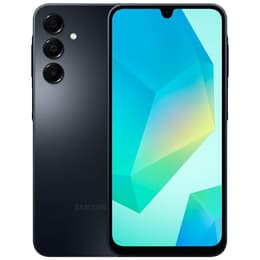
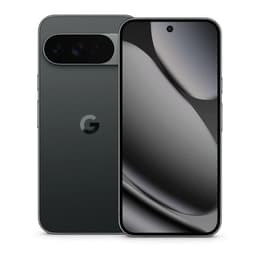
Galaxy A16 Vs Google Pixel 10 Pro XL
- 1-year minimum warranty
- Free delivery on all items
- Free 30-day returns
Differences at a glance
The Samsung Galaxy A16 (2024) and the Google Pixel 10 Pro XL (2025) represent entirely different tiers of the smartphone market, catering to distinct user expectations and daily usage demands. While both devices run on the Android operating system and deliver reliable everyday connectivity, they diverge significantly in hardware sophistication, software experiences, and overall design philosophy.
Available Models
Colour
Storage (GB)
Scores
Durability
When examining hardware durability and software longevity, both smartphones are built to remain functional for several years, though they approach support lifecycles and physical resilience differently.
- Software longevity: The Galaxy A16 features an extended update commitment providing up to six years of operating system and security patches, matching the multi-year support window offered on the Google Pixel 10 Pro XL.
- Build resilience: The Google Pixel 10 Pro XL incorporates high-grade glass panels and robust dust and water resistance ratings, whereas the Galaxy A16 relies on a lighter plastic-backed construction with basic splash protection.
- Expected lifespan: Both devices offer solid long-term usability, though users seeking a quality-assured refurbished option often find these durable models retain strong functionality over extended periods.
Year of Release
2024
2025
Performance
Underneath the surface, these two smartphones handle multitasking, app loading, and daily system navigation through contrasting hardware configurations designed for different workloads.
- System responsiveness: The Google Pixel 10 Pro XL handles demanding applications, intensive multitasking, and advanced processing tasks smoothly, while the Galaxy A16 manages everyday messaging, web browsing, and casual apps reliably.
- Memory capacity: The Google Pixel 10 Pro XL comes equipped with ample high-speed RAM to keep numerous background processes active, whereas the Galaxy A16 utilizes smaller memory configurations suited for standard day-to-day use.
- Battery behavior: Both devices incorporate large battery capacities that easily navigate a full day of typical use, though charging speeds vary with the Google Pixel 10 Pro XL supporting faster wired power replenishment.
Screen quality
Visual output and screen interactions differ notably, reflecting the distinct market positioning of each device.
- Display technology: The Google Pixel 10 Pro XL features an advanced organic light-emitting diode panel with high-refresh capabilities for exceptional visual fluidity, while the Galaxy A16 utilizes a bright Super AMOLED display with a smooth 90Hz refresh rate.
- Outdoor legibility: Peak brightness levels on the Google Pixel 10 Pro XL ensure clear visibility under direct sunlight, whereas the Galaxy A16 provides adequate viewing clarity for everyday outdoor conditions.
- Viewing space: The Google Pixel 10 Pro XL offers a slightly larger screen footprint with high pixel density for detailed media consumption, compared to the expansive viewing area found on the Galaxy A16.
Audiovisual
Photography and multimedia audio capabilities highlight a major hardware divergence between these two smartphone options.
- Camera systems: The Google Pixel 10 Pro XL deploys a versatile triple-lens setup including dedicated telephoto and high-resolution ultrawide sensors, while the Galaxy A16 features a simpler main and ultrawide configuration for standard snapshots.
- Challenging lighting: Advanced image processing on the Google Pixel 10 Pro XL delivers detailed low-light photography, whereas the Galaxy A16 captures satisfactory daylight images for casual sharing.
- Audio output: Stereo speakers on the Google Pixel 10 Pro XL provide an immersive media consumption experience, while the single speaker setup on the Galaxy A16 handles routine calls and casual video viewing adequately.
Miscellaneous
Practical everyday features, physical handling, and connectivity standards define the physical interaction you can expect from each device.
- Physical handling: The Galaxy A16 features a lightweight profile that rests comfortably in one hand, while the heavier build of the Google Pixel 10 Pro XL accommodates its larger battery and premium glass materials.
- Biometric security: Both models integrate secure authentication methods, utilizing fingerprint sensors embedded directly into the hardware design.
- Connectivity options: Modern wireless standards, including 5G connectivity and advanced Bluetooth protocols, are fully supported across both smartphones to ensure reliable accessory pairing.
Screen size (in)
6.7
6.8
Mobile network
4G
5G
SIM card
Dual Physical SIM
Physical SIM + eSIM
Carrier compatibility
Unlocked
Unlocked
Connector
USB-C
USB-C
What the community thinks
User feedback from online communities highlights distinct praise points for both devices. Owners of the Galaxy A16 frequently commend its reliable daily battery life, crisp display quality, and long-term software support window within an accessible category. Conversely, users of the Google Pixel 10 Pro XL frequently highlight its versatile camera system, premium display clarity, and responsive multitasking capabilities as major daily highlights. Some discussions note that the heavier physical build of the Google Pixel 10 Pro XL requires two-handed use, while the Galaxy A16 may exhibit slower loading times during heavy processing tasks.
Users prioritizing high-end photography, fluid screen refresh rates, and powerful processing will find the Google Pixel 10 Pro XL well-suited to their needs. On the other hand, users prioritizing everyday reliability, lightweight handling, and extended software commitments will lean toward the Galaxy A16. Exploring a quality-assured refurbished option through Back Market provides an eco-friendly alternative for acquiring either device while supporting sustainable technology choices. Ultimately, selecting the right smartphone depends on aligning individual daily usage requirements with each device's specific strengths.