
Compare models
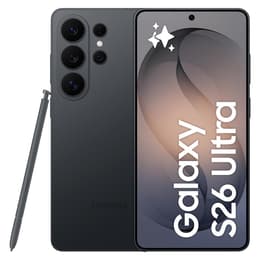
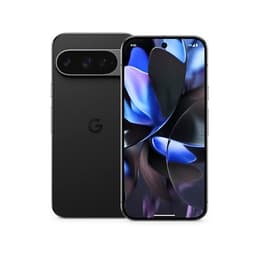
Galaxy S26 Ultra Vs Google Pixel 9 Pro
- 1-year minimum warranty
- Free delivery on all items
- Free 30-day returns
Differences at a glance
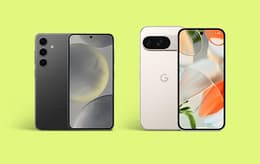
The Samsung Galaxy S26 Ultra (2026) and the Google Pixel 9 Pro (2024) represent high-end smartphone engineering from their respective release years. While both run on the Android operating system with deep manufacturer customizations, they approach everyday usability through different physical footprints and software ecosystems. Choosing between them depends largely on how you balance physical size, software interface preferences, and daily utility.
Available Models
Colour
Storage
Scores
Durability
Long-term usability differs across these devices based on their initial release timelines and software support policies.
- Software Support Window: Both manufacturers provide extensive multi-year operating system and security patch commitments, ensuring prolonged software longevity.
- Release Timeline: The Galaxy S26 Ultra benefits from a more recent release date, extending its active software lifecycle window compared to the Pixel 9 Pro.
- Repairability and Build Integrity: Both phones utilize reinforced glass and metal frames, though professional repair networks are well-established for both brands to handle common component replacements.
Year of Release
2026
2024
Compatible with latest Update
Yes
Yes
OS
Android
Android
Foldable
No
No
Performance
System responsiveness and everyday utility vary depending on hardware optimization and memory configuration.
- Multitasking and App Switching: Both devices handle heavy applications, rapid app switching, and demanding mobile games smoothly, supported by high-capacity memory configurations.
- Storage and Battery Behavior: Internal storage starts at generous capacities for both models, while battery performance comfortably sustains a full day of mixed usage under typical conditions.
- System Fluidity: Background resource management is tightly integrated, ensuring the user interface remains responsive during intensive daily workflows.
Screen quality
Display performance centers on sharp panel technologies designed for clarity, outdoor visibility, and smooth motion.
- Display Technology: Both models utilize advanced LTPO OLED panels that dynamically adjust refresh rates up to 120Hz for fluid scrolling and battery conservation.
- Resolution and Brightness: High pixel densities deliver sharp text reproduction, while peak brightness levels ensure outdoor visibility under direct sunlight.
- Form Factor Differences: The Galaxy S26 Ultra offers a larger viewing canvas suited for media consumption, whereas the Pixel 9 Pro provides a more compact footprint for single-handed navigation.
Resolution
1440 x 3120
1280 x 2856
Audiovisual
Imaging capabilities across both devices cater to versatile photography and video recording needs.
- Lens Versatility: Both feature multi-sensor rear camera systems including primary, ultra-wide, and dedicated telephoto options for flexible framing.
- Computational Processing: Advanced image processing software delivers balanced exposures, reliable low-light performance, and natural detail retention without excessive sharpening.
- Video and Audio: High-definition video stabilization and clear microphone arrays make both options dependable for capturing home videos and participating in virtual calls.
Front camera
12.0
42 megapixels
Miscellaneous
Physical handling and connectivity features shape the daily ergonomic experience of each device.
- Connectivity Standards: Both models support current-generation 5G networks, fast Wi-Fi standards, and Bluetooth pairing for modern accessories.
- Biometrics and Ports: Secure biometric authentication is handled via responsive under-display fingerprint sensors and facial recognition, utilizing reversible USB-C ports for charging and data transfer.
- Ergonomics and Weight: The Pixel 9 Pro offers a lighter, more pocket-friendly build, while the Galaxy S26 Ultra features a wider chassis that accommodates an integrated stylus for note-taking.
Weight
214 g
280 g
Screen size (in)
6.9
6.8
Mobile network
5G
5G
SIM card
Physical SIM + eSIM
Physical SIM + eSIM
Carrier compatibility
Unlocked
Unlocked
Connector
USB-C
USB-C
What the community thinks
User feedback from online communities highlights distinct preferences for each flagship device. Owners of the Galaxy S26 Ultra frequently praise its expansive display estate, integrated productivity tools, and powerful performance headroom. Conversely, Pixel 9 Pro users often emphasize appreciation for the clean software interface, reliable point-and-shoot photography, and comfortable, pocketable dimensions.
Users prioritizing a larger screen workspace, stylus utility, and extended hardware recency may prefer the Galaxy S26 Ultra. Meanwhile, users prioritizing a more compact physical form factor and streamlined software interactions will find the Google Pixel 9 Pro well-suited to their needs. Exploring a quality-assured refurbished option provides a sustainable choice for acquiring either of these capable devices while minimizing environmental impact.