Google Pixel 8a Vs Sony Xperia 1 IV

Google Pixel 8a
Google Pixel 8a
Starting at

Refurbished price:£214.00

Versus £467.97 new

See options
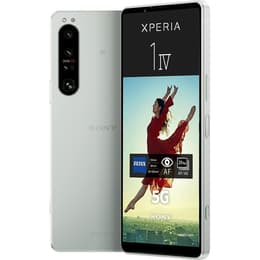
Sony Xperia 1 IV
Sony Xperia 1 IV
Starting at

Refurbished price:£346.00

Versus £1,500.00 new

See options

Ratings

The Google Pixel 8a, released in May 2024, and the Sony Xperia 1 IV, launched in May 2022, are distinct Android smartphones catering to different user priorities. While the Pixel 8a focuses on a streamlined user experience with extensive software support and advanced computational photography, the Xperia 1 IV emphasizes multimedia creation and consumption with its unique display and camera hardware. Both devices run on the Android operating system, offering a wide range of applications and customization.

Scores

Durability

The longevity of a smartphone is influenced by its release timeline, software support, and physical resilience.

  • Release Timeline and Age: The Google Pixel 8a is a more recent device, having been released in May 2024. The Sony Xperia 1 IV was launched earlier, in May 2022. This two-year difference in release dates impacts their respective support cycles.
  • OS Support Duration: The Pixel 8a offers an extended software commitment, promising seven years of operating system and security updates from its release. In contrast, the Sony Xperia 1 IV typically receives two major Android operating system upgrades and three years of security updates. This means the Pixel 8a will maintain current software features and security patches for a significantly longer period.
  • Physical Durability: The Pixel 8a features Gorilla Glass 3 for screen protection and carries an IP67 rating for dust and water resistance, allowing it to withstand submersion in up to 1 meter of water for 30 minutes. The Xperia 1 IV offers a slightly higher IP68 rating, providing protection against submersion in up to 1.5 meters of water for the same duration, and features a robust glass and metal construction.

Year of Release

2024

2022

Compatible with latest Update

Yes

No

OS

Android

Android

Foldable

No

No

Performance

Performance in daily use is shaped by the internal components and how they handle various tasks.

  • Everyday Responsiveness: The Pixel 8a, powered by its current-generation processor, delivers a smooth experience for common tasks like app launching, web browsing, and general navigation. Users report that apps open quickly and the system feels responsive. The Xperia 1 IV, with its flagship-grade processor from its release year, also provides a fluid user experience, handling multitasking and demanding applications effectively.
  • Multitasking and Demanding Apps: The Xperia 1 IV typically comes with 12GB of RAM, with some configurations offering 16GB, which supports extensive multitasking and resource-intensive applications. The Pixel 8a includes 8GB of RAM, which is sufficient for most users' multitasking needs, though it may show limitations with a very high number of concurrently active applications compared to devices with more memory.
  • Battery Behavior: The Pixel 8a is equipped with a 4500mAh battery, generally providing a full day of use for most users. The Xperia 1 IV features a larger 5000mAh battery, which also reliably lasts a full day, even with its high-resolution display. Both devices support wireless charging, and the Xperia 1 IV additionally offers reverse wireless charging.

Memory (GB)

8 GB

12 GB

Screen quality

The display is a primary interface for interaction, and both devices offer distinct visual experiences.

  • Display Technology and Resolution: The Pixel 8a features a 6.1-inch OLED display with a Full HD+ resolution, providing clear and vibrant visuals for everyday content. The Xperia 1 IV stands out with a 6.5-inch 4K OLED HDR display, offering a significantly higher resolution for exceptional detail, particularly noticeable when viewing high-resolution media.
  • Refresh Rate and Smoothness: Both smartphones offer a 120Hz refresh rate, contributing to smoother scrolling and more fluid animations during general use and gaming. The Xperia 1 IV also boasts a 240Hz touch sampling rate, which can lead to more immediate response to touch inputs.
  • Brightness and Viewing Experience: The Pixel 8a's display can reach a peak brightness of 2000 nits, ensuring good visibility even in bright outdoor conditions. The Xperia 1 IV's display is also noted for its brightness improvements over its predecessor, making it usable outdoors, though some users report it can still be challenging in direct sunlight compared to some other devices. The Xperia's 21:9 aspect ratio is designed for a cinematic viewing experience, especially for widescreen content.

Resolution

1080 x 2400

1644 x 3840

Screen type

OLED

OLED

Audiovisual

Camera capabilities are a significant factor for many users, with each device offering a different approach to photography and videography.

  • Rear Camera Systems: The Pixel 8a features a dual-camera setup with a 64MP main sensor and a 13MP ultrawide lens, relying heavily on computational photography for image enhancement. The Xperia 1 IV employs a versatile triple 12MP camera system, including a main, ultrawide, and a unique continuous optical zoom telephoto lens that can seamlessly zoom between 85mm and 125mm.
  • Photography Features and Quality: The Pixel 8a excels in producing natural-looking photos with accurate colors and strong low-light performance, benefiting from its AI-powered features like Night Sight and Magic Editor. The Xperia 1 IV, with its ZEISS optics and advanced manual controls, appeals to users who prefer a more traditional camera experience, offering detailed images and 20fps burst shooting with autofocus.
  • Video Recording and Audio: Both devices offer capable video recording. The Xperia 1 IV stands out with its ability to record 4K video at 120 frames per second across all three rear lenses, along with a 12MP front camera capable of 4K video, making it suitable for content creators. It also features front-firing stereo speakers and a 3.5mm headphone jack for enhanced audio. The Pixel 8a includes features like Audio Magic Eraser for improved video sound.

Main camera

64 megapixels

12 megapixels

Front camera

13 megapixels

12 megapixels

Miscellaneous

Beyond core features, several practical elements contribute to the overall user experience.

  • Connectivity and Ports: Both devices support 5G connectivity and modern Wi-Fi standards. The Pixel 8a uses a USB-C port for charging and data transfer. The Xperia 1 IV also features a USB-C port but uniquely retains a 3.5mm headphone jack, a feature less common in contemporary smartphones, and offers expandable storage via microSDXC card up to 1TB.
  • Biometric Security: The Pixel 8a offers both an under-display fingerprint sensor and face unlock for secure access. The Xperia 1 IV utilizes a side-mounted fingerprint scanner integrated into the power button.
  • Design and Handling: The Pixel 8a has a 6.1-inch display and a matte finish back, providing a comfortable in-hand feel and a design that resembles its higher-end counterparts. The Xperia 1 IV, with its 6.5-inch display and 21:9 aspect ratio, is a taller and narrower device, which some users find easier for one-handed grip despite its larger screen size. It also includes a dedicated physical camera shutter button.

Weight

188 g

185 g

Screen size (in)

6.1

6,5

Mobile network

5G

5G

SIM card

Physical SIM + eSIM

Physical SIM + eSIM

Carrier compatibility

Unlocked

Unlocked

The Google Pixel 8a and Sony Xperia 1 IV cater to different user needs, each with distinct strengths. Users often praise the Pixel 8a for its consistent camera performance, long-term software support, and smooth overall user experience, particularly its AI-driven features. Some common feedback points include its charging speed not being the fastest and the display bezels being noticeable to some.

The Sony Xperia 1 IV is frequently lauded for its exceptional 4K OLED display, advanced camera system with true optical zoom and extensive manual controls, and its inclusion of a 3.5mm headphone jack and expandable storage. However, some users have noted concerns regarding potential overheating during prolonged heavy use, especially with camera functions, and a fingerprint scanner that can be temperamental.

Users prioritizing extended software longevity, a compact form factor, and a highly capable point-and-shoot camera with advanced computational features may find the Google Pixel 8a well-suited to their needs. Conversely, individuals who value a high-resolution cinematic display, extensive manual control over photography and videography, and traditional features like a headphone jack and expandable storage, might lean towards the Sony Xperia 1 IV. Both devices offer a quality-assured refurbished option, providing an eco-friendly alternative for consumers seeking reliable technology.


See all articles

Our recent comparisons