
Compare models
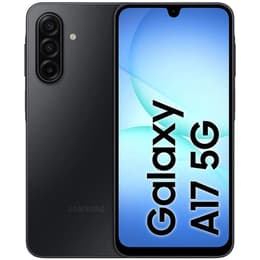
Galaxy A16 5G Vs Galaxy A17
- 1-year minimum warranty
- Free delivery on all items
- Free 30-day returns
Differences at a glance
The Samsung Galaxy A16 5G (2024) and the Samsung Galaxy A17 (2025) represent successive iterations in Samsung's widely accessible smartphone lineup. Both devices are built to deliver reliable everyday performance and essential features at an accessible tier. While they share similar core dimensions and display sizes, the newer Galaxy A17 introduces refinements in software version out of the box, physical build profile, and camera stabilization capabilities.
Operating on Google's Android ecosystem with Samsung's custom interface, both handsets bridge the gap between long-term software support and functional daily usability. This comparison explores how their practical differences influence real-world performance, longevity, and overall user experience.
Available Models
Colour
Storage
Scores
Durability
When evaluating hardware longevity and software support, both smartphones offer robust commitments that outlast many alternatives in their category, with the Galaxy A17 benefiting from a slightly fresher release timeline.
- Software Support Window: Both models receive extended multi-year software and security updates, ensuring long-term system integrity and compatibility with modern applications.
- OS Version Timeline: The Galaxy A17 launched with a newer major Android version natively compared to its predecessor, giving it a baseline advantage in total software lifecycle.
- Repairability and Build Integrity: Both devices feature standard plastic-and-glass construction that aligns with typical repair structures, though user care remains vital for physical longevity.
Year of Release
2024
2025
OS
Android
Android
Foldable
No
No
Performance
Day-to-day responsiveness and multitasking capabilities remain remarkably similar between the two devices, handling standard mobile applications and browsing smoothly.
- Multitasking and Memory: Available in various configurations featuring up to 8GB of RAM, both models manage routine app switching and background tasks without noticeable sluggishness.
- Battery Behavior: Both smartphones pack a large capacity power cell capable of sustaining a full day of mixed usage under typical conditions, supported by standard fast-charging speeds.
- Storage Capacity: Users can select from flexible internal storage tiers, with expandable storage options available via microSD to accommodate large media libraries.
Screen quality
Visual output and display responsiveness are closely matched, providing bright and clear viewing experiences for media consumption and text readability.
- Display Technology: Both models utilize vibrant Super AMOLED display panels that deliver deep contrast levels and rich color reproduction.
- Refresh Rate and Smoothness: Equipped with a 90Hz refresh rate, scrolling through web pages and navigating the user interface appears fluid and responsive on both screens.
- Outdoor Visibility: High-brightness mode capabilities ensure that text and images remain legible under direct sunlight during outdoor use.
Resolution
1080 x 2340
1080x2340
Audiovisual
Photography and media recording setups on both devices cater to casual documentation, featuring versatile multi-lens configurations on the rear.
- Main Sensor Capabilities: Both smartphones feature a primary high-resolution main sensor designed to capture crisp daytime photographs with balanced color accuracy.
- Stabilization and Video: The Galaxy A17 introduces optical image stabilization (OIS) on its main lens, helping reduce blur during video recording and low-light shooting compared to its predecessor.
- Secondary Lenses: Both include ultra-wide and macro sensors to accommodate landscape framing and close-up photography, alongside a standard front-facing camera for video calls.
Front camera
13 megapixels
13MP
Miscellaneous
Physical dimensions and connectivity options are largely aligned, though subtle design refinements distinguish the newer hardware generation.
- Design and Dimensions: The Galaxy A17 features a slightly thinner profile and marginally lighter build compared to the Galaxy A16 5G, improving pocketability and hand feel.
- Durability Standards: Both devices incorporate dust and water splash resistance ratings suitable for everyday environmental exposure.
- Connectivity and Security: Integrated 5G capabilities, modern Bluetooth standards, and side-mounted fingerprint sensors ensure secure unlocking and fast mobile data access across both models.
Weight
200 g
192 g
Screen size (in)
6.7
6.7
Mobile network
5G
5G
SIM card
Dual Physical SIM
Dual Physical SIM
Carrier compatibility
Unlocked
Unlocked
Connector
USB-C
USB-C
What the community thinks
User community discussions and feedback indicate that both smartphones satisfy consumers looking for dependable, everyday technology without excessive complexity. Reviewers and daily users frequently praise the dependable battery life and bright AMOLED screens on both models. Common criticisms center on modest low-light photography limits and the absence of advanced processing features like on-device artificial intelligence suites, though this aligns with expectations for this device category. For those seeking an eco-friendly alternative, exploring a quality-assured refurbished option provides a sustainable choice that extends the lifecycle of these devices.
Users prioritizing a slightly slimmer physical profile and optical image stabilization for steadier video clips may prefer the Galaxy A17. Meanwhile, users focused on core reliability at an accessible tier will find the Galaxy A16 5G equally capable for standard communication and media tasks. Ultimately, both devices offer robust feature sets, and the right choice depends on whether minor design and camera refinements influence your day-to-day preferences.