Compare models
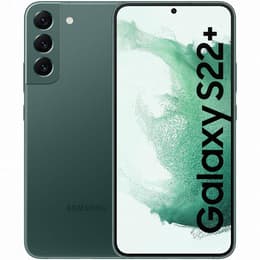
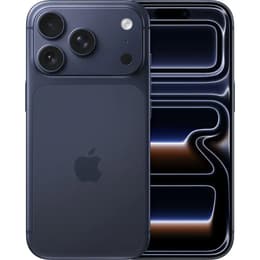
Galaxy S22+ 5G Vs iPhone 17 Pro
- 1-year minimum warranty
- Free delivery on all items
- Free 30-day returns
Differences at a glance
The Samsung Galaxy S22+ 5G (2022) and the Apple iPhone 17 Pro (2025) represent different generations and operating ecosystems in the high-end smartphone market. While the Galaxy S22+ 5G runs on the Android platform and brings a mature feature set, the iPhone 17 Pro operates on iOS and introduces newer hardware capabilities, improved multi-lens optics, and generationally advanced processing power. These distinct approaches mean each device suits different user preferences regarding daily software interaction and long-term hardware evolution.
Available Models
Colour
Storage
Scores
Durability
When comparing longevity, the release timeline and respective operating system update paths play significant roles in determining how long each device remains practical for daily use.
- Software Support: The iPhone 17 Pro benefits from a later release year, positioning it to receive system updates further into the future compared to the older Galaxy S22+ 5G.
- Build Durability: Both models utilize robust outer frames and reinforced glass panels, though newer generation glass protection on the iPhone 17 Pro offers modern resilience against daily wear and drops.
- Expected Lifespan: Users selecting the iPhone 17 Pro gain a longer window of official software patches, while the Galaxy S22+ 5G requires careful evaluation of its remaining support lifecycle.
Year of Release
2022
2025
Compatible with latest Update
Yes
Yes
OS
Android
iOS
Foldable
No
No
Performance
System responsiveness and daily multitasking capabilities differ notably due to the generational gap in internal hardware components between these two smartphones.
- App Responsiveness: The iPhone 17 Pro handles demanding applications, high-end mobile gaming, and intensive background tasks with exceptional fluidity, whereas the Galaxy S22+ 5G manages everyday browsing and multitasking reliably with occasional pauses under heavy load.
- Memory Management: Generational increases in system memory allow the iPhone 17 Pro to keep numerous intensive apps active simultaneously without restarting, while the Galaxy S22+ 5G handles standard multi-app workflows adequately.
- Battery Behavior: The Galaxy S22+ 5G features a power capacity that generally requires daily recharging under typical usage, while the newer power efficiency profile of the iPhone 17 Pro helps extend active operational time between charges.
Screen quality
Viewing experiences on both devices rely on high-end display technologies designed to deliver sharp details, vibrant colors, and smooth motion handling.
- Display Technology: Both models feature advanced display panels with deep contrast levels and rich color reproduction suitable for streaming media and viewing photos outdoors.
- Brightness and Clarity: High peak brightness levels on both screens ensure legibility under direct sunlight, while high refresh rate support guarantees smooth scrolling and fluid interface animations.
- Screen Real Estate: The Galaxy S22+ 5G offers a slightly larger diagonal viewing area, whereas the iPhone 17 Pro balances a compact hand feel with a crisp, dense resolution layout.
Resolution
1080 x 2340
2622x1206
Screen type
Dynamic AMOLED 2X
Super Retina XDR
Audiovisual
Photography and media recording capabilities vary across both devices, reflecting advancements in sensor technology and image processing pipelines over the years.
- Multi-Lens Setup: The iPhone 17 Pro incorporates versatile high-resolution lenses across its main, ultra-wide, and telephoto array, delivering crisp detail in complex lighting conditions, while the Galaxy S22+ 5G provides a reliable triple-camera configuration for everyday snapshots.
- Video and Audio: Video recording on the iPhone 17 Pro benefits from advanced stabilization and cinematic features, and built-in microphone arrays capture clear audio for calls and video creation. Media consumption through the stereo speakers on both devices delivers balanced sound output.
Main camera
50 megapixels
48 megapixels
Front camera
10 megapixels
18 megapixels
Miscellaneous
Practical daily usability elements such as connectivity standards, physical dimensions, and security sensors shape how each phone fits into routine activities.
- Connectivity and Ports: Both models support fast 5G cellular networks and modern Wi-Fi standards, utilizing USB-C connectivity for charging and data transfer.
- Biometric Security: The Galaxy S22+ 5G features an in-display fingerprint sensor alongside facial recognition, whereas the iPhone 17 Pro relies exclusively on a secure face recognition system.
- Handling and Weight: Dimensions and weight distributions differ slightly, influencing how comfortably each device rests in the hand or pocket during extended use.
Weight
195 g
206 g
Screen size (in)
6.6
6.3
Mobile network
5G
5G
SIM card
Dual Physical SIM + eSIM
Physical SIM + eSIM
Carrier compatibility
Unlocked
Unlocked
Connector
USB-C
USB-C
What the community thinks
User discussions across community forums highlight distinct preferences for each device based on operating system familiarity and hardware age. Owners of the Galaxy S22+ 5G frequently praise its spacious screen size, comfortable ergonomics, and reliable everyday feature set, though some note that battery life can diminish under heavy multi-app usage. Conversely, users of the iPhone 17 Pro often emphasize the rapid system speed, high-resolution camera versatility, and extended software update window, while occasionally mentioning the higher physical weight compared to lighter alternatives.
Users prioritizing deep Android customization, a larger display canvas, and an integrated fingerprint sensor may prefer the Galaxy S22+ 5G, while users focusing on long-term software longevity, advanced camera output, and high-tier processing power will likely lean toward the iPhone 17 Pro. For buyers seeking a sustainable choice, opting for a quality-assured refurbished option provides an eco-friendly alternative that extends device life cycles without compromising on performance standards.