Compare models
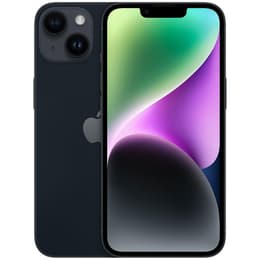
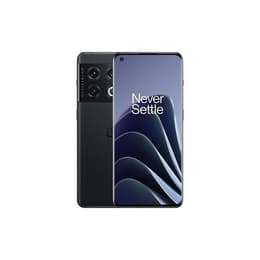
iPhone 14 Vs OnePlus 10 Pro
- 1-year minimum warranty
- Free delivery on all items
- Free 30-day returns
Differences at a glance
The iPhone 14 (2022) and the OnePlus 10 Pro (2022) represent two distinct philosophies in the smartphone market. While the iPhone 14 is designed as a reliable, standard-sized flagship within the Apple ecosystem, the OnePlus 10 Pro offers a larger, feature-rich experience running on the Android-based OxygenOS. Both devices arrived during a year of significant mobile advancement, providing users with high-quality displays and capable camera systems. Choosing between them often involves weighing the benefits of a compact, integrated software experience against a more expansive, hardware-focused approach. Opting for a quality-assured refurbished option for either of these models allows users to access modern technology through a more eco-friendly alternative.
Available Models
Colour
Storage (GB)
Scores
Durability
Both smartphones are built with high-quality materials designed to last several years, but their long-term software support and physical repairability follow different paths.
- Software longevity: The iPhone 14 typically receives official operating system updates for six to seven years from its release date, ensuring that users have access to the latest security features and interface improvements well into the late 2020s.
- Update frequency: The OnePlus 10 Pro follows a shorter support cycle, generally offering three major Android version updates and four years of security patches, which may influence those who plan to keep their device for more than half a decade.
- Repairability and build: Both devices feature glass and metal constructions that require professional care for internal repairs, though the iPhone 14's internal architecture was updated to allow for easier replacement of the back glass compared to previous generations.
Year of Release
2022
2022
Compatible with latest Update
Yes
Yes
OS
iOS
Android
Foldable
No
No
Performance
These devices handle demanding applications and multitasking with ease, though they manage background processes and power consumption differently based on their respective operating systems.
- System responsiveness: The iPhone 14 provides a fluid and consistent experience where apps open quickly and system animations remain smooth, even when the device is under heavy load from video editing or high-end gaming.
- Multitasking capabilities: With higher memory configurations, the OnePlus 10 Pro is particularly adept at keeping numerous large applications active in the background, allowing users to switch between tasks without the system needing to reload them.
- Battery endurance: In daily use, the iPhone 14 is highly optimized for efficiency during standby periods, while the OnePlus 10 Pro’s larger battery capacity is designed to support its high-resolution screen through a full day of active media consumption and web browsing.
Screen quality
The viewing experience is one of the most significant differentiators between these two smartphones, affecting everything from daily scrolling to watching high-definition video.
- Display technology: The OnePlus 10 Pro features a large, curved screen with a high refresh rate that makes scrolling and system transitions appear exceptionally smooth compared to the standard 60Hz panel found on the iPhone 14.
- Clarity and size: While the iPhone 14 offers a compact 6.1-inch display that is well-suited for one-handed use, the OnePlus 10 Pro provides a more immersive 6.7-inch area with higher pixel density for sharper text and more detailed images.
- Outdoor visibility: Both screens utilize OLED technology to deliver deep blacks and vibrant colors, reaching high brightness levels that ensure the display remains easily readable even when used under direct, bright sunlight.
Resolution
1170 x 2532
1440 x 3216
Screen type
Super Retina XDR OLED
LTPO2 Fluid AMOLED
Audiovisual
Photography and media creation are central to both devices, with the OnePlus 10 Pro offering more hardware versatility and the iPhone 14 focusing on processing consistency and video stability.
- Camera versatility: The OnePlus 10 Pro includes a dedicated telephoto lens for optical zooming, whereas the iPhone 14 relies on its main and ultra-wide lenses, using digital cropping for shots taken from a distance.
- Video and audio: The iPhone 14 is widely recognized for its stable video recording and natural sound capture, making it a reliable tool for social media creators and those who frequently record family memories.
- Low-light performance: Both smartphones use advanced software processing to brighten dark scenes and reduce noise, though the OnePlus 10 Pro allows for more manual control over photographic settings for users who enjoy fine-tuning their shots.
Main camera
12 megapixels
48 megapixels
Front camera
12 megapixels
32 megapixels
Miscellaneous
Beyond the core specifications, the physical ports, security methods, and connectivity standards define the daily interaction rhythm for users of these smartphones.
- Connectivity and ports: The OnePlus 10 Pro utilizes a universal USB-C port for charging and data transfer, while the iPhone 14 uses the proprietary Lightning connector, which may require specific cables for those transitioning from other modern electronics.
- Biometric security: Users of the iPhone 14 rely on facial recognition for unlocking the device, which works effectively in most lighting conditions, while the OnePlus 10 Pro features an in-display fingerprint sensor for quick and secure access.
- Physical handling: The iPhone 14 is significantly lighter and narrower, making it more comfortable for users with smaller hands, whereas the OnePlus 10 Pro’s larger footprint accommodates its expansive screen and advanced cooling systems.
Weight
172 g
201 g
Screen size (in)
6.1
6.7
Mobile network
5G
5G
SIM card
Physical SIM + eSIM
Dual Physical SIM
Carrier compatibility
Unlocked
Unlocked
What the community thinks
Public sentiment on technology forums suggests that users appreciate the iPhone 14 for its reliable performance and the longevity of the iOS ecosystem. Many users highlight that the device "just works" without the need for frequent troubleshooting. However, some community members express a desire for the faster screen refresh rates found on other modern devices. Conversely, the OnePlus 10 Pro is frequently praised for its fast charging capabilities and its vibrant, smooth display, though some users note that software updates can occasionally be less consistent than those provided by Apple.
Users prioritizing a compact form factor, long-term software support, and a straightforward camera experience will likely find the iPhone 14 fits their needs perfectly. Those who prefer a larger screen for media, more camera lenses for creative photography, and the flexibility of the Android platform may lean toward the OnePlus 10 Pro. Choosing a quality-assured refurbished model is a sustainable choice that reduces electronic waste while providing a high-performance device. Ultimately, the decision rests on whether you value the seamless integration of the Apple ecosystem or the hardware-forward, customizable nature of the OnePlus experience.