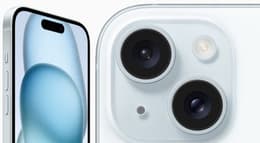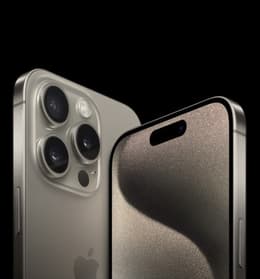

Galaxy A56 Vs iPhone 15

Galaxy A56
Galaxy A56
Starting at

Refurbished price:£274.00

Versus £422.50 new

See options
iPhone 15
iPhone 15
Starting at

Refurbished price:£325.00

Versus £699.00 new

See options

Ratings

The Samsung Galaxy A56 (2025) and the Apple iPhone 15 (2023) represent two distinct approaches to the modern smartphone experience. While the Galaxy A56 is a contemporary mid-range contender running the Android operating system, the iPhone 15 remains a powerful flagship option within the iOS ecosystem. Choosing between them involves weighing the benefits of a more recent release against the established performance of a premium device from a previous generation.

Both devices offer robust features for daily use, but they cater to different user preferences regarding software ecosystems and hardware priorities. This comparison explores how these two smartphones handle real-world tasks, from photography to long-term durability, helping you decide which model aligns best with your specific needs and lifestyle.

Scores

Durability

The Galaxy A56 and iPhone 15 are both designed for multi-year use, though their different release dates and manufacturer policies create unique support timelines for users to consider.

  • Software Longevity: The iPhone 15 is expected to receive iOS updates until approximately 2029 or 2030, providing a very long functional life. The Galaxy A56 benefits from Samsung's recent commitment to extended security and OS updates for its A-series, which aims to provide similar longevity despite its mid-range classification.
  • Build and Repair: Both phones feature glass and aluminium constructions with high water and dust resistance ratings (IP67 or IP68). The iPhone 15 introduced a more modular internal design to simplify back glass repairs, while the Galaxy A56 follows a traditional assembly that is familiar to most independent technicians.
  • Physical Resilience: Users will find that both devices handle daily wear well. The iPhone 15 uses a specific glass treatment designed for high drop resistance, while the Galaxy A56 focuses on a sturdy frame and a durable screen surface to withstand common accidents.

Year of Release

2025

2023

Compatible with latest Update

Yes

Yes

OS

Android

iOS

Foldable

No

No

Performance

These devices handle everyday tasks with ease, though they are tuned for different types of workloads and user expectations regarding system speed.

  • System Responsiveness: The iPhone 15 provides a consistently fluid experience when switching between demanding applications or editing high-resolution video. The Galaxy A56 is highly capable for standard multitasking, social media, and web browsing, though it may show slight differences in speed during the most intensive gaming sessions compared to the flagship-tier iPhone.
  • Battery Efficiency: In typical daily scenarios, both phones are designed to last through a full day of use. The Galaxy A56 often prioritises power efficiency for long-term browsing and video playback, while the iPhone 15 manages background tasks effectively to preserve charge during standby periods.
  • Multitasking Capacity: With sufficient memory for their respective operating systems, both devices allow users to keep multiple apps open without frequent reloading. This ensures a smooth workflow for professionals and students who need to jump between documents, emails, and messaging apps.

Memory (GB)

8 GB

6 GB

Screen quality

The viewing experience differs primarily in terms of motion smoothness and screen real estate, with each device offering a different visual priority.

  • Display Technology: The Galaxy A56 features a high-refresh-rate AMOLED screen, which makes scrolling through feeds and navigating menus appear very fluid. The iPhone 15 uses a vibrant OLED panel that offers excellent colour accuracy and high peak brightness for outdoor visibility, though it operates at a standard refresh rate.
  • Visual Clarity: Both screens provide sharp text and rich colours, making them well-suited for streaming video or viewing photos. The iPhone 15 includes the interactive Dynamic Island at the top for notifications, while the Galaxy A56 typically uses a small, unobtrusive camera cutout to maximise the viewing area.
  • Size and Ergonomics: The Galaxy A56 generally offers a larger canvas for media consumption and gaming, whereas the iPhone 15 maintains a more compact form factor that is easier to operate with one hand for users with smaller hands.

Resolution

1080 x 2340

1179 x 2556

Screen type

Super AMOLED

Super Retina XDR OLED

Audiovisual

Photography and media playback are strong points for both devices, with distinct strengths in software processing and hardware versatility.

  • Camera Versatility: The iPhone 15 features a high-resolution main sensor that excels in capturing fine detail and natural skin tones in various lighting conditions. The Galaxy A56 provides a versatile multi-lens system, often including a dedicated macro or ultra-wide lens, allowing for a wider variety of creative shots in different environments.
  • Video and Audio: For video creators, the iPhone 15 is often noted for its stable recording and high-quality internal microphones. The Galaxy A56 offers competitive video features and clear stereo speakers that provide an immersive experience for watching movies or taking video calls.
  • Low-Light Performance: Both devices use advanced software processing to brighten photos taken in dark settings. This ensures that evening shots remain clear and usable without excessive grain, though the iPhone 15 often prioritises a more natural look while the Galaxy A56 may lean toward a brighter, more vibrant finish.

Main camera

4K@30fps

48 megapixels

Front camera

13 megapixels

12 megapixels

Miscellaneous

Practical features like connectivity, security, and physical handling play a significant role in the daily user experience for both smartphones.

  • Connectivity and Ports: Both smartphones have transitioned to USB-C, allowing for universal charging cables and easier data transfer. They also support 5G connectivity for fast mobile data and modern Wi-Fi standards for stable home and office internet connections.
  • Security Features: The iPhone 15 relies on sophisticated facial recognition for unlocking and secure payments, which users find very seamless. The Galaxy A56 typically employs an under-display fingerprint sensor, providing a familiar and secure way to access the device even when wearing a face covering.
  • Dimensions and Weight: The iPhone 15 is lighter and more pocket-friendly, making it ideal for those who prefer a device that is easy to carry. The Galaxy A56 has a more substantial feel and a larger footprint, which some users prefer for a steadier grip during photography or a more expansive gaming experience.

Weight

197 g

171 g

Screen size (in)

6.5

6.1

Mobile network

5G

5G

SIM card

Dual Physical SIM + eSIM

Physical SIM + eSIM

Carrier compatibility

Unlocked

Unlocked

Connector

USB-C

USB-C (USB 2)

User feedback for the iPhone 15 often highlights its reliable ecosystem integration and the convenience of its compact, lightweight design. Many users praise the camera's consistency and the overall smoothness of the software. On the other hand, Galaxy A56 users frequently appreciate the fluid 120Hz display and the flexibility of the Android operating system. While the iPhone 15 is a flagship from a previous year, the Galaxy A56 is a more recent mid-range device, leading to a consensus that both offer modern, high-quality experiences for different types of users.

Users who prioritise a smooth, high-refresh-rate screen and a larger display for media consumption may find the Galaxy A56 better suited to their needs. Conversely, those who prefer a compact, powerful device with a focus on video quality and long-term software consistency will likely lean toward the iPhone 15. Choosing a quality-assured refurbished option is a sustainable choice that allows users to access these high-performing technologies while reducing electronic waste.

Ultimately, the decision rests on whether a user values the latest mid-range innovations from Samsung or the established flagship features of the Apple ecosystem. Both phones represent durable, eco-friendly alternatives to buying brand new when sourced through responsible channels, ensuring that you receive a device that is both functional and mindful of environmental impact.


See all articles

Our recent comparisons