Compare models
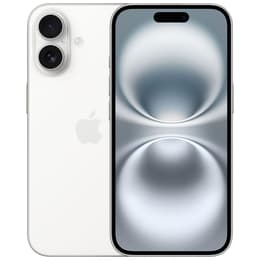
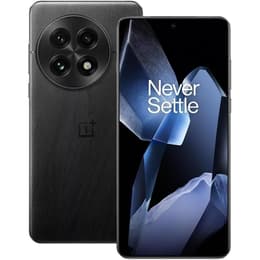
iPhone 16 Vs OnePlus 13
- 1-year minimum warranty
- Free delivery on all items
- Free 30-day returns
Differences at a glance
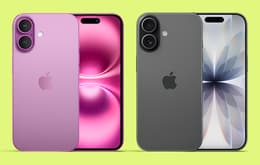
The iPhone 16 (2024) and the OnePlus 13 (2025) represent current-generation flagship smartphones from two distinct operating ecosystems. While both devices deliver high-end mobile computing, they approach daily interaction differently through their choice of software, physical dimensions, and hardware layout. The iPhone 16 runs Apple's iOS ecosystem with a focus on streamlined software integration, whereas the OnePlus 13 operates on Android with deep customisation options.
Available Models
Colour
Storage (GB)
Scores
Durability
Both smartphones are built to remain operational for many years, though their update schedules and hardware durability features differ.
- Software Support: The iPhone 16 benefits from Apple's long-standing update commitment, receiving regular system upgrades for several years. The OnePlus 13 also provides multiple generations of major operating system updates, ensuring long-term software relevance.
- Build Longevity: The iPhone 16 utilises reinforced front glass and an aluminum frame designed to withstand everyday wear. The OnePlus 13 features advanced surface protection glass and robust dust and water resistance ratings designed for demanding physical environments.
Year of Release
2024
2025
Compatible with latest Update
Yes
Yes
Foldable
No
No
Performance
Handling daily operations, demanding applications, and heavy multitasking is smooth across both models, supported by large memory configurations and responsive system architecture.
- App Responsiveness: Both devices load heavy applications instantly and maintain stable frame rates during intensive mobile gaming or multitasking sessions.
- Battery Behaviour: The iPhone 16 manages energy efficiently for a full day of standard mixed usage. The OnePlus 13 incorporates a high-capacity energy cell that easily sustains extended periods of heavy media streaming and navigation.
Screen quality
Visual output differs primarily in physical dimensions and panel technology, with both displays offering sharp clarity and high brightness levels.
- Display Technology: The iPhone 16 features a compact OLED panel with deep contrast and vibrant color reproduction. The OnePlus 13 provides a larger high-resolution AMOLED screen with adaptive refresh rates for smooth scrolling and immersive media viewing.
- Outdoor Visibility: Both panels achieve high peak brightness figures, making on-screen content clearly legible under direct sunlight.
Resolution
1179 x 2556
1440 x 3168
Screen type
Super Retina XDR OLED
AMOLED
Audiovisual
Capturing photos and recording video are central strengths for both models, utilizing multi-lens arrays and advanced image processing software.
- Photography Performance: Both devices capture detailed images in diverse lighting conditions, handling low-light environments effectively through multi-frame processing. The OnePlus 13 features a dedicated telephoto zoom lens for distant subjects, while the iPhone 16 relies on high-resolution sensor cropping for secondary magnification.
- Video and Audio: Video recording is exceptionally steady on both models, supported by clear microphone arrays that isolate voice input during calls.
Miscellaneous
Physical handling and connectivity standards reflect each manufacturer's design philosophy and hardware priorities.
- Connectivity and Ports: Both models support current wireless standards including fast Wi-Fi and 5G networks. The iPhone 16 uses a universal connector port, while the OnePlus 13 matches this with rapid wired replenishment technology.
- Form Factor: The iPhone 16 offers a smaller, lightweight footprint that sits comfortably in smaller hands. The OnePlus 13 has a larger physical chassis to accommodate its expansive display and generous battery capacity.
Weight
170 g
213 g
Screen size (in)
6.1
6.82
Mobile network
5G
5G
SIM card
Physical SIM + eSIM
Dual Physical SIM
Carrier compatibility
Unlocked
Unlocked
Connector
USB-C (USB 2)
USB-C
What the community thinks
User discussions across public forums highlight strong satisfaction with the processing speed and display clarity of both devices. iPhone 16 users frequently praise the streamlined software interface and manageable physical size, though some note that base storage tiers fill up quickly with heavy media use. OnePlus 13 owners highlight the rapid energy replenishment speeds and expansive screen estate as major daily benefits, while observing that the larger chassis can feel heavy during one-handed use.
Users prioritizing compact handling, seamless ecosystem integration, and long-term software continuity may find the iPhone 16 well-suited to their needs. Conversely, users who prefer generous screen space, deep operating system customisation, and high-capacity battery endurance will likely lean toward the OnePlus 13. For those exploring sustainable purchasing habits, a quality-assured refurbished option provides an eco-friendly alternative without compromising on core performance capabilities.