
Samsung
Compare models
Differences at a glance
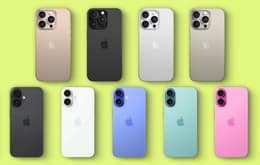
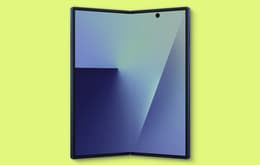
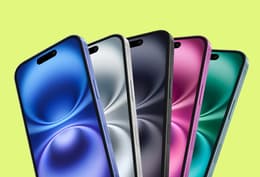
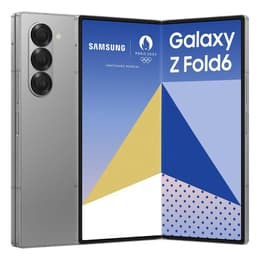
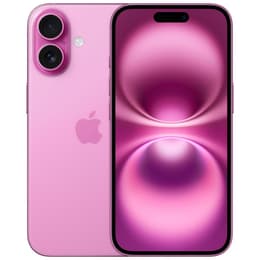
The Samsung Galaxy Z Fold6, released in July 2024, and the Apple iPhone 16, launched in September 2024, represent distinct approaches to modern smartphone design. The Galaxy Z Fold6 offers a unique foldable form factor, transforming from a compact device into a larger tablet-like screen, while the iPhone 16 maintains a traditional slab design. Both devices operate on their respective advanced mobile operating systems, Android and iOS, and cater to different user preferences through their core functionalities and design philosophies.
Colour
Storage
When considering the longevity and durability of these devices, both the Galaxy Z Fold6 and the iPhone 16 offer robust support and build quality, though with different considerations due to their designs.
Year of Release
Compatible with latest Update
Foldable
Both the Galaxy Z Fold6 and the iPhone 16 are equipped with powerful internal components designed to deliver smooth and responsive performance for a wide range of tasks.
The display experience on the Galaxy Z Fold6 and the iPhone 16 differs significantly, primarily due to their distinct form factors and display technologies.
Resolution
Screen type
Both the Galaxy Z Fold6 and the iPhone 16 offer advanced camera systems, each with strengths tailored to their respective platforms and user expectations.
Main camera
Front camera
Beyond their core features, the Galaxy Z Fold6 and iPhone 16 incorporate various practical elements that influence daily usability and overall experience.
Weight
Screen size (in)
Mobile network
SIM card
Carrier compatibility
The choice between the Galaxy Z Fold6 and the iPhone 16 ultimately depends on individual priorities and how a user intends to interact with their device. The Galaxy Z Fold6 is often praised for its innovative foldable design, which provides a large, immersive display for multitasking, media consumption, and productivity, effectively combining a smartphone and a small tablet into one device. Users appreciate its robust software support and the versatility offered by its form factor. However, some common criticisms include its battery life, which can be inconsistent with heavy use of the inner screen, and its camera system, which, while competent, may not always match the performance of dedicated flagship slab phones. The durability of the foldable screen and hinge also remains a consideration for some users.
The iPhone 16 is lauded for its consistent performance, the intuitive iOS ecosystem, and its improved battery life compared to previous generations. Its camera system delivers reliable and high-quality photos and videos, and the introduction of features like the Action Button enhances user convenience. On the other hand, common concerns for the iPhone 16 include its 60Hz display, which some users find less fluid than higher refresh rate screens on competing devices, and some initial software glitches reported with the camera app and display responsiveness.
Users prioritizing a versatile, large-screen experience for productivity and entertainment, and who are comfortable with a foldable form factor, may find the Galaxy Z Fold6 well-suited to their needs. Conversely, those who prefer a traditional, streamlined smartphone experience with a strong emphasis on consistent performance, a robust app ecosystem, and a highly capable camera for everyday use will likely lean towards the iPhone 16. Both devices represent quality-assured options, and for those looking for a more sustainable choice, considering refurbished models of either device can be an eco-friendly alternative.