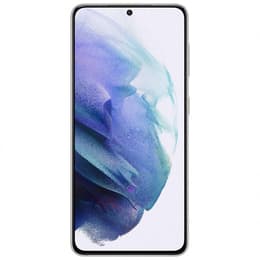
Galaxy S21 5G Vs Galaxy S23+

Galaxy S21 5G
Galaxy S21 5G
Starting at

Refurbished price:£133.00

Versus £829.00 new

See options
Galaxy S23+
Galaxy S23+
Starting at

Refurbished price:£257.00

Versus £1,199.99 new

See options

Ratings

The Samsung Galaxy S21 5G, released in early 2021, and the Samsung Galaxy S23 Plus, launched in early 2023, represent two distinct generations of Samsung’s flagship smartphone series. While both devices operate on the Android platform with Samsung’s intuitive One UI software, they offer different physical experiences and internal capabilities that cater to varying user needs. The Galaxy S21 5G is a compact device tailored for portability and ease of use, whereas the Galaxy S23 Plus is a larger, more powerful model designed for users who demand more screen space and longer battery life for their daily tasks. Over the years, the S-series has evolved to refine the balance between performance and efficiency, and these two models highlight that progression clearly.

Scores

Durability

Assessing the longevity of these devices involves looking at both their physical build quality and the software support they will receive over the coming years to ensure they remain functional. Choosing a sustainable choice like a refurbished model ensures that these high-quality devices continue to serve users well into the future while reducing environmental impact.

  • Software longevity: The Galaxy S23 Plus has a significant advantage in software support, as it was released two years after the S21 5G, meaning it will receive Android version updates and security patches for a longer duration, keeping it current for several more years.
  • Build materials: The Galaxy S21 5G uses a reinforced polycarbonate back that is highly resistant to impact and scratches, while the Galaxy S23 Plus features a glass back that offers a different tactile feel but may require more care or a protective case to avoid cracking.
  • Water and dust resistance: Both smartphones are designed with high levels of water and dust resistance, allowing them to withstand accidental submersions and harsh environments, which contributes to their overall practical lifespan in daily use.

Year of Release

2021

2023

Compatible with latest Update

Yes

Yes

OS

Android

Android

Foldable

No

No

Performance

In everyday use, both smartphones provide a responsive experience, but the newer internal hardware of the Galaxy S23 Plus offers clear benefits for more demanding users who multitask heavily. The evolution in internal components between 2021 and 2023 has focused on improving efficiency and reducing heat during intensive tasks.

  • Battery endurance: The Galaxy S23 Plus is equipped with a much larger battery capacity, which translates to significantly longer usage times between charges, making it better suited for those who are away from a power outlet for the entire day.
  • System responsiveness: While the Galaxy S21 5G remains fast for standard applications, the Galaxy S23 Plus handles intensive multitasking and high-end gaming with greater ease, providing a smoother experience with fewer slowdowns.
  • App management: With more efficient internal processing, the Galaxy S23 Plus can keep more applications open in the background, allowing for faster switching between tasks without the need to reload content, which is ideal for professional workflows.

Memory (GB)

8 GB

8 GB

Screen quality

Both phones feature vibrant displays with high refresh rates, but the difference in physical size and peak brightness levels impacts how they are used in different lighting environments. The display technology used by Samsung ensures that both models provide deep blacks and rich colours for an engaging viewing experience.

  • Display dimensions: The 6.6-inch screen of the Galaxy S23 Plus provides a much larger area for watching videos or editing documents, whereas the 6.2-inch screen of the S21 5G is more comfortable for one-handed use and fits easily into smaller pockets.
  • Outdoor visibility: The Galaxy S23 Plus features a screen that can reach much higher brightness levels, ensuring that text and images remain clear and legible even when the device is used outside under direct sunlight.
  • Visual smoothness: Both devices utilise a high refresh rate that makes scrolling through menus and social media feel fluid, though the Galaxy S23 Plus features more advanced technology that adjusts the smoothness automatically to help conserve battery life.

Resolution

1080 x 2400

1080 x 2340

Screen type

Dynamic AMOLED 2X

Dynamic AMOLED 2X

Audiovisual

The camera systems on these devices are designed to capture high-quality memories, though the Galaxy S23 Plus introduces several refinements in sensor technology and image processing. Both models offer a versatile triple-lens setup that includes wide, ultra-wide, and telephoto options for various photography styles.

  • Main camera clarity: The Galaxy S23 Plus uses a higher-resolution main sensor that captures more fine detail in various lighting conditions, providing users with more flexibility for cropping their photos without losing sharpness.
  • Low-light photography: Users will find that the Galaxy S23 Plus produces cleaner images with less digital noise when taking photos at night, thanks to improved processing that handles dark environments more effectively than the older S21 5G.
  • Video and audio: Both smartphones record high-quality video with stable footage, but the Galaxy S23 Plus offers improved microphone pickup and wind noise reduction, which is particularly beneficial for recording clear audio during outdoor events.

Main camera

12 megapixels

50 megapixels

Front camera

10 megapixels

12 megapixels

Miscellaneous

Practical features like connectivity standards and physical handling play a large role in the overall user experience and how these two Samsung models fit into a modern lifestyle. These small differences in hardware can affect everything from internet speeds to how the phone feels during a long phone call.

  • Connectivity and speed: Both devices support 5G networks for fast mobile data, but the Galaxy S23 Plus includes more modern Wi-Fi and Bluetooth standards, which can result in more stable and faster internet connections in homes with the latest routers.
  • Ergonomics and weight: The Galaxy S21 5G is noticeably lighter and narrower, making it a preferred option for users who value a phone that is easy to carry and operate with one hand throughout the day.
  • Biometric security: Each phone uses an ultrasonic fingerprint sensor located under the screen, offering a secure and fast way to unlock the device that works reliably even if your fingers are slightly damp or cold.

Weight

169 g

196 g

Screen size (in)

6.2

6.6

Mobile network

5G

5G

SIM card

Dual Physical SIM + eSIM

Dual Physical SIM + eSIM

Carrier compatibility

Unlocked

Unlocked

Public sentiment on various technology forums suggests that the Galaxy S21 5G is still highly regarded for its comfortable size and reliable performance, though some users have noted that its battery life can feel limited for heavy users. In contrast, the Galaxy S23 Plus receives consistent praise for its exceptional battery performance and its large, bright display, which many users find ideal for entertainment and productivity. Some criticisms of the S23 Plus focus on its larger footprint, which can feel slightly bulky for those transitioning from more compact devices. Users who prioritise a lightweight, compact phone that is easy to manage with one hand will likely find the Galaxy S21 5G to be a suitable companion for their daily needs. Conversely, users who prioritise a large screen for media consumption and a battery that can comfortably last through a long day of heavy use will find the Galaxy S23 Plus to be the more appropriate choice. Opting for a quality-assured refurbished option for either of these models is a practical way to access high-end technology while supporting a more circular economy and reducing electronic waste. Ultimately, both smartphones offer a high-quality experience, and the right choice depends on whether you value portability or the enhanced endurance of a larger device.


See all articles

Our recent comparisons