
Sony Xperia 5 IV Vs Xiaomi Redmi Note 11 Pro 5G

Sony Xperia 5 IV
Sony Xperia 5 IV
Starting at

Refurbished price:£299.00

Versus £1,199.00 new

See options
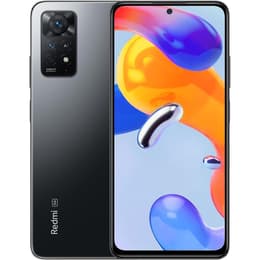
Xiaomi Redmi Note 11 Pro 5G
Starting at

Refurbished price:£102.00

Versus £599.00 new

See options

Ratings

The Sony Xperia 5 IV, released in September 2022, and the Xiaomi Redmi Note 11 Pro 5G, launched in January 2022, are both Android smartphones that cater to different user priorities. While the Xperia 5 IV focuses on a compact form factor with advanced camera capabilities and a powerful processor, the Redmi Note 11 Pro 5G offers a larger display and a high-megapixel main camera. Both devices run on the Android operating system, providing access to a wide ecosystem of applications and services.

Scores

Durability

The expected practical lifespan of a smartphone is influenced by its release timeline, software support, and physical durability features.

  • Release Timeline and Software Support: The Sony Xperia 5 IV, released in September 2022, launched with Android 12 and has since received updates up to Android 14. Sony typically provides two major Android operating system updates for its Xperia line, meaning the Xperia 5 IV has reached its end of life for major OS upgrades. The Xiaomi Redmi Note 11 Pro 5G, released in January 2022, launched with Android 11 and MIUI 13, and has been updated to Android 13 (HyperOS based on Android 13). Xiaomi's update policy suggests the Redmi Note 11 Pro 5G is expected to lose update support in 2025.
  • Physical Durability: The Xperia 5 IV features IP65/IP68 water and dust resistance, along with Corning Gorilla Glass Victus on both the front and back for enhanced protection against drops and scratches. The Redmi Note 11 Pro 5G offers IP53 dust and splash resistance and uses Corning Gorilla Glass 5 for its front display.
  • Repairability: While specific repairability scores can vary by region and independent assessments, both devices are designed with modern smartphone construction, which can influence the ease and cost of repairs.

Year of Release

2022

2022

Compatible with latest Update

No

No

OS

Android

Android

Foldable

No

No

Performance

Performance differences between these two devices are notable, impacting how smoothly they handle various tasks and applications.

  • Processing Power: The Sony Xperia 5 IV is equipped with a high-end processor, enabling it to handle demanding applications, intensive multitasking, and graphically rich games with fluidity. This results in quicker app loading times and a more responsive overall user experience. In contrast, the Xiaomi Redmi Note 11 Pro 5G features a mid-range processor, which provides capable performance for everyday tasks like browsing, social media, and light gaming. However, users might experience slower loading or occasional stutters with very demanding applications or extensive multitasking.
  • Memory and Storage: The Xperia 5 IV comes with 8GB of RAM as standard, contributing to its strong multitasking capabilities. Both devices offer 128GB of internal storage, and both support expandable storage via a microSD card, allowing users to increase their storage capacity for photos, videos, and apps.
  • Battery Behavior: Both smartphones house a 5000 mAh battery. The Xperia 5 IV supports wireless charging and reverse wireless charging, features not present on the Redmi Note 11 Pro 5G. The Redmi Note 11 Pro 5G supports faster wired charging, allowing it to reach a significant charge level in a shorter amount of time.

Memory (GB)

8 GB

6 GB

Screen quality

The display is a primary interaction point, and both phones offer distinct viewing experiences.

  • Display Technology and Clarity: The Sony Xperia 5 IV features a 6.1-inch OLED display with a resolution of 1080 x 2520 pixels, resulting in a pixel density of 449 pixels per inch (ppi). This provides a sharp and detailed image on a more compact screen. The Xiaomi Redmi Note 11 Pro 5G sports a larger 6.67-inch Super AMOLED display with a resolution of 1080 x 2400 pixels, offering a pixel density of 395 ppi. Both OLED and Super AMOLED technologies deliver vibrant colors and deep blacks.
  • Brightness and Refresh Rate: Both devices feature a 120Hz refresh rate, contributing to smoother scrolling and more fluid animations. The Redmi Note 11 Pro 5G's display can reach higher peak brightness levels, which can be beneficial for outdoor visibility.
  • Screen Size and Viewing Experience: The Xperia 5 IV's smaller screen size makes it more suitable for one-handed use and users who prefer a compact device. The Redmi Note 11 Pro 5G's larger display provides a more expansive canvas for media consumption and gaming, offering a more immersive viewing experience.

Resolution

1080 x 2520

1080 x 2400

Screen type

OLED

Super AMOLED

Audiovisual

Both smartphones offer multi-camera systems, but with different approaches to photography and videography.

  • Rear Camera Systems: The Sony Xperia 5 IV features a versatile triple 12 MP camera setup, including a wide, ultrawide, and a telephoto lens with 2.5x optical zoom. This configuration allows for consistent image quality across different focal lengths and provides optical zoom capabilities. The Redmi Note 11 Pro 5G comes with a triple camera system featuring a high-resolution 108 MP main sensor, an 8 MP ultrawide lens, and a 2 MP macro lens. The high-megapixel main sensor can capture detailed images, though it lacks optical zoom.
  • Photography Performance: The Xperia 5 IV's cameras benefit from Zeiss optics and a focus on consistent image processing, often praised for natural color reproduction and detail. User feedback for the Redmi Note 11 Pro 5G indicates that while its main camera can take good photos in ideal conditions, its overall camera quality, particularly for video and in low light, has received mixed reviews, with some users noting a lack of video stabilization.
  • Video Recording and Audio: The Xperia 5 IV offers advanced video recording features, including 4K HDR video capture at various frame rates. Both phones include a 3.5mm headphone jack. Both devices also feature stereo speakers, providing a more immersive audio experience for media consumption.

Main camera

12 megapixels

108 megapixels

Front camera

12 megapixels

16 megapixels

Miscellaneous

Beyond core features, several practical elements differentiate these two smartphones in daily use.

  • Connectivity and Ports: Both devices support 5G connectivity for faster mobile data speeds. The Xperia 5 IV supports Wi-Fi 6 and Bluetooth 5.2, offering newer wireless standards compared to the Redmi Note 11 Pro 5G's Wi-Fi 5 and Bluetooth 5.1. The Xperia 5 IV also features a USB-C 3.2 port, providing faster data transfer speeds than the Redmi Note 11 Pro 5G's USB-C 2.0 port. Both phones retain a 3.5mm headphone jack.
  • Biometric Security: Both smartphones incorporate a side-mounted fingerprint sensor for secure unlocking and authentication.
  • Physical Design and Handling: The Sony Xperia 5 IV is designed to be a more compact device, measuring 156 x 67 x 8.2 mm and weighing 172g. This makes it easier for one-handed operation and carrying in smaller pockets. The Xiaomi Redmi Note 11 Pro 5G is a larger device at 164.2 x 76.1 x 8.1 mm and 202g, offering a more expansive screen but requiring a two-handed grip for many tasks. The Xperia 5 IV uses Gorilla Glass Victus for its build materials, while the Redmi Note 11 Pro 5G uses Gorilla Glass 5 on the front.

Weight

172 g

202 g

Screen size (in)

6,1

6.67

Mobile network

5G

5G

SIM card

Physical SIM + eSIM

Dual Physical SIM

Carrier compatibility

Unlocked

Unlocked

User feedback for the Sony Xperia 5 IV often highlights its compact size, excellent audio quality, and consistent camera performance as key strengths. However, some users have reported concerns regarding overheating, particularly during extended camera use or demanding tasks, as well as occasional RAM management issues and, in some instances, screen line problems. The Xiaomi Redmi Note 11 Pro 5G is frequently praised for its vibrant AMOLED display, long battery life, and rapid charging capabilities. Conversely, common criticisms include its camera performance, especially for video recording due to a lack of stabilization, and some users have noted occasional software stutters or pre-installed advertisements, though these can often be managed.

Users prioritizing a compact device with a strong focus on photography versatility, optical zoom, and a powerful processor for demanding applications may find the Sony Xperia 5 IV well-suited to their needs. Those who value a larger, immersive display for media consumption, extended battery life with fast charging, and a high-megapixel main camera for general photography might lean towards the Xiaomi Redmi Note 11 Pro 5G. Both devices offer distinct advantages depending on individual preferences and usage patterns. For those considering either of these models, exploring quality-assured refurbished options can provide an eco-friendly alternative.


See all articles

Our recent comparisons