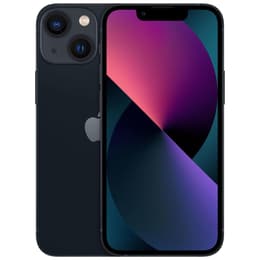
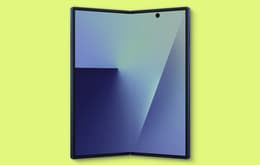
Galaxy Z Fold6 Vs iPhone 13 mini

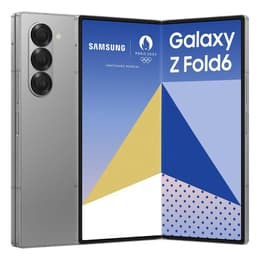
Galaxy Z Fold6
Galaxy Z Fold6
Starting at

Refurbished price:£524.00

Versus £1,685.59 new

See options
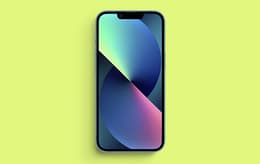
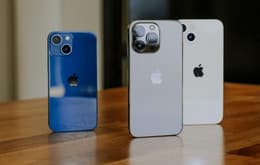
iPhone 13 mini
iPhone 13 mini
Starting at

Refurbished price:£186.00

Versus £649.00 new

See options

Ratings

The Samsung Galaxy Z Fold6 (2024) and the Apple iPhone 13 Mini (2021) represent two polar opposite philosophies in the smartphone market. While the Galaxy Z Fold6 is a cutting-edge foldable device designed for multitasking and expansive viewing, the iPhone 13 Mini is a compact, traditional smartphone built for one-handed use and portability. The Galaxy runs on Android with a focus on customisation, whereas the iPhone uses iOS, known for its streamlined interface and ecosystem integration. Choosing between them involves deciding between a pocketable classic and a versatile, tablet-like experience.

Scores

Durability

The release dates of these devices significantly impact their expected software support and physical longevity.

  • Software Support: The Galaxy Z Fold6, launched in 2024, is expected to receive operating system and security updates for seven years, ensuring it remains current well into the next decade. In contrast, the iPhone 13 Mini, released in 2021, typically receives five to six years of support, meaning its update cycle may conclude sooner.
  • Physical Resilience: The iPhone 13 Mini features a traditional glass and aluminium build that is well-understood for repairs. The Galaxy Z Fold6 uses a complex hinge mechanism and a flexible internal screen; while Samsung has improved the durability of these components, the moving parts introduce different long-term maintenance considerations.
  • Repairability: Standard smartphones like the iPhone 13 Mini are generally more straightforward to service at independent shops, whereas the specialised nature of foldable screens often requires manufacturer-specific tools and parts.

Year of Release

2024

2021

Compatible with latest Update

Yes

Yes

OS

Android

iOS

Foldable

Yes

No

Performance

Performance on these devices is tailored to their specific form factors, with one prioritising heavy workloads and the other focusing on efficient daily tasks. Opting for a sustainable choice through a quality-assured refurbished option allows users to access these high-performance internals while supporting a circular economy.

  • Multitasking and Speed: The Galaxy Z Fold6 is built for intensive use, allowing users to run three apps simultaneously on its large screen without lag. The iPhone 13 Mini remains responsive for everyday apps and social media, though its smaller memory capacity means it may close background apps more frequently than the Samsung.
  • Battery Endurance: Due to its size, the iPhone 13 Mini has a smaller battery that typically requires a mid-day charge for heavy users. The Galaxy Z Fold6 houses a much larger battery system designed to power its dual displays, generally lasting through a full day of mixed usage.
  • Storage Capacity: Both devices offer various internal storage tiers, but the Galaxy Z Fold6 starts with higher base storage, catering to users who store large files or high-resolution media locally.

Memory (GB)

12 GB

4 GB

Screen quality

The display experience is the most significant differentiator, moving from a compact, traditional screen to a massive, folding canvas.

  • Display Technology: Both phones use OLED technology, providing deep blacks and high contrast. However, the Galaxy Z Fold6 features a 120Hz refresh rate, making scrolling and animations appear much smoother than the standard 60Hz screen on the iPhone 13 Mini.
  • Screen Real Estate: The iPhone 13 Mini offers a 5.4-inch display that is easy to navigate with one thumb. The Galaxy Z Fold6 provides a 6.3-inch outer screen for quick tasks and unfolds to a 7.6-inch internal display, which is better suited for watching videos or reading documents.
  • Outdoor Visibility: The Galaxy Z Fold6 is designed with high peak brightness, making it easier to read under direct sunlight compared to the iPhone 13 Mini, which, while clear, does not reach the same levels of luminance.

Resolution

1856 x 2160

1080 x 2340

Screen type

Foldable Dynamic LTPO AMOLED 2X

Super Retina XDR OLED

Audiovisual

Photography and media consumption vary greatly due to the physical space available for camera hardware and speakers.

  • Camera Versatility: The Galaxy Z Fold6 includes a dedicated telephoto lens for optical zooming, which the iPhone 13 Mini lacks. This allows the Samsung to take clearer photos of distant objects, while the iPhone relies on digital cropping.
  • Video and Audio: Both devices record high-quality 4K video with excellent stabilisation. For audio, the Galaxy Z Fold6 features a dual-speaker system that provides a wider soundstage for movies, whereas the iPhone 13 Mini’s speakers are clear but limited by the device's small physical footprint.
  • Selfie Capabilities: The iPhone 13 Mini uses a traditional notch for its front camera, producing consistent results. The Galaxy Z Fold6 offers a unique under-display camera on the inner screen for an uninterrupted view, though it also has a standard punch-hole camera on the cover for higher-quality self-portraits.

Main camera

50 megapixels

12 megapixels

Front camera

4 megapixels

12 megapixels

Miscellaneous

Practical handling and connectivity features define how these devices feel in the hand and integrate with other hardware.

  • Portability and Weight: The iPhone 13 Mini is notably light and thin, making it almost unnoticeable in a pocket. The Galaxy Z Fold6 is significantly heavier and thicker, especially when folded, which may be a consideration for those who prefer lightweight gear.
  • Connectivity and Ports: The Galaxy Z Fold6 uses the universal USB-C standard for charging and data transfer, while the iPhone 13 Mini uses the proprietary Lightning port. Both support 5G networks for fast mobile data and include modern Wi-Fi and Bluetooth standards.
  • Biometrics and Input: Samsung uses a fingerprint sensor built into the power button, which is convenient for many users. Apple uses Face ID, which scans the user's face for secure unlocking. Additionally, the Galaxy Z Fold6 supports a stylus for note-taking, a feature not available on the iPhone.

Weight

239 g

140 g

Screen size (in)

7.6

5.4

Mobile network

5G

5G

SIM card

Dual Physical SIM + eSIM

Physical SIM + eSIM

Carrier compatibility

Unlocked

Unlocked

User feedback highlights the distinct roles these devices play. Owners of the Galaxy Z Fold6 often praise the expansive screen and the ability to leave their tablet at home, though some find the folded thickness cumbersome for tight pockets. Conversely, iPhone 13 Mini users frequently express loyalty to its small form factor, noting it is one of the last truly compact powerful phones, even if they have to manage their battery usage more carefully throughout the day.

Users who prioritise productivity, large-scale media consumption, and long-term software support will likely find the Galaxy Z Fold6 aligns with their needs. Those who value portability, ease of one-handed use, and a simple interface may lean toward the iPhone 13 Mini. For those looking to make an eco-friendly alternative, choosing a refurbished model is a practical way to acquire these devices. Ultimately, the decision rests on whether you prefer a device that expands your digital workspace or one that fits seamlessly into the palm of your hand.

See all articles

Our recent comparisons