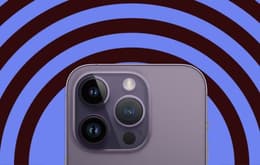
Galaxy A15 Vs iPhone 14 Pro

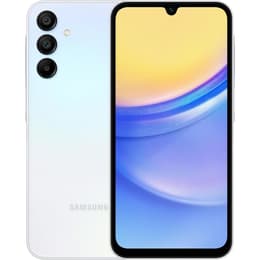
Galaxy A15
Galaxy A15
Starting at

Refurbished price:£88.00

Versus £169.00 new

See options
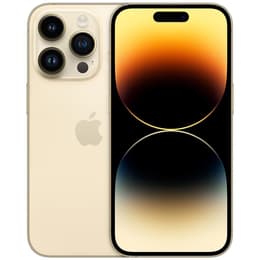
iPhone 14 Pro
iPhone 14 Pro
Starting at

Refurbished price:£304.00

Versus £1,099.00 new

See options

Ratings

The Samsung Galaxy A15 (2024) and the iPhone 14 Pro (2022) represent two distinct tiers of the smartphone market, catering to different user priorities and ecosystems. While the Galaxy A15 is a modern entry-level device designed for essential daily tasks and longevity, the iPhone 14 Pro is a high-performance flagship that introduced significant hardware and software innovations. The Galaxy A15 runs on Android with Samsung's One UI, offering a customisable experience, whereas the iPhone 14 Pro utilises iOS, known for its streamlined interface and deep integration with other Apple services.

Choosing between these two involves weighing the benefits of a newer, battery-focused device against a slightly older but more powerful professional-grade smartphone. This comparison explores how each device handles real-world usage, from screen clarity and photography to long-term software support and physical durability.

Scores

Durability

The expected lifespan of these devices is influenced by their release dates and the commitment of their respective manufacturers to software maintenance.

  • Software Support: The Galaxy A15 was released in early 2024 and comes with a promise of four generations of Android OS updates and five years of security patches, ensuring it remains functional until 2029. The iPhone 14 Pro, launched in late 2022, typically receives six to seven years of iOS updates, meaning it is likely to remain current until approximately 2028 or 2029 as well.
  • Build Durability: The iPhone 14 Pro features a stainless steel frame and Ceramic Shield glass, providing high resistance to drops and scratches, alongside an IP68 rating for water and dust protection. In contrast, the Galaxy A15 uses a plastic frame and back, which is resilient against shattering but lacks a formal water resistance rating, requiring more careful handling in wet environments.
  • Repairability: Samsung has designed the A15 with a focus on straightforward component access, making battery replacements relatively simple for technicians. The iPhone 14 Pro has a more complex internal structure, though its popularity ensures that parts and professional repair services are widely available for those looking to extend the device's life.

Year of Release

2023

2022

Compatible with latest Update

Yes

Yes

OS

Android

iOS

Foldable

No

No

Performance

Performance differences between these two models are most apparent when moving from basic navigation to intensive multitasking or high-end gaming.

  • Daily Responsiveness: The Galaxy A15 is well-suited for standard activities like web browsing, social media, and messaging, though users may notice slight pauses when switching between many open apps. The iPhone 14 Pro, as a quality-assured refurbished option, provides a much faster experience, handling demanding tasks like 4K video editing and high-fidelity gaming without hesitation or lag.
  • Battery Endurance: With a large 5,000mAh battery, the Galaxy A15 is built to last through two days of light use or a full day of heavy activity. The iPhone 14 Pro has a smaller physical battery capacity but benefits from highly efficient power management, typically lasting a full day for most users, though it may require a top-up during evening hours if used heavily for navigation or video.
  • Storage and Multitasking: The Galaxy A15 offers flexible storage through a microSD card slot, allowing users to expand space for photos and files easily. The iPhone 14 Pro does not support expandable storage but offers higher internal capacities and more efficient memory management, which keeps background apps ready for instant use.

Memory (GB)

4 GB

6 GB

Screen quality

Both smartphones feature high-quality display technology, but they differ significantly in terms of brightness, smoothness, and advanced features.

  • Display Technology: The Galaxy A15 uses a Super AMOLED screen that provides deep blacks and vibrant colours, making it excellent for watching videos. The iPhone 14 Pro features an LTPO OLED display, which allows for an Always-On feature that shows the time and notifications even when the screen is technically off, without significantly draining the battery.
  • Motion and Clarity: The iPhone 14 Pro offers a 120Hz refresh rate, which makes scrolling and animations appear exceptionally fluid. The Galaxy A15 provides a 90Hz refresh rate, which is smoother than standard screens but does not quite match the seamless feel of the iPhone's ProMotion technology.
  • Outdoor Visibility: For use in direct sunlight, the iPhone 14 Pro can reach very high brightness levels, ensuring the screen remains legible even on the brightest days. The Galaxy A15 is clear enough for most outdoor conditions but may require some shading or higher manual brightness settings in intense midday sun.

Resolution

1080 x 2340

1179 x 2556

Screen type

Super AMOLED

LTPO Super Retina XDR OLED

Audiovisual

The camera systems on these devices are designed for different levels of photographic intent, from casual snapshots to professional-style content creation.

  • Versatility: The iPhone 14 Pro features a triple-lens system including a dedicated telephoto lens for 3x optical zoom, allowing for clear close-ups from a distance. The Galaxy A15 also has three lenses, but it lacks a telephoto option, instead using a macro lens for very close-up shots of small objects and an ultra-wide lens for landscapes.
  • Image Processing: In daylight, both phones take clear and detailed photos. However, the iPhone 14 Pro excels in low-light environments and high-contrast scenes, using advanced sensors to pull more detail out of shadows and reduce graininess in night-time shots.
  • Video and Audio: The iPhone 14 Pro is widely regarded for its stable video recording and features like Cinematic mode, which adds a blurred background effect to videos. The Galaxy A15 records reliable video for social sharing, but it lacks the advanced stabilisation and high-fidelity microphone arrays found in the iPhone, which capture more nuanced sound during recordings.

Main camera

50 megapixels

48 megapixels

Front camera

13 megapixels

12 megapixels

Miscellaneous

Practical design choices and connectivity options further distinguish how these two devices fit into a user's daily routine.

  • Physical Handling: The Galaxy A15 is slightly larger and taller, weighing 200 grams, which provides a substantial feel and a larger canvas for typing. The iPhone 14 Pro is more compact but weighs 206 grams due to its denser stainless steel construction, making it feel heavier in the hand despite its smaller dimensions of 147.5mm by 71.5mm.
  • Ports and Biometrics: The Galaxy A15 includes a universal USB-C port for charging and a traditional 3.5mm headphone jack, which is useful for those who prefer wired audio. The iPhone 14 Pro uses a Lightning port and relies on FaceID for secure unlocking, whereas the Galaxy A15 uses a fingerprint sensor built into the side power button.
  • Connectivity: Both devices support 5G for fast mobile data, but the iPhone 14 Pro includes more advanced Wi-Fi standards and satellite connectivity for emergency situations. The Galaxy A15 maintains a strong connection for everyday streaming and browsing but lacks the specialised sensors like the LiDAR scanner found on the iPhone.

Weight

200 g

206 g

Screen size (in)

6.5

6.1

Mobile network

4G

5G

SIM card

Dual Physical SIM

Physical SIM + eSIM

Carrier compatibility

Unlocked

Unlocked

The choice between the Galaxy A15 and the iPhone 14 Pro depends largely on whether a user prioritises modern essentials or high-end performance. User consensus on forums like Reddit suggests that the Galaxy A15 is frequently praised for its impressive battery life and the inclusion of a headphone jack, though some users note that the plastic build and slower charging speeds are noticeable trade-offs. Conversely, the iPhone 14 Pro receives high marks for its exceptional camera system and the convenience of the Dynamic Island, while some owners find the device's weight and the transition away from the Lightning port in newer models to be points of discussion.

Users who prioritise a large screen, long-lasting battery, and the flexibility of expandable storage will find the Galaxy A15 well-suited to their needs. It is an ideal choice for those who want a reliable, modern smartphone for communication and media consumption without unnecessary complexity. On the other hand, users who require a powerful tool for photography, high-end gaming, or professional multitasking may lean toward the iPhone 14 Pro. Choosing this model as a sustainable choice through refurbishment allows users to access flagship features while supporting a more circular economy. Ultimately, both devices offer strong software support timelines, ensuring they remain useful and secure for several years to come.


See all articles

Our recent comparisons