Compare models
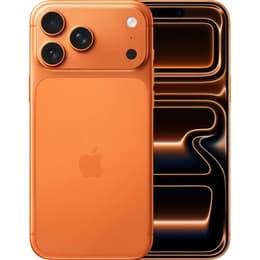
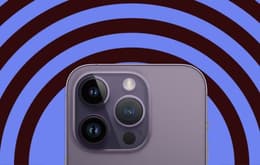
iPhone 14 Pro Vs iPhone 17 Pro Max
- 1-year minimum warranty
- Free delivery on all items
- Free 30-day returns
Differences at a glance
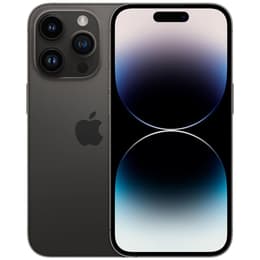
The iPhone 14 Pro (2022) and the iPhone 17 Pro Max (2025) represent two distinct generations of Apple's high-end smartphone family. While both devices run on the iOS operating system and target users seeking advanced capabilities, they differ significantly in physical scale, processing generations, and overall feature sets. These variations shape how each device fits into everyday routines.
Available Models
Colour
Storage (GB)
Scores
Durability
When evaluating hardware longevity and support timelines, both models offer reliable software updates, though their launch years create a natural gap in active support windows.
- Release timeline: The iPhone 14 Pro arrived in 2022, whereas the iPhone 17 Pro Max launched in 2025, giving the newer model a three-year advantage in its active software support lifecycle.
- Software updates: Both devices receive regular operating system upgrades, but the iPhone 17 Pro Max will maintain manufacturer support for several more years into the future.
- Expected lifespan: Solid build quality ensures both options endure years of daily use, with the quality-assured refurbished option providing a sustainable choice that extends device longevity.
Year of Release
2022
2025
Compatible with latest Update
Yes
Yes
OS
iOS
iOS
Foldable
No
No
Performance
Daily usage dynamics vary between the two devices based on internal component advancements and memory capacity.
- Multitasking and memory: The iPhone 17 Pro Max features expanded memory that enables smoother handling of intensive background tasks and rapid switching between demanding applications compared to the iPhone 14 Pro.
- Processing capability: Everyday actions, navigation, and gaming load swiftly on both smartphones, though the newer processor in the iPhone 17 Pro Max provides added efficiency during prolonged heavy workloads.
- Battery behavior: The larger physical footprint of the iPhone 17 Pro Max houses a high-capacity battery that easily sustains intensive full-day usage, while the more compact iPhone 14 Pro requires routine charging by evening for active users.
Screen quality
Visual experiences differ substantially due to screen dimensions and technological refinements implemented across generations.
- Display size and immersion: The iPhone 17 Pro Max provides a sprawling 6.9-inch display that accommodates media consumption and document viewing, while the iPhone 14 Pro uses a more pocket-friendly 6.1-inch panel.
- Brightness and clarity: Both models utilize vibrant OLED panels with high peak brightness levels for outdoor readability, though newer display layers on the iPhone 17 Pro Max offer enhanced reflection control.
- Refresh rate smoothness: Both screens support adaptive high refresh rates for fluid scrolling and responsive touch interactions during everyday navigation.
Resolution
1179 x 2556
2868x1320
Screen type
LTPO Super Retina XDR OLED
Super Retina XDR
Audiovisual
Imaging hardware and media output capabilities reflect years of hardware evolution between the two releases.
- Camera versatility: The iPhone 17 Pro Max incorporates triple high-resolution sensors across its main, ultra-wide, and telephoto lenses, capturing fine detail compared to the triple-lens arrangement on the iPhone 14 Pro.
- Low-light performance: Advanced light-gathering sensors on the newer model preserve clarity and reduce noise in dim environments.
- Audio and video recording: Both devices deliver stable video capture and clear microphone input for calls, with the iPhone 17 Pro Max adding refined stabilization options for professional-grade recording.
Main camera
48 megapixels
48 megapixels
Front camera
12 megapixels
18 megapixels
Miscellaneous
Physical handling, connectivity, and build materials introduce notable differences in daily ergonomics.
- Dimensions and weight: The iPhone 14 Pro offers a compact, heavier-per-inch feel in a smaller form factor, whereas the iPhone 17 Pro Max spans a wider and heavier physical footprint designed for two-handed use.
- Connector types: The iPhone 17 Pro Max utilizes the universal USB-C standard for charging and data transfer, while the iPhone 14 Pro relies on Apple's proprietary Lightning port.
- Connectivity standards: The newer model includes updated wireless standards and cellular modems for faster connection stability in crowded networks.
Weight
150 g
233 g
Screen size (in)
6.1
6.9
Mobile network
5G
5G
SIM card
eSIM
Physical SIM + eSIM
Carrier compatibility
Unlocked
Unlocked
Connector
Lightning
USB-C
What the community thinks
User feedback from online communities highlights distinct preferences for each device based on physical size and workflow requirements. Owners of the iPhone 14 Pro frequently praise its compact one-handed usability and reliable core performance, though some note that battery capacity diminishes over extended years of heavy use. Conversely, users of the iPhone 17 Pro Max consistently commend its exceptional battery longevity and expansive display estate, though its large dimensions and heavier weight receive occasional mentions from those preferring pocket-friendly devices.
Users prioritizing a compact form factor that is easy to handle with one hand will find the iPhone 14 Pro well-suited to their daily routine. Meanwhile, users prioritizing maximum screen space for media and extended battery life for all-day productivity will lean toward the iPhone 17 Pro Max. Selecting either model as an eco-friendly refurbished alternative allows consumers to make a sustainable choice without compromising on operational capability.