
Galaxy A36 Vs iPhone 14 Pro Max

Galaxy A36
Galaxy A36
Starting at

Refurbished price:£206.00

Versus £369.00 new

See options
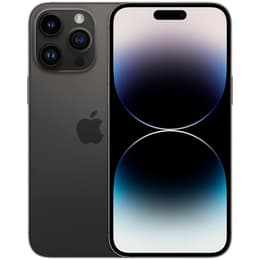
iPhone 14 Pro Max
iPhone 14 Pro Max
Starting at

Refurbished price:£325.00

Versus £1,199.00 new

See options

Ratings

The Samsung Galaxy A36, released in March 2025, and the iPhone 14 Pro Max, launched in September 2022, represent distinct approaches to smartphone design and functionality. While the Galaxy A36 operates on the Android platform, offering a user experience centered around customization and open-source flexibility, the iPhone 14 Pro Max runs on Apple's iOS, known for its integrated ecosystem and streamlined interface. The primary differences lie in their core performance capabilities, camera systems, and the overall software environment each provides.

Scores

Durability

When considering the long-term usability of these devices, their release timelines and software support policies are key factors. The Galaxy A36, being a more recent release, benefits from a longer guaranteed software support period from Samsung, while the iPhone 14 Pro Max, though older, still receives consistent updates from Apple.

  • Software Longevity: The Samsung Galaxy A36 is expected to receive six years of OS upgrades and six years of security updates, offering extended software relevance. The iPhone 14 Pro Max, released earlier, typically receives five to six years of major iOS updates from its launch date, with security updates often continuing beyond that.
  • Physical Durability: The Galaxy A36 features an IP67 rating for dust and water resistance, along with Gorilla Glass Victus+ for screen protection. The iPhone 14 Pro Max boasts an IP68 rating and is protected by Apple's Ceramic Shield on the front, coupled with a surgical-grade stainless steel frame.
  • Repairability: While specific repairability scores can vary, both devices are designed with modern smartphone construction, which often involves specialized tools and expertise for repairs. Users seeking to extend the life of their device might consider quality-assured refurbished options for either model.

Year of Release

2025

2022

OS

Android

iOS

Foldable

No

No

Performance

The performance of a smartphone impacts everything from app responsiveness to multitasking efficiency. The Galaxy A36 and iPhone 14 Pro Max offer different levels of processing power and memory configurations, catering to varying user demands.

  • Processing Power: The Galaxy A36 is equipped with a Qualcomm Snapdragon 6 Gen 3 processor, which provides solid performance for everyday tasks, social media, streaming, and light gaming. The iPhone 14 Pro Max features Apple's A16 Bionic chip, delivering exceptional speed and efficiency for demanding applications, intensive gaming, and complex video editing.
  • Multitasking and Storage: The Galaxy A36 is available with 6GB, 8GB, or 12GB of RAM and storage options of 128GB or 256GB, without expandable storage. The iPhone 14 Pro Max comes with 6GB of RAM and offers a wider range of storage capacities, from 128GB up to 1TB.
  • Battery Performance: The Galaxy A36 houses a 5000mAh battery, supporting 45W fast charging, and generally offers long battery life for typical daily use. The iPhone 14 Pro Max, with its 4323mAh battery, is known for its impressive endurance, often providing extended usage even for heavy users.

Memory (GB)

6 GB

6 GB

Screen quality

The visual experience is a significant aspect of smartphone usage, and both devices offer large, vibrant displays with distinct characteristics.

  • Display Technology and Size: Both phones feature a 6.7-inch display. The Galaxy A36 utilizes a Super AMOLED panel, known for its vibrant colors and deep blacks. The iPhone 14 Pro Max features a Super Retina XDR OLED display, which also provides rich colors and excellent contrast.
  • Resolution and Clarity: The Galaxy A36 has a Full HD+ resolution of 2340x1080 pixels. The iPhone 14 Pro Max offers a slightly higher resolution of 2796x1290 pixels, resulting in a sharp visual experience.
  • Brightness and Smoothness: The Galaxy A36's display offers a 120Hz refresh rate and can reach a peak brightness of 1900 nits (1200 nits HBM). The iPhone 14 Pro Max also features a 120Hz ProMotion display that can adapt its refresh rate from 1Hz to 120Hz for power efficiency and smoothness, with a typical brightness of 1000 nits and a peak outdoor brightness of 2000 nits.

Resolution

1080 x 2340

1290 x 2796

Audiovisual

For many users, the camera system is a crucial component of a smartphone. Both the Galaxy A36 and iPhone 14 Pro Max offer versatile camera setups, though with different strengths and features.

  • Rear Camera System: The Galaxy A36 includes a triple rear camera setup with a 50MP main sensor (with optical image stabilization), an 8MP ultrawide lens, and a 5MP macro lens. It supports 4K video recording at 30 frames per second. The iPhone 14 Pro Max features a more advanced triple camera system, including a 48MP main sensor (which uses pixel binning for 12MP photos but can capture full 48MP ProRAW images), a 12MP ultrawide, and a 12MP telephoto lens with 3x optical zoom. It offers 4K video recording up to 60 frames per second, along with advanced features like Cinematic Mode and Action Mode.
  • Front Camera: The Galaxy A36 has a 12MP front-facing camera capable of 4K video recording. The iPhone 14 Pro Max also features a 12MP front camera with autofocus and 4K video recording at 60 frames per second.
  • Photography Performance: The Galaxy A36's cameras produce vivid shots, with colors that can appear oversaturated, a characteristic often associated with Samsung's processing. The iPhone 14 Pro Max is recognized for its consistent image quality across lenses, improved low-light performance, and natural-looking images.

Front camera

12

12 megapixels

Miscellaneous

Beyond the core features, several practical elements contribute to the overall user experience and differentiate these two smartphones.

  • Connectivity and Ports: Both devices support 5G connectivity. The Galaxy A36 uses a USB-C port for charging and data transfer. The iPhone 14 Pro Max uses Apple's proprietary Lightning port.
  • Biometric Security and Sensors: The Galaxy A36 features an in-display fingerprint sensor for secure unlocking. The iPhone 14 Pro Max relies on Face ID for biometric authentication, utilizing its advanced TrueDepth camera system. The iPhone also includes a LiDAR scanner for enhanced augmented reality experiences and improved low-light focusing.
  • Design and Handling: The Galaxy A36 has dimensions of 162.9 x 78.2 x 7.4 mm and weighs 195g, featuring a glass back and a generally slim profile. The iPhone 14 Pro Max is slightly larger and heavier at 160.7 x 77.6 x 7.85 mm and 240g, with a stainless steel frame. Users often note the iPhone 14 Pro Max's substantial feel and weight.

Weight

195 g

120 g

Screen size (in)

6,74

6.7

Mobile network

5G

5G

SIM card

Dual Physical SIM + eSIM

Physical SIM + eSIM

Carrier compatibility

Unlocked

Unlocked

Connector

USB-C

Lightning

The Samsung Galaxy A36 and iPhone 14 Pro Max cater to different user preferences and priorities. Users generally praise the Galaxy A36 for its strong everyday performance, impressive battery life, bright display, and Samsung's commitment to long-term software support. Some users have noted that while it handles daily tasks well, it may not be ideal for heavy gaming or intensive multitasking, and some initial heating concerns were reported but later addressed by updates.

The iPhone 14 Pro Max receives consistent acclaim for its exceptional performance, stellar battery life, and advanced camera system. Its smooth iOS experience and the innovative Dynamic Island are frequently highlighted as positive aspects. However, some users find its size and weight to be considerable, and the iOS notification system can be a point of criticism for those accustomed to Android.

Users prioritizing an extended software support timeline, a customizable Android experience, and a slightly lighter device for general use and moderate tasks may find the Galaxy A36 well-suited to their needs. Conversely, those who value top-tier performance for demanding applications, a highly refined camera system with advanced video capabilities, and the integrated ecosystem of iOS will likely lean towards the iPhone 14 Pro Max. Both devices offer robust features, and choosing between them often comes down to individual preferences for operating system, performance demands, and design aesthetics. Exploring quality-assured refurbished options for either model can provide an eco-friendly alternative for making an informed and sustainable choice.


See all articles

Our recent comparisons