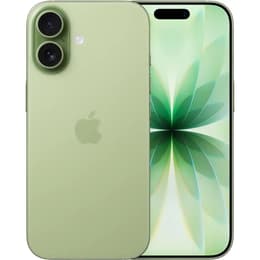

Compare models
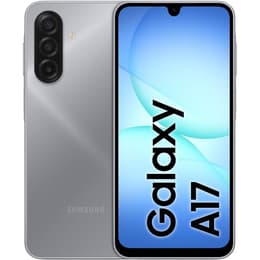
Galaxy A17 Vs iPhone 17
- 1-year minimum warranty
- Free delivery on all items
- Free 30-day returns
Differences at a glance
The Samsung Galaxy A17 (2025) and the Apple iPhone 17 (2025) represent two distinct approaches to modern smartphone design, catering to different operating systems and user preferences. While both devices serve as reliable everyday companions, they differ significantly in their software ecosystems, processing capabilities, and overall hardware philosophy. Choosing between them depends largely on whether you prefer the open customization of Android or the integrated ecosystem of iOS.
Available Models
Colour
Storage
Scores
Durability
When evaluating hardware longevity and software support, both smartphones offer robust lifespans backed by extended manufacturer commitments.
- Software Support Duration: The Samsung Galaxy A17 provides an unusually long update window for its device class, while the iPhone 17 benefits from Apple's traditionally extended iOS support lifecycle.
- Build Durability: The iPhone 17 incorporates advanced scratch-resistant screen protection and high-end water resistance ratings, whereas the Galaxy A17 relies on standard glass protection and basic splash resistance.
- Repairability: Both manufacturers offer structured repair channels, making quality-assured refurbished options a sustainable choice for environmentally conscious consumers looking to extend device utility.
Year of Release
2025
2025
OS
Android
iOS
Foldable
No
No
Performance
Performance capabilities vary notably between the two models, reflecting their respective hardware tiers and intended use cases.
- Multitasking and Responsiveness: The iPhone 17 handles demanding applications, intense mobile gaming, and complex background tasks with ease, while the Galaxy A17 comfortably manages everyday messaging, web browsing, and casual apps.
- Storage Configurations: The iPhone 17 starts with higher base storage capacities, whereas the Galaxy A17 offers flexible expandable storage via a microSD card slot.
- Battery Behavior: Both devices manage daily power consumption efficiently, though heavy media users will notice distinct thermal and battery drain patterns depending on their daily workloads.
Screen quality
Display technology on both smartphones delivers crisp visuals, though they utilize different panel types and refresh rate implementations.
- Panel Technology: The Galaxy A17 features a vibrant Super AMOLED display with deep contrast levels, while the iPhone 17 utilizes an advanced OLED screen equipped with adaptive high refresh rate technology.
- Outdoor Visibility: Both displays offer adequate brightness levels for clear outdoor readability under direct sunlight, though peak brightness varies during HDR video playback.
- Viewing Smoothness: The iPhone 17 provides fluid scrolling through dynamic refresh rate adjustments, while the Galaxy A17 maintains a steady fixed refresh rate suitable for general navigation.
Resolution
1080x2340
2622x1206
Audiovisual
Multimedia capture and audio output cater to different levels of content creation and media consumption.
- Camera System Versatility: The iPhone 17 features high-resolution dual sensors capable of detailed wide and ultra-wide photography, compared to the Galaxy A17's simpler multi-lens configuration equipped with optical image stabilization.
- Video Recording: Apple's device offers advanced cinematic stabilization and professional-grade video formats, whereas Samsung provides reliable everyday video capture for social sharing.
- Audio Output: Both models deliver clear stereo sound for calls and media playback, though neither includes a traditional headphone jack.
Front camera
50MP
18 megapixels
Miscellaneous
Practical daily usability elements highlight physical and connectivity differences between the two handsets.
- Connectivity Standards: Both smartphones support modern 5G networks, fast Wi-Fi protocols, and Bluetooth connectivity for wireless accessories.
- Physical Dimensions: The Galaxy A17 features a larger overall footprint with a spacious screen, while the iPhone 17 offers a more compact, pocket-friendly unibody design.
- Authentication: Samsung relies on side-mounted fingerprint recognition and facial scanning, whereas Apple utilizes advanced face mapping technology for security.
Weight
192 g
177 g
Screen size (in)
6.7
6.3
Mobile network
5G
5G
SIM card
Dual Physical SIM
Dual Physical SIM
Carrier compatibility
Unlocked
Unlocked
Connector
USB-C
USB-C
What the community thinks
User feedback on community forums highlights distinct preferences for each device. Owners of the Samsung Galaxy A17 frequently praise its reliable battery life, expansive display, and extended software update policy relative to its class. Conversely, iPhone 17 users commonly commend its high system responsiveness, premium camera output, and seamless integration with other Apple hardware. Some critics note that the Galaxy A17 lacks advanced processing headroom for heavy 3D gaming, while certain users find the iPhone ecosystem less flexible for custom file management.
Users prioritizing long-term software support on an Android platform may prefer the Galaxy A17, while users prioritizing top-tier processing power and advanced camera tools will lean toward the iPhone 17. Evaluating your daily workflow, preferred operating system, and hardware priorities will guide your final decision. Exploring a quality-assured refurbished option provides an eco-friendly alternative that minimizes environmental impact while delivering fully tested hardware performance.