
Compare models
Galaxy Z Fold4 Vs iPhone Air
- 1-year minimum warranty
- Free delivery on all items
- Free 30-day returns
Differences at a glance
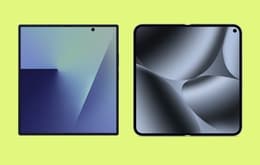
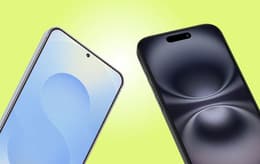
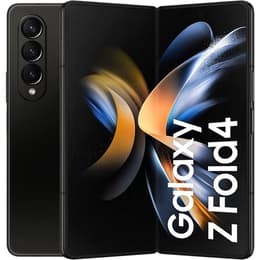
The Samsung Galaxy Z Fold4 (2022) and the Apple iPhone Air (2025) represent two entirely different directions in modern mobile engineering, contrasting a dual-screen foldable layout with an ultra-slim slate design. While the Galaxy Z Fold4 relies on Android to drive a tablet-sized inner workspace, the iPhone Air prioritizes a lightweight, minimalist aluminum-and-glass profile powered by iOS. These structural differences define distinct everyday user experiences.
Available Models
Colour
Storage
Scores
Durability
When evaluating hardware longevity and long-term viability, both devices approach software support and physical endurance through distinct manufacturing standards.
- Software longevity: The iPhone Air benefits from a newer release date and extended operating system support windows, whereas the Galaxy Z Fold4 operates on an established update schedule tracing back to its 2022 launch.
- Physical durability: The Galaxy Z Fold4 incorporates a complex hinge mechanism and foldable inner screen requiring careful handling, while the iPhone Air features a rigid, ultra-thin slate construction reinforced with durable exterior glass.
- Repairability: Both models require specialized technical intervention for internal component repairs due to their densely packed electronic layouts and weather-sealing adhesives.
Year of Release
2022
2025
Compatible with latest Update
Yes
Yes
OS
Android
iOS
Foldable
Yes
No
Performance
Underneath their outer shells, both smartphones manage demanding daily workflows, heavy multitasking, and intensive applications using efficient internal processing hardware.
- Multitasking capacity: The Galaxy Z Fold4 utilizes a generous amount of system memory combined with split-screen view options to run multiple demanding applications simultaneously, while the iPhone Air relies on streamlined background app management to maintain consistent system responsiveness.
- Storage configurations: Both devices offer spacious internal storage tiers starting at generous capacities, ensuring ample room for large media libraries, cached files, and heavy software programs without expandable storage slots.
- Battery behavior: The Galaxy Z Fold4's larger dual-screen setup draws notable power during tablet-mode usage, whereas the iPhone Air balances its compact battery capacity with energy-efficient hardware architecture to sustain typical daily routines.
Screen quality
Visual output represents a major point of divergence, as each handset employs a unique display methodology tailored to its physical form factor.
- Display technology: The Galaxy Z Fold4 features a foldable organic light-emitting diode inner panel that expands into a tablet layout alongside a narrower cover screen, whereas the iPhone Air deploys a traditional, vibrant single-panel organic display with deep contrast and smooth motion handling.
- Refresh rate and fluidity: Both models support high refresh rate technology, delivering seamless scrolling animations, fluid touch responsiveness, and smooth visual transitions during daily use.
- Outdoor legibility: High peak brightness capabilities on both screens ensure content remains clear and readable even under direct sunlight or bright ambient lighting conditions.
Resolution
1812 x 2176
2736x1260
Screen type
Foldable Dynamic AMOLED 2X
Super Retina XDR
Audiovisual
Imaging hardware and media playback systems are optimized differently across these two models to accommodate their contrasting physical dimensions.
- Camera systems: The Galaxy Z Fold4 equips a versatile triple-lens rear arrangement including a dedicated telephoto zoom lens, while the iPhone Air focuses on a simplified single high-resolution rear lens supported by advanced computational image processing.
- Low-light and video performance: Both smartphones capture sharp details and natural colors in challenging lighting environments, accompanied by stable video recording features for everyday capture.
- Audio output: Stereo speaker setups on both devices deliver clear sound for media consumption, hands-free calls, and casual video playback without requiring external speakers.
Main camera
50 megapixels
48 megapixels
Front camera
4 megapixels
18 megapixels
Miscellaneous
External physical characteristics and connectivity options dictate how each device integrates into daily travel and accessory ecosystems.
- Connectivity standards: Both devices support fast cellular networks, current Wi-Fi protocols, and modern Bluetooth standards for reliable peripheral pairing and data transfers.
- Port design: The Galaxy Z Fold4 relies on a standard reversible charging port, matching the modern universal connector adopted by the iPhone Air for power delivery.
- Physical handling: The Galaxy Z Fold4 offers a heavier, substantial build that folds down into a narrow profile, contrasting sharply with the remarkably light, paper-thin profile of the iPhone Air.
Weight
263 g
165 g
Screen size (in)
7.6
6.5
Mobile network
5G
5G
SIM card
Dual Physical SIM + eSIM
eSIM
Carrier compatibility
Unlocked
Unlocked
What the community thinks
User feedback from online communities highlights distinct operational praise and common criticisms for both devices. Owners of the Galaxy Z Fold4 frequently commend the expansive multitasking capabilities and the convenience of a pocket-sized tablet, though some note the heavier weight and visible crease along the folding screen. Conversely, users of the iPhone Air praise its exceptionally lightweight feel and sleek profile, while noting the absence of optical zoom lenses and a physical layout constrained by extreme thinness.
Users who prioritize multi-window productivity, reading documents on a large canvas, and flexible split-screen workflows will find the Galaxy Z Fold4 well-suited to their daily routines. Meanwhile, users who value a featherlight pocket footprint, straightforward single-hand operation, and a conventional candy-bar design will lean toward the iPhone Air. Choosing between them depends entirely on whether your workflow benefits more from a transforming dual-screen layout or a refined ultra-thin slate. Opting for a quality-assured refurbished option through platforms like Back Market provides a sustainable choice that extends device lifecycles while reducing electronic waste.