
Galaxy A25 Vs iPhone 13

Galaxy A25
Galaxy A25
Starting at

Refurbished price:£122.00

Versus £272.58 new

See options
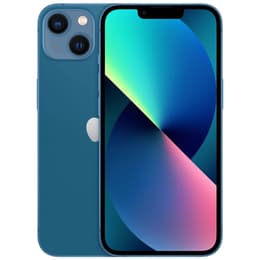
iPhone 13
iPhone 13
Starting at

Refurbished price:£204.00

Versus £599.00 new

See options

Ratings

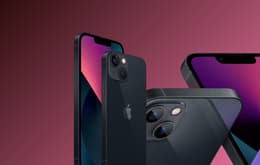
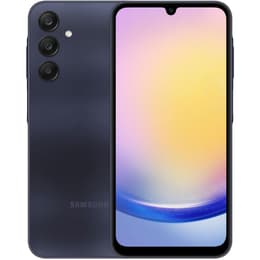
The Samsung Galaxy A25, released in early 2024, and the Apple iPhone 13, launched in late 2021, represent two distinct approaches to the modern smartphone experience. While the Galaxy A25 is a contemporary mid-range device running the Android operating system, the iPhone 13 remains a popular and powerful choice within the iOS ecosystem. These devices differ significantly in their hardware priorities, with one focusing on modern display trends and the other on consistent, high-end performance and software integration.

Choosing between these two involves looking at how a newer mid-tier phone compares to a slightly older flagship. The Galaxy A25 brings a fresh design and a high-refresh-rate screen, while the iPhone 13 offers a compact form factor and a reputation for long-term reliability. Both smartphones are designed to handle the demands of modern life, from social media and photography to productivity and entertainment, but they do so with different strengths.

Scores

Durability

The Galaxy A25 and iPhone 13 offer distinct lifespans based on their release dates and manufacturer support policies, which are crucial for long-term use.

  • Software Longevity: The iPhone 13, despite its 2021 release, typically receives software updates for six to seven years, meaning it is expected to remain current with the latest features and security patches for a significant period. The Galaxy A25 benefits from a much newer release date and a commitment to four years of major system updates, ensuring it stays relevant well into the late 2020s.
  • Build and Repair: The iPhone 13 features a glass and aluminium construction that feels sturdy and rigid, while the Galaxy A25 uses a durable plastic frame designed to withstand daily wear. Both devices are widely supported by repair services, though the Galaxy's design often simplifies certain component replacements like the screen or battery.
  • Practical Lifespan: Users can expect both phones to function reliably for several years. The iPhone 13's internals were designed for high-end use, which helps it maintain speed as it ages, while the Galaxy A25 uses modern, efficient components that are well-suited to current app requirements.

Year of Release

2023

2021

Compatible with latest Update

Yes

Yes

OS

Android

iOS

Foldable

No

No

Performance

While both phones handle daily tasks with ease, they cater to different levels of intensity and multitasking needs through their internal hardware.

  • System Responsiveness: The iPhone 13 is known for its fluid navigation and ability to run demanding applications without hesitation. Even with multiple apps open, the system remains stable and responsive. The Galaxy A25 provides a reliable experience for social media, browsing, and standard productivity apps, though it may take slightly longer to load very heavy games compared to the iPhone.
  • Battery Endurance: The Galaxy A25 is equipped with a large battery capacity that comfortably lasts through a full day of heavy use, often extending into a second day for light users. The iPhone 13 is highly efficient, managing its power well to ensure users get through a standard workday, though it may require more frequent charging during intensive media consumption or long GPS usage.
  • Storage and Multitasking: Both devices offer various storage capacities to house photos and files. The iPhone 13 manages memory efficiently to keep background tasks active, while the Galaxy A25 relies on its modern internals to provide a smooth multitasking experience for everyday Android users.

Memory (GB)

6 GB

4 GB

Screen quality

The viewing experience on these two devices highlights a choice between size and smoothness versus color precision and outdoor brightness.

  • Display Technology: The Galaxy A25 features a large 6.5-inch Super AMOLED screen that offers deep blacks and a high refresh rate of 120Hz. This makes scrolling through feeds and navigating menus feel exceptionally smooth. The iPhone 13 uses a 6.1-inch OLED display that prioritizes color accuracy and high peak brightness, making it very easy to read even in direct sunlight.
  • Visual Clarity: Both screens provide sharp images and vibrant colors suitable for streaming high-definition video. The iPhone 13's display is slightly more compact, which may appeal to those who prefer one-handed use, whereas the Galaxy A25 offers more screen real estate for watching movies or playing games.
  • Outdoor Visibility: While both perform well outdoors, the iPhone 13's screen technology is specifically designed to maintain clarity in bright environments. The Galaxy A25 also reaches high brightness levels, ensuring that maps and messages remain legible during outdoor activities like hiking or commuting.

Resolution

1080 x 2340

1170 x 2532

Screen type

Super AMOLED

Super Retina XDR OLED

Audiovisual

Photography and media consumption are handled differently by each device, reflecting their original design goals and camera systems.

  • Camera Versatility: The Galaxy A25 utilizes a triple-camera system, including a high-resolution main sensor and a dedicated ultra-wide lens for capturing expansive landscapes. The iPhone 13 features a dual-camera setup that focuses on image processing and consistency, delivering balanced photos with natural skin tones and excellent detail in various lighting conditions.
  • Video and Audio: The iPhone 13 is frequently cited for its stable video recording and clear microphone pickup, making it a preferred choice for those who record frequent video clips or video calls. The Galaxy A25 provides solid video capabilities for casual sharing and features clear speakers that deliver a balanced audio experience for podcasts and music.
  • Low-Light Performance: In darker environments, the iPhone 13 uses advanced software techniques to reduce grain and maintain detail. The Galaxy A25 also includes a dedicated night mode that helps brighten evening shots, though it may capture slightly less fine detail than the iPhone in very challenging conditions.

Main camera

50 megapixels

12 megapixels

Front camera

13 megapixels

12 megapixels

Miscellaneous

Practical features like connectivity, port types, and physical design play a significant role in the daily user experience of these smartphones.

  • Connectivity and Ports: Both smartphones support 5G networks for fast mobile data and include modern Wi-Fi and Bluetooth standards. The Galaxy A25 uses a universal USB-C port for charging and data transfer, and it uniquely retains a 3.5mm headphone jack for wired audio. The iPhone 13 uses the Lightning port and requires adapters or wireless options for headphones.
  • Security and Sensors: The iPhone 13 relies on facial recognition technology for secure unlocking, which is fast and works in most lighting. The Galaxy A25 features a fingerprint sensor integrated into the power button, offering a tactile and reliable way to access the device quickly.
  • Dimensions and Handling: The iPhone 13 is more compact and lighter, fitting easily into smaller pockets and being comfortable for long periods of one-handed use. The Galaxy A25 is larger and slightly heavier, which provides a more substantial feel and a bigger canvas for media, though it may require two hands for some tasks.

Weight

197 g

173 g

Screen size (in)

6.5

6.1

Mobile network

5G

5G

SIM card

Dual Physical SIM

Physical SIM + eSIM

Carrier compatibility

Unlocked

Unlocked

Connector

USB-C

Lightning

Choosing between the Galaxy A25 and the iPhone 13 involves weighing modern display features against long-term performance consistency. User discussions often highlight the iPhone 13 for its exceptional video quality and the seamless way it integrates with other Apple services. It is frequently praised for its longevity, with many users noting that it feels as fast today as it did at launch. On the other hand, the Galaxy A25 receives positive feedback for its smooth 120Hz display and its impressive battery life, which many find more than sufficient for a busy lifestyle. Some users have noted that while the Galaxy A25 is newer, the iPhone 13's build materials feel more robust over time.

Users who prioritize a smooth visual experience for social media and long-lasting battery performance may find the Galaxy A25 better suited to their needs. Conversely, those who value high-quality video recording, a more compact design, and a long history of reliable software updates will likely lean toward the iPhone 13. Both devices represent excellent ways to access modern mobile technology. For those looking to make a sustainable choice, opting for a quality-assured refurbished option is an eco-friendly alternative that helps reduce electronic waste while providing a reliable device. Choosing a refurbished model is a sustainable choice that supports a circular economy. Ultimately, the decision rests on whether you prefer the expansive, smooth screen of the Galaxy or the consistent, powerful performance of the iPhone.
See all articles

Our recent comparisons