

Smartphones
Compare models
Differences at a glance
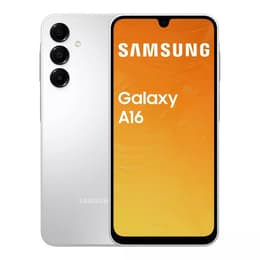
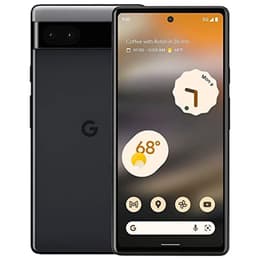
The Samsung Galaxy A16, released in late 2024 and early 2025, and the Google Pixel 6a, launched in May 2022, represent distinct approaches to the mid-range smartphone market. While both devices operate on the Android platform, they offer different strengths in terms of software longevity, processing power, and camera capabilities. The Galaxy A16 emphasizes a larger, smoother display and extended software support, whereas the Pixel 6a focuses on a compact design and advanced computational photography.
Colour
Storage
When considering the long-term usability of a smartphone, software support and physical resilience are key factors. The Galaxy A16, being a newer device, offers a significantly longer support window compared to the Pixel 6a.
Year of Release
Compatible with latest Update
OS
Foldable
The performance of these devices is influenced by their respective processors, RAM configurations, and battery capacities, impacting daily responsiveness and power management.
The visual experience on both smartphones is shaped by their display technology, size, and refresh rates, catering to different user preferences for clarity and smoothness.
Resolution
Screen type
The camera systems on the Galaxy A16 and Pixel 6a offer distinct photographic experiences, with one prioritizing sensor count and the other focusing on advanced image processing.
Main camera
Front camera
Beyond core specifications, several practical features and design elements differentiate the user experience between the Galaxy A16 and the Pixel 6a.
Weight
Screen size (in)
Mobile network
SIM card
Carrier compatibility
Connector
User feedback for the Google Pixel 6a often highlights its exceptional camera performance, particularly its computational photography features, which are praised for delivering consistent and high-quality images. Users also appreciate its compact size and the smooth, clean Android experience provided by the Tensor chip. Common criticisms include the 60Hz display refresh rate and slower charging speeds.
For the Samsung Galaxy A16, users frequently commend its large, vibrant Super AMOLED display with a 90Hz refresh rate, offering a more fluid visual experience. Its extended software support and long-lasting 5000 mAh battery are also significant praise points. However, some users note that its overall performance, while adequate for daily tasks, may not satisfy power users or those engaging in demanding mobile gaming, and its camera performance is considered competent but not outstanding.
Users prioritizing a compact device with a highly capable camera system and a pure Android experience may find the Google Pixel 6a well-suited to their needs. Its advanced image processing and robust performance for everyday tasks make it a strong contender for those who value photography and a streamlined software experience. Conversely, users who prioritize a larger, smoother display, extended software longevity, and expandable storage for media and applications may lean towards the Samsung Galaxy A16. Its substantial battery life also makes it a practical choice for those who need their device to last longer between charges.
Both devices offer compelling features within their respective segments, and considering a quality-assured refurbished option for either model can provide an eco-friendly alternative for consumers seeking reliable technology.








