
Google Pixel 6A Vs iPhone 14 Pro

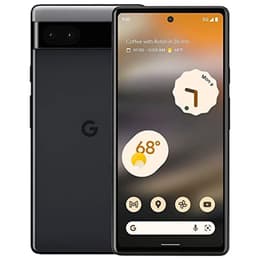
Google Pixel 6A
Google Pixel 6A
Starting at

Refurbished price:£107.00

Versus £459.00 new

See options
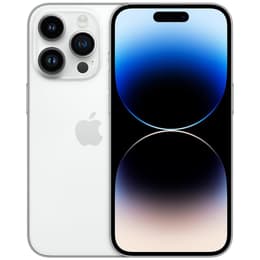
iPhone 14 Pro
iPhone 14 Pro
Starting at

Refurbished price:£304.00

Versus £1,099.00 new

See options

Ratings

The Google Pixel 6a and the iPhone 14 Pro, both released in 2022, represent two distinct approaches to the modern smartphone experience. While the Pixel 6a is designed as a streamlined device focusing on essential Google software integration and helpful AI features, the iPhone 14 Pro is a high-end flagship that introduced significant hardware advancements for the iOS ecosystem. These devices cater to different user needs, ranging from those who prefer a straightforward, compact Android experience to those seeking advanced display and camera technology.

Operating system differences are central to this comparison, with the Pixel 6a running a clean version of Android and the iPhone 14 Pro utilising Apple's iOS. This choice impacts everything from customisation options to how the device interacts with other electronics like tablets or smartwatches. Understanding the practical differences in their build, performance, and longevity will help you determine which of these 2022 models aligns best with your daily habits and long-term expectations.

Scores

Durability

When evaluating how long these devices will remain functional and secure, both manufacturers offer different timelines for software support and physical resilience. The iPhone 14 Pro generally offers a longer total lifespan in terms of software updates, while the Pixel 6a provides a reliable but shorter window for major version upgrades.

  • Software Longevity: The iPhone 14 Pro is expected to receive iOS updates for approximately six to seven years from its release, likely remaining current until 2028 or 2029. The Pixel 6a committed to three years of major Android updates and five years of security patches, meaning its primary software evolution will conclude sooner than its counterpart.
  • Build Resilience: The iPhone 14 Pro uses a stainless steel frame and a ceramic-hardened glass front, providing a sturdy feel and high resistance to structural stress. The Pixel 6a features an aluminium frame with a thermoformed plastic back, which is lighter and less prone to shattering if dropped, though it may show surface scratches more easily over time.
  • Sustainability and Repair: Both devices are designed with modern assembly techniques that require professional tools for internal access. Opting for a quality-assured refurbished option is an eco-friendly alternative that ensures these durable materials stay in use longer, reducing the environmental impact associated with manufacturing new components.

Year of Release

2022

2022

Compatible with latest Update

Yes

Yes

OS

Android

iOS

Foldable

No

No

Performance

Performance in these devices is tailored toward different intensities of use, with one focusing on efficient daily tasks and the other on high-demand creative workflows. While both handle standard applications smoothly, the gap becomes noticeable during resource-heavy activities like high-resolution video editing or intensive mobile gaming.

  • System Responsiveness: The iPhone 14 Pro utilises high-performance internal hardware that ensures apps open instantly and the interface remains fluid even when dozens of processes are running in the background. The Pixel 6a is optimised for a smooth everyday experience, handling navigation, social media, and productivity tools reliably, though it may experience slight pauses during very demanding multitasking.
  • Storage and Memory: Users requiring vast amounts of local space will find more flexibility with the iPhone 14 Pro, which offers options ranging from 128GB up to 1TB. The Pixel 6a is typically limited to a single 128GB configuration, which is sufficient for most users but may require more frequent use of cloud storage for those with large media libraries.
  • Battery Behaviour: In typical daily use, both devices are designed to last through a full day of moderate activity. The Pixel 6a manages power efficiently for standard tasks, while the iPhone 14 Pro features more advanced power-management hardware that helps maintain battery health over hundreds of charge cycles, though heavy use of the high-brightness screen will deplete it faster.

Memory (GB)

6 GB

6 GB

Screen quality

The viewing experience differs significantly between these two models, primarily due to the technology used to refresh the image and the maximum brightness levels achievable in outdoor environments. These factors influence how comfortable the screen is to use for reading, watching videos, or navigating in direct sunlight.

  • Display Fluidity: The iPhone 14 Pro features a high refresh rate display, meaning the image updates 120 times per second. This results in exceptionally smooth scrolling and animations. The Pixel 6a uses a standard 60Hz refresh rate, which provides a traditional viewing experience that is clear and functional but lacks the ultra-smooth feel of the higher-end model.
  • Outdoor Visibility: For users who frequently use their phones outside, the iPhone 14 Pro offers a much higher peak brightness, making the screen easily readable even under bright midday sun. The Pixel 6a features a vibrant OLED display with deep blacks and good colour accuracy, but it may require shading with your hand to see clearly in very bright conditions.
  • Always-On Functionality: The iPhone 14 Pro includes an always-on display feature that allows you to see the time and notifications at a glance without waking the device. The Pixel 6a also offers a basic always-on clock, but the iPhone's implementation is more integrated with the lock screen's aesthetics and widgets, providing more information without additional interaction.

Resolution

1080 x 2400

1179 x 2556

Screen type

OLED

LTPO Super Retina XDR OLED

Audiovisual

Photography and video capabilities are a major differentiator, with one device offering a versatile triple-lens system and the other focusing on high-quality automated processing from a dual-lens setup. Both excel at capturing everyday moments, but their specialised features cater to different levels of photographic interest.

  • Lens Versatility: The iPhone 14 Pro includes a dedicated telephoto lens, which allows for high-quality zoomed-in photos of distant subjects. It also features a large main sensor that captures significant detail. The Pixel 6a relies on a main and an ultra-wide lens, using sophisticated software to handle zoom, which works well for standard distances but lacks the optical reach of the iPhone.
  • Video Production: For users who record a lot of video, the iPhone 14 Pro provides advanced features like a cinematic mode that creates a blurred background effect and highly effective image stabilisation. The Pixel 6a produces clear, stable 4K video that is more than adequate for social sharing and personal memories, though it lacks the professional-grade recording formats found on the Pro model.
  • Image Processing: Google's approach with the Pixel 6a focuses on 'Real Tone' technology, which accurately represents a wide range of skin tones, and excellent HDR processing that balances bright skies and dark shadows. The iPhone 14 Pro tends to produce very sharp, detailed images with a focus on natural colours and fast shutter speeds, ensuring fewer blurry shots of moving subjects.

Main camera

12.2 megapixels

48 megapixels

Front camera

8 megapixels

12 megapixels

Miscellaneous

Practical daily interactions are shaped by the physical design and the specific sensors each manufacturer has chosen to include. From how you unlock the device to the type of cables you need for charging, these small details have a large impact on user convenience.

  • Biometric Security: The Pixel 6a uses an under-display fingerprint sensor, allowing you to unlock the phone by placing your thumb on the screen. The iPhone 14 Pro utilises FaceID, a sophisticated facial recognition system that works in various lighting conditions and is often cited by users as a seamless way to authenticate apps and payments.
  • Physical Dimensions and Handling: Both devices are relatively compact compared to modern 'Plus' or 'Ultra' models, making them easier to use with one hand. The Pixel 6a is slightly lighter due to its plastic construction, while the iPhone 14 Pro has a more substantial, weighted feel that some users associate with durability and others find tiring during long calls.
  • Connectivity and Ports: The Pixel 6a uses the universal USB-C port for charging and data transfer, which is compatible with most modern laptop and tablet chargers. The iPhone 14 Pro uses the proprietary Lightning port, meaning users within the Apple ecosystem can share cables with older iPads or AirPods, but may need different leads for other electronics.

Weight

250 g

206 g

Screen size (in)

6.1

6.1

Mobile network

5G

5G

SIM card

Physical SIM + eSIM

Physical SIM + eSIM

Carrier compatibility

Unlocked

Unlocked

Connector

USB-C

Lightning

In summary, the Google Pixel 6a and the iPhone 14 Pro serve different priorities within the smartphone market. Based on user discussions on platforms like Reddit, the Pixel 6a is frequently praised for its compact size and its ability to take high-quality photos that rival much more expensive devices. However, some users have noted that the fingerprint sensor can occasionally be less responsive than traditional physical buttons. The iPhone 14 Pro receives consistent acclaim for its exceptionally bright and smooth display, as well as its video recording capabilities, though some owners find the camera bump quite large and the device's weight noticeable in a pocket.

Users who prioritise a straightforward, lightweight Android experience with excellent automated photography will find the Pixel 6a well-suited to their needs. It is an ideal choice for those who want a functional device that handles the essentials without unnecessary complexity. Conversely, users who require advanced tools for video creation, a highly fluid screen for gaming, or a device that will receive software updates for the longest possible time may lean toward the iPhone 14 Pro. Its robust build and advanced sensor array cater to those who use their smartphone as a primary creative and productivity tool.

Both smartphones remain highly capable years after their initial launch. Choosing a quality-assured refurbished option for either model is a sustainable choice that provides a high-performance device while contributing to a more circular economy. Ultimately, the decision rests on whether you value the customisation and simplicity of Google's software or the advanced hardware features and long-term support of Apple's flagship ecosystem. Both devices offer a reliable, modern experience for any user looking to balance functionality with longevity.


See all articles

Our recent comparisons