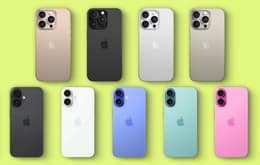
iPhone 15 Vs iPhone 16 Plus

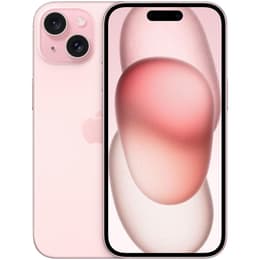
iPhone 15
iPhone 15
Starting at

Refurbished price:£326.00

Versus £699.00 new

See options
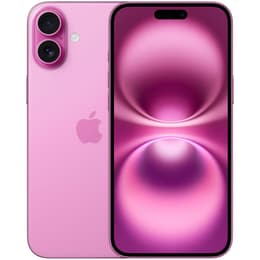
iPhone 16 Plus
iPhone 16 Plus
Starting at

Refurbished price:£503.46

Versus £799.00 new

See options

Ratings

The iPhone 15, launched in 2023, and the iPhone 16 Plus, released in 2024, represent two distinct generations of Apple’s smartphone technology. While they share a similar design language and core software experience, the iPhone 16 Plus introduces significant hardware updates and a larger form factor. Both devices run the iOS operating system, ensuring a familiar interface, but the newer model is equipped with hardware specifically designed to handle the next generation of software features. This comparison explores the practical differences between a standard-sized flagship and its larger, more recent successor to help you determine which device best aligns with your lifestyle and priorities.

Scores

Durability

The iPhone 16 Plus holds a clear advantage in terms of long-term software support due to its more recent release date, and opting for a sustainable choice like a refurbished model can ensure these devices reach their full potential lifespan.

  • Software longevity: Users can expect the iPhone 16 Plus to receive official iOS updates for at least one year longer than the iPhone 15, likely remaining current well into the early 2030s.
  • Build quality: Both smartphones utilise a robust aluminium frame and a glass back, with high resistance to water and dust, meaning they can withstand accidental splashes or brief immersion without damage.
  • Maintenance and repair: Both models are built with a more modular internal structure compared to older generations, allowing for easier screen and battery replacements, which helps extend the practical life of the device for years to come.

Year of Release

2023

2024

Compatible with latest Update

Yes

Yes

Foldable

No

No

Performance

Performance differences between these two models are most evident when pushing the devices with demanding applications or during long days of travel where charging isn't always available.

  • Battery endurance: The iPhone 16 Plus contains a significantly larger battery, providing several extra hours of video playback and web browsing compared to the standard iPhone 15, making it ideal for power users.
  • System responsiveness: While the iPhone 15 remains fast for everyday tasks like social media and messaging, the iPhone 16 Plus handles intensive multitasking and high-end gaming with greater ease and less heat buildup.
  • Future-proofing: The internal hardware of the iPhone 16 Plus is designed to support more advanced background processes, ensuring the device remains snappy and responsive as apps become more demanding over the coming years.

Memory (GB)

6 GB

8 GB

Screen quality

The choice between these two devices often hinges on the physical size and visual capabilities of their respective displays, which serve as the primary interface for all your content.

  • Display dimensions: The iPhone 16 Plus offers a 6.7-inch screen, providing a much more immersive experience for watching films or editing documents, whereas the iPhone 15 features a 6.1-inch screen that is easier to navigate with one hand.
  • Brightness and clarity: Both devices use high-quality display technology that ensures deep blacks and vibrant colours, but the iPhone 16 Plus can dim to a lower level, reducing eye strain when used in dark environments.
  • Visual consistency: Both models provide a sharp, clear image with high pixel density, ensuring that text looks crisp and images appear detailed, regardless of which size you choose for your daily activities.

Resolution

1179 x 2556

1290 x 2796

Screen type

Super Retina XDR OLED

Super Retina XDR OLED

Audiovisual

While both smartphones feature a high-resolution main camera, the iPhone 16 Plus introduces several hardware-based improvements for photography and video that offer more creative flexibility.

  • Dedicated controls: The iPhone 16 Plus includes a new touch-sensitive button on the side, allowing users to slide their finger to adjust zoom, exposure, or depth of field without touching the screen.
  • Macro photography: The ultra-wide camera on the iPhone 16 Plus is capable of focusing on subjects just millimetres away, enabling detailed close-up shots of nature or textures that the iPhone 15 cannot capture.
  • Audio and video quality: With improved wind-noise reduction and spatial audio recording, the iPhone 16 Plus produces more professional-sounding video clips, which is a significant benefit for those capturing memories outdoors.

Main camera

48 megapixels

48 megapixels

Front camera

12 megapixels

12 megapixels

Miscellaneous

Several practical design changes distinguish the daily handling and connectivity of these two smartphones, affecting everything from how you silence your phone to how you connect to the internet.

  • Action button: The iPhone 16 Plus features a customisable button that replaces the traditional mute switch, allowing users to instantly trigger the torch, voice memos, or other useful shortcuts with a single press.
  • Connectivity standards: The newer model supports the latest Wi-Fi standards, offering faster and more reliable internet speeds in crowded areas or homes with high-speed fibre connections.
  • Weight and ergonomics: The iPhone 15 is notably lighter and narrower, making it more comfortable for users who prefer a device that fits easily into small pockets or is used primarily with one hand.

Weight

171 g

199 g

Screen size (in)

6.1

6.7

Mobile network

5G

5G

SIM card

Physical SIM + eSIM

Physical SIM + eSIM

Carrier compatibility

Unlocked

Unlocked

Connector

USB-C (USB 2)

USB-C (USB 2)

Based on community discussions and user reviews, the iPhone 15 is frequently praised for its balanced size and reliable daily performance, with many users appreciating its lightweight feel. However, some long-term users mention that they need to top up the battery by early evening during heavy use. The iPhone 16 Plus, on the other hand, is lauded for its exceptional battery longevity and the convenience of the new physical controls, though its larger footprint is occasionally cited as a challenge for one-handed use.

Users who prioritise portability and a device that is easy to handle will find the iPhone 15 to be an excellent fit for their lifestyle. Conversely, those who use their phone as a primary media device or who travel frequently without easy access to charging will likely prefer the iPhone 16 Plus. A quality-assured refurbished option is a sustainable way to enjoy these modern features. Both devices represent a high standard of mobile technology, and the choice depends on whether you value a compact design or the enhanced endurance and screen size of the larger model.

See all articles

Our recent comparisons