Galaxy Tab S8 (11.0", 2022) Vs Galaxy Tab S9 (11.0", 2023)

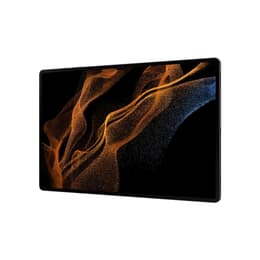
Galaxy Tab S8 (11.0", 2022)
Starting at

Refurbished price:£262.00

Versus £745.19 new

See options
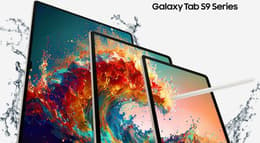
Galaxy Tab S9 (11.0", 2023)
Starting at

Refurbished price:£370.00

Versus £1,060.32 new

See options

Ratings

The Samsung Galaxy Tab S8, released in 2022, and the Galaxy Tab S9, launched in 2023, represent successive generations of Samsung's flagship Android tablets. While both offer a premium tablet experience with the included S Pen and the Android operating system, the Tab S9 introduces notable upgrades in display technology and overall durability, alongside a more powerful internal processor.

Scores

Durability

When considering the longevity of these tablets, both models benefit from Samsung's commitment to software support, though the newer device naturally offers an extended timeline.

  • Software Updates: The Galaxy Tab S8, launched with Android 12, is expected to receive four major Android OS updates, extending its support up to Android 16, along with five years of security updates. The Galaxy Tab S9, released with Android 13, will also receive four major Android OS updates, taking it to Android 17, and five years of security updates, providing an additional year of software longevity compared to its predecessor.
  • Physical Durability: A key difference in physical resilience is the IP68 rating for dust and water resistance on the Galaxy Tab S9, a feature not present on the Tab S8. Both devices feature an Armor Aluminum build for structural integrity.
  • Expected Lifespan: Users can anticipate a practical lifespan of several years for both tablets, with the Tab S9 potentially remaining current for a slightly longer period due to its newer release and extended software support.

Year of Release

2022

2023

Compatible with latest Update

Yes

Yes

OS

Android

Android

Performance

The performance of a tablet is central to its user experience, influencing everything from app responsiveness to demanding tasks like gaming and video editing.

  • Processing Power: The Galaxy Tab S8 is equipped with a processor that handles everyday applications and multitasking smoothly. The Galaxy Tab S9 features a newer generation processor, specifically optimized for Galaxy devices, which provides enhanced speed and efficiency for more intensive applications and demanding workflows.
  • Multitasking and Responsiveness: Both tablets offer configurations with ample RAM, allowing for efficient multitasking and quick switching between applications. The Tab S9's updated processor contributes to a tangibly snappier feel in common tasks and maintains performance under sustained load more effectively.
  • Battery Behavior: The Galaxy Tab S8 includes an 8,000 mAh battery, providing substantial usage time for most users. The Galaxy Tab S9 has a slightly larger 8,400 mAh battery. While the Tab S9's newer processor is more power-efficient, some users have reported that the power demands of its upgraded display can lead to similar or, in some specific use cases, slightly shorter battery life compared to the Tab S8.

Memory (GB)

8 GB

8 GB

Processor

Qualcomm SM8450 Snapdragon 8 Gen 1

Qualcomm SM8550-AC Snapdragon 8 Gen 2

Screen quality

The display is a primary interaction point for any tablet, and here the two models present a significant distinction in visual experience.

  • Display Technology: The Galaxy Tab S8 features an 11-inch LTPS LCD panel, offering clear visuals and a smooth 120Hz refresh rate. In contrast, the Galaxy Tab S9 upgrades to an 11-inch Dynamic AMOLED 2X display, maintaining the 120Hz refresh rate.
  • Visual Clarity and Vibrancy: The AMOLED display on the Tab S9 provides deeper blacks, higher contrast, and more vibrant colors compared to the LCD panel of the Tab S8. This results in a more immersive viewing experience, particularly for media consumption and content creation.
  • Brightness and Viewing Angles: The Dynamic AMOLED 2X screen on the Tab S9 generally offers higher peak brightness and improved viewing angles, making it more comfortable to use in various lighting conditions, including outdoors.

Resolution

1600 x 2560

1600 x 2560

Screen type

TFT LCD

Dynamic AMOLED 2X

Pixel density

280ppp

280ppp

Audiovisual

While tablets are not typically primary photography devices, their camera systems are important for video calls, document scanning, and occasional photo capture.

  • Rear Camera System: The Galaxy Tab S8 features a dual rear camera setup, including a 13-megapixel wide lens and a 6-megapixel ultrawide lens. The Galaxy Tab S9 simplifies this to a single 13-megapixel wide rear camera, removing the ultrawide option.
  • Front Camera Performance: Both tablets are equipped with a 12-megapixel ultrawide front camera, optimized for video conferencing and selfies. This camera performs well in adequate lighting conditions for clear video calls.
  • Video Recording Capabilities: Both the Tab S8 and Tab S9 can record 4K video at up to 60 frames per second with both their front and rear cameras, offering good quality for video capture.

Miscellaneous

Beyond the core specifications, several other features contribute to the overall usability and experience of these tablets.

  • Connectivity and Ports: Both devices support Wi-Fi 6E and Bluetooth 5.2 (Tab S8) or 5.3 (Tab S9), offering fast wireless connections. They both feature a USB-C 3.2 port for charging and data transfer.
  • Design and Handling: The Galaxy Tab S8 measures 253.8 x 165.4 x 6.3 mm and weighs 507 grams (Wi-Fi model). The Galaxy Tab S9 is slightly more compact and lighter at 254.3 x 165.8 x 5.9 mm and 498 grams (Wi-Fi model), contributing to a marginally sleeker feel.
  • S Pen Integration: Both tablets come with an S Pen included, providing a versatile tool for note-taking, drawing, and navigation. The S Pen included with the Tab S9 is also IP68 rated for dust and water resistance, matching the tablet's enhanced durability.

Weight

507 g

129 g

Screen size (in)

11.0

11.0

Network

Wi-Fi

Wi-Fi

Carrier compatibility

Without SIM Port

Unlocked

Connector

USB Type-C

USB Type-C

User feedback for the Galaxy Tab S8 often highlights its strong performance and solid battery life for an Android tablet, particularly at its launch. Some users noted the LCD display as a point of differentiation from the higher-tier models in its series. Common criticisms were generally related to software optimization for Android tablets rather than hardware shortcomings.

The Galaxy Tab S9 has been widely praised for its significant display upgrade to Dynamic AMOLED 2X, offering a more vibrant and immersive visual experience. Its enhanced processor also receives positive remarks for maintaining smooth performance. However, some users have expressed mixed opinions on its real-world battery life, with the more power-intensive AMOLED screen potentially offsetting the larger battery capacity in certain usage scenarios. Isolated reports of screen issues have also surfaced, though these do not appear to be widespread.

Users prioritizing a cutting-edge display, enhanced durability with an IP68 rating, and the longest possible software support timeline will find the Galaxy Tab S9 well-suited to their needs. Its improved processor also benefits those who engage in demanding tasks. Conversely, users who value a slightly more affordable option with still-strong performance, good battery life, and a capable LCD display may find the Galaxy Tab S8 to be a compelling choice. Both devices offer a robust Android tablet experience, and choosing a quality-assured refurbished option for either model can be an eco-friendly alternative for consumers.

See all articles

Our recent comparisons