
iPhone 14 Pro Max Vs iPhone SE (2022)

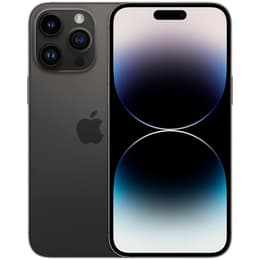
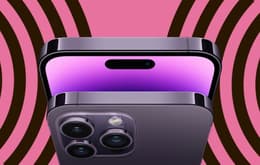
iPhone 14 Pro Max
iPhone 14 Pro Max
Starting at

Refurbished price:£325.00

Versus £1,199.00 new

See options
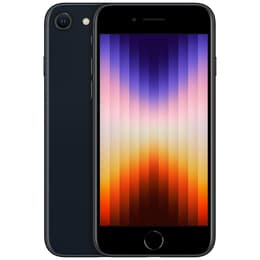
iPhone SE (2022)
iPhone SE (2022)
Starting at

Refurbished price:£102.00

Versus £429.00 new

See options

Ratings

The iPhone 14 Pro Max and the iPhone SE (3rd generation), both released in 2022, represent two distinct philosophies within the smartphone market. While the iPhone 14 Pro Max is a large-format device featuring the latest display and camera innovations, the iPhone SE maintains a classic design with a physical home button and a compact footprint. Both devices operate on the same iOS ecosystem, ensuring a familiar software experience and access to the same application library across both models despite their physical differences.

The primary differentiators between these two models lie in their physical scale, display technology, and the complexity of their camera systems. The iPhone 14 Pro Max is designed for users who prioritise a large, immersive screen and advanced photography tools, whereas the iPhone SE is tailored for those who prefer a smaller, more traditional handset that focuses on core functionality and ease of use with one hand.

Scores

Durability

Both the iPhone 14 Pro Max and the iPhone SE (2022) were launched in the same calendar year, which gives them a similar starting point regarding long-term software support and system updates.

  • Software Longevity: Because both devices share a release year, they are expected to receive iOS updates for a similar duration, likely extending well into the late 2020s. This ensures that both models will remain compatible with the latest security patches and application requirements for several years. Choosing a quality-assured refurbished option can also extend the functional lifecycle of these electronics by ensuring they are maintained by experts.
  • Build Materials and Repairability: The iPhone 14 Pro Max utilises a stainless steel frame and Ceramic Shield glass, which provides significant resistance to daily wear and accidental drops. In contrast, the iPhone SE uses an aluminium frame and toughened glass. While both are built to high standards, the 14 Pro Max offers higher water and dust resistance ratings (IP68) compared to the SE (IP67), which may influence the practical lifespan for users in more demanding environments.
  • Maintenance and Parts: The iPhone SE features a more traditional internal layout that some technicians find straightforward for common repairs like screen replacements. The iPhone 14 Pro Max, while more complex due to its advanced sensors and Face ID components, is supported by a vast network of repair services, ensuring that both devices can be kept in good working order for many years of service.

Year of Release

2022

2022

Compatible with latest Update

Yes

Yes

OS

iOS

iOS

Foldable

No

No

Performance

While both devices handle everyday tasks with ease, their internal architectures are optimised for different types of user demands and multitasking requirements.

  • System Responsiveness: The iPhone 14 Pro Max is equipped with high-performance internal hardware designed to manage intensive tasks such as high-resolution video editing and complex mobile gaming without slowing down. The iPhone SE, while using a very capable and efficient processing architecture, is better suited for standard daily activities like messaging, web browsing, and social media, where it remains incredibly responsive and quick to launch applications.
  • Multitasking and Memory: With a higher amount of temporary memory (RAM), the iPhone 14 Pro Max can keep more applications open in the background simultaneously, allowing for seamless switching between heavy apps. The iPhone SE is more conservative with background tasks, which is sufficient for general use but may result in apps reloading more frequently when multiple high-demand programmes are running at once.
  • Battery Endurance: The physical size of the iPhone 14 Pro Max allows for a much larger battery capacity, which typically supports over a full day of heavy usage, including video streaming and GPS navigation. The iPhone SE has a smaller battery due to its compact frame, meaning that power users may find themselves needing to recharge by the early evening, whereas light users will find it lasts through a standard workday.

Memory (GB)

6 GB

4 GB

Screen quality

The viewing experience is perhaps the most immediate difference between these two smartphones, affecting everything from reading text to watching media.

  • Display Technology and Size: The iPhone 14 Pro Max features a 6.7-inch OLED display that provides deep blacks, high contrast, and vibrant colours, making it ideal for media consumption and detailed work. The iPhone SE uses a 4.7-inch LCD screen, which offers natural colour reproduction and clear text but lacks the deep contrast levels and expansive surface area found on the larger model.
  • Smoothness and Refresh Rates: A key feature of the 14 Pro Max is its adaptive refresh rate, which can reach up to 120Hz. This results in much smoother scrolling and more fluid animations compared to the standard 60Hz refresh rate on the iPhone SE. Users who spend a lot of time scrolling through long documents or playing fast-paced games will notice a significant difference in visual smoothness on the larger device.
  • Outdoor Visibility: The iPhone 14 Pro Max is capable of reaching much higher peak brightness levels, which ensures the screen remains easily readable even under direct sunlight. While the iPhone SE is perfectly clear for indoor use and typical outdoor conditions, it may be more challenging to view in extremely bright environments compared to the advanced panel on the 14 Pro Max.

Resolution

1290 x 2796

750 x 1334

Screen type

LTPO Super Retina XDR OLED

Retina IPS LCD

Audiovisual

Photography and video capabilities represent a major point of divergence, with one device offering a versatile multi-lens array and the other focusing on a single, reliable sensor.

  • Versatility and Zoom: The iPhone 14 Pro Max features a triple-lens system, including a high-resolution main sensor, an ultra-wide lens for landscapes, and a telephoto lens for optical zooming. This allows users to capture a wide variety of perspectives. The iPhone SE has a single wide-angle lens which takes excellent, clear photos in good lighting but lacks the ability to zoom in optically or capture wide-angle vistas.
  • Low-Light Performance: Advanced sensor technology and dedicated night modes allow the iPhone 14 Pro Max to capture detailed, bright images in very dark environments. The iPhone SE does not feature a dedicated night mode, meaning that photos taken in low-light settings will generally show more grain and less detail than those taken with the 14 Pro Max.
  • Video and Audio Capture: Both devices support high-quality 4K video recording with excellent stabilisation. However, the 14 Pro Max includes additional features like Cinematic mode for professional-looking depth-of-field effects and Action mode for highly stabilised handheld shots. Additionally, the 14 Pro Max features a more robust microphone array and spatial audio playback, providing a more immersive experience for both recording and watching videos.

Main camera

48 megapixels

12 megapixels

Front camera

12 megapixels

7 megapixels

Miscellaneous

Beyond the core specifications, several practical features and physical attributes define the daily handling experience of these two handsets.

  • Biometric Security and Navigation: The iPhone 14 Pro Max uses Face ID for secure unlocking and payments, integrated into the Dynamic Island at the top of the screen. The iPhone SE retains the classic Home button with Touch ID, which many users still prefer for its tactile feedback and the ability to unlock the device with a fingerprint without looking at the screen.
  • Portability and Weight: There is a significant difference in weight and dimensions; the iPhone 14 Pro Max is a substantial device that often requires two-handed use, whereas the iPhone SE is one of the lightest and most compact smartphones available, easily fitting into small pockets and being comfortable for one-handed operation.
  • Connectivity and Charging: Both models support 5G connectivity for fast mobile data and use the Lightning port for charging and data transfer. The iPhone 14 Pro Max also supports MagSafe accessories for easy magnetic wireless charging and attachment of wallets or stands, a feature that is not present on the iPhone SE, though the SE does support standard Qi wireless charging.

Weight

120 g

144 g

Screen size (in)

6.7

4.7

Mobile network

5G

5G

SIM card

Physical SIM + eSIM

Physical SIM + eSIM

Carrier compatibility

Unlocked

Unlocked

Connector

Lightning

Lightning

Choosing between the iPhone 14 Pro Max and the iPhone SE (2022) depends largely on how a user interacts with their mobile device on a daily basis. Based on user feedback from various tech forums, the iPhone 14 Pro Max is frequently praised for its exceptional battery life and the immersive quality of its large display, though some users find its weight and size cumbersome for long-term handheld use. Conversely, the iPhone SE is highly regarded by those who value the simplicity of the Home button and the ease of carrying a smaller device, even if they acknowledge the trade-off in screen size and camera versatility.

Users who prioritise professional-grade photography, extensive media consumption, and the longest possible battery life will find the iPhone 14 Pro Max aligns best with their needs. On the other hand, users who prefer a compact, lightweight phone for essential communication and who appreciate a classic design will likely lean toward the iPhone SE. Both devices remain powerful and relevant choices in the current market. Opting for a sustainable choice through a quality-assured refurbished option allows users to access these technologies while contributing to a more circular economy. Ultimately, the decision rests on whether you value the expansive features of a large-format device or the practical simplicity of a compact classic.

See all articles

Our recent comparisons