
Galaxy S22 5G Vs iPhone 16

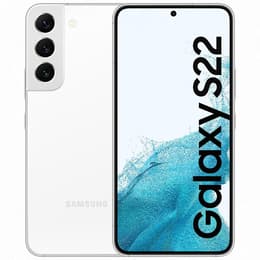
Galaxy S22 5G
Galaxy S22 5G
Starting at

Refurbished price:£145.00

Versus £899.00 new

See options
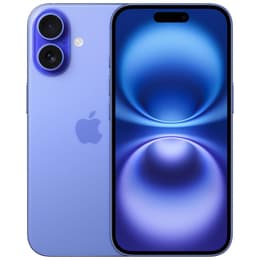
iPhone 16
iPhone 16
Starting at

Refurbished price:£475.00

Versus £699.00 new

See options

Ratings

The Samsung Galaxy S22 5G, launched in early 2022, and the Apple iPhone 16, released in late 2024, represent two distinct generations of smartphone technology. While the Galaxy S22 5G offers a versatile triple-camera system and a high-refresh-rate display, the iPhone 16 introduces modern hardware efficiencies and a refined user interface. These devices operate on distinct platforms—Android and iOS respectively—offering users different ecosystems for apps, customisation, and connectivity. Choosing between them involves weighing the benefits of a dedicated zoom lens against the longevity of a newer release.

Scores

Durability

The Galaxy S22 5G and iPhone 16 differ significantly in their expected lifespans due to their respective release dates and manufacturer support policies.

  • Software Longevity: The iPhone 16, being a 2024 release, is expected to receive software updates until approximately 2030 or 2031, providing a very long functional life. The Galaxy S22 5G, released in 2022, typically receives four years of major updates, meaning its primary support cycle will conclude sooner.
  • Build and Repairability: Both smartphones feature robust glass and aluminium constructions with high water and dust resistance ratings. However, the iPhone 16 features an updated internal design that simplifies certain repairs, while the Galaxy S22 5G remains a sturdy device with widely available replacement parts.
  • Practical Lifespan: Users looking for a device to last five years or more will find the iPhone 16 better aligned with that goal, whereas the Galaxy S22 5G is a reliable choice for those who update their hardware more frequently.

Year of Release

2022

2024

Compatible with latest Update

Yes

Yes

Foldable

No

No

Performance

While both devices handle daily tasks with ease, the two-year age gap between the Galaxy S22 5G and the iPhone 16 results in noticeable differences in efficiency and speed.

  • System Responsiveness: The iPhone 16 utilises newer internal components that allow for near-instant app launches and smooth handling of demanding tasks like high-resolution video editing. The Galaxy S22 5G remains responsive for social media and browsing, though it may show slight pauses when switching between multiple heavy applications.
  • Battery Endurance: Real-world usage indicates that the iPhone 16 offers more consistent all-day battery life thanks to its more efficient power management. The Galaxy S22 5G has a smaller battery capacity, which may require a mid-day charge for users who frequently use GPS or stream high-definition video.
  • Multitasking: Both phones offer sufficient memory to keep several apps open in the background, though the Galaxy S22 5G’s software allows for more aggressive split-screen multitasking compared to the more streamlined approach of the iPhone 16.

Memory (GB)

8 GB

8 GB

Screen quality

The display experience is one of the most distinct areas of comparison, with the older Galaxy S22 5G holding a technical advantage in motion smoothness.

  • Refresh Rate and Fluidity: The Galaxy S22 5G features a display that can refresh up to 120 times per second, making scrolling through lists and animations appear very fluid. The iPhone 16 maintains a standard 60Hz refresh rate, which is stable and clear but lacks the same level of perceived smoothness during fast movement.
  • Outdoor Visibility: The iPhone 16 features a significantly brighter screen that remains easy to read even under direct midday sunlight. While the Galaxy S22 5G is clear in most environments, it may struggle slightly more with glare in extremely bright outdoor settings.
  • Display Technology: Both devices use advanced OLED panels that provide deep blacks and vibrant colours. The iPhone 16 offers a slightly more natural colour balance, while the Galaxy S22 5G provides highly saturated tones that make photos and videos appear very vivid.

Resolution

1080 x 2340

1179 x 2556

Screen type

Dynamic AMOLED 2X

Super Retina XDR OLED

Audiovisual

Photography and media consumption are handled differently by these two devices, with the Galaxy S22 5G focusing on versatility and the iPhone 16 on consistency.

  • Camera Versatility: The Galaxy S22 5G includes a dedicated telephoto lens, allowing for clear zoomed-in photos of distant subjects. The iPhone 16 lacks a physical zoom lens but uses its high-resolution main sensor to create detailed crops that mimic a 2x zoom effect.
  • Video and Audio Quality: The iPhone 16 is widely regarded for its stable video recording and natural microphone pickup, making it a strong choice for capturing family memories or social media content. The Galaxy S22 5G offers excellent video features as well, including high-resolution recording options that capture fine details.
  • Speaker Performance: Both smartphones provide stereo sound that is clear and loud enough for watching videos without headphones. The iPhone 16 tends to offer a slightly fuller sound with more noticeable bass, while the Galaxy S22 5G prioritises vocal clarity.

Main camera

50 megapixels

48 megapixels

Front camera

10 megapixels

12 megapixels

Miscellaneous

Practical daily interactions are shaped by the physical design and connectivity features of each smartphone.

  • Physical Controls and Ports: Both devices now use the universal USB-C port for charging and data transfer, simplifying cable management. The iPhone 16 introduces a dedicated Camera Control button for quick photo adjustments, while the Galaxy S22 5G relies on traditional on-screen controls and volume buttons.
  • Biometric Security: The Galaxy S22 5G uses an ultrasonic fingerprint sensor hidden under the glass, which works even if fingers are slightly damp. The iPhone 16 uses facial recognition technology, which is highly secure and works well in low-light conditions but requires the user to look at the device.
  • Portability: Both phones are relatively compact and easy to use with one hand. The Galaxy S22 5G is slightly lighter, making it comfortable for long periods of reading, while the iPhone 16 feels slightly more substantial due to its newer internal architecture.

Weight

167 g

170 g

Screen size (in)

6.1

6.1

Mobile network

5G

5G

SIM card

Dual Physical SIM + eSIM

Physical SIM + eSIM

Carrier compatibility

Unlocked

Unlocked

Connector

USB-C

USB-C (USB 2)

User consensus on the Galaxy S22 5G often highlights its impressive display and the utility of its 3x optical zoom lens, though many users note that the battery life requires careful management. Conversely, iPhone 16 users frequently praise the device's consistent battery efficiency and the quality of its video recording, while some express a desire for the smoother 120Hz refresh rate found on its competitors. These perspectives reflect a choice between a feature-rich but older Android flagship and a more modern, streamlined iOS experience.

Users who prioritise photography versatility and a smooth scrolling experience will find the Galaxy S22 5G to be a compelling choice. On the other hand, those who value long-term software support, consistent video quality, and all-day battery life may lean toward the iPhone 16. For those looking to make a sustainable choice, the Galaxy S22 5G remains a highly capable device that performs well in modern apps. Choosing a quality-assured refurbished option for either model allows consumers to access these technologies while reducing environmental impact. Ultimately, the decision rests on whether you prefer the customisation and zoom capabilities of the Samsung or the longevity and ecosystem integration of the Apple device.
See all articles

Our recent comparisons