
Galaxy S21 5G Vs Galaxy S9

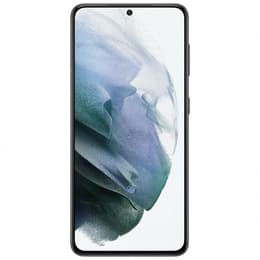
Galaxy S21 5G
Galaxy S21 5G
Starting at

Refurbished price:£133.00

Versus £829.00 new

See options
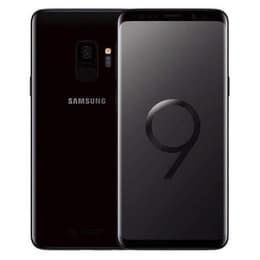
Galaxy S9
Galaxy S9
Starting at

Refurbished price:£77.00

Versus £449.00 new

See options

Ratings

The Samsung Galaxy S21 5G, released in 2021, and the Samsung Galaxy S9, launched in 2018, represent two distinct eras of the Galaxy S series. While the S21 5G focuses on modern connectivity and high-refresh-rate displays, the S9 retains classic features like expandable storage and a dedicated headphone jack. Both devices run on the Android operating system, though the S21 5G benefits from a much newer version and a longer support window for modern applications.

Scores

Durability

The three-year gap between these devices significantly impacts their long-term utility and software health in a modern digital environment.

  • Software Longevity: The Galaxy S21 5G was released with a commitment to several years of operating system updates and security patches, making it compatible with the latest apps well into the mid-2020s. In contrast, the Galaxy S9 has reached the end of its official software support cycle, meaning it no longer receives new Android versions or regular security updates.
  • Physical Build and Repair: The S21 5G features a polycarbonate back which is more resistant to cracking than the all-glass construction of the S9, though both require professional assistance for battery replacements. Choosing a quality-assured refurbished option for either model can extend the functional life of these materials while serving as a sustainable choice for the environment.
  • Practical Lifespan: Users can expect the S21 5G to remain relevant for several more years, whereas the S9 is best suited for users with basic needs who do not require the latest security protocols or app versions.

Year of Release

2021

2018

Compatible with latest Update

Yes

No

OS

Android

Android

Foldable

No

No

Performance

Performance differences are most noticeable when handling modern, resource-heavy applications and multitasking throughout a busy day.

  • System Responsiveness: The Galaxy S21 5G handles demanding tasks, such as high-definition video editing or intensive gaming, with much greater ease than the S9. Its internal hardware allows for smoother transitions between apps and faster loading times, whereas the S9 may experience occasional slowdowns when running contemporary software updates.
  • Memory and Multitasking: With double the memory capacity in many configurations, the S21 5G keeps more apps open in the background without needing to refresh them. This makes it a more efficient tool for professionals who switch frequently between email, web browsers, and document editors.
  • Battery and Power Management: The S21 5G houses a larger battery designed to compensate for the power demands of modern networks. While the S9 offers reliable daily use for light tasks, heavy users will find the S21 5G lasts longer through a full day of mixed activity.

Memory (GB)

8 GB

4 GB

Screen quality

Both devices utilize high-quality display technology, but they prioritize different aspects of the visual experience for the user.

  • Refresh Rate and Fluidity: The S21 5G introduces a 120Hz refresh rate, which makes scrolling through social media feeds and navigating menus feel significantly smoother than the standard 60Hz screen on the S9. This reduces motion blur and provides a more responsive feel to touch inputs.
  • Resolution and Clarity: Interestingly, the older S9 features a higher maximum resolution, providing a very sharp image for its size. However, the S21 5G offers a brighter panel that is easier to read under direct sunlight, which is a practical advantage for outdoor use.
  • Design and Viewing Area: The S21 5G features a flat display with thinner borders, maximizing the screen-to-body ratio for an immersive experience. The S9 uses the classic curved edges which some users find more ergonomic, though it is more prone to accidental touches at the edges.

Resolution

1080 x 2400

1440 x 2960

Screen type

Dynamic AMOLED 2X

Super AMOLED

Audiovisual

The evolution of camera technology is one of the most prominent differences between these two generations of smartphones.

  • Versatility in Photography: The S21 5G features a triple-lens system, including a dedicated telephoto lens for zooming and an ultra-wide lens for landscapes. The S9 relies on a single rear camera, which, while capable of taking clear photos in good lighting, lacks the flexibility to capture different perspectives without moving the device.
  • Video and Recording: For content creators, the S21 5G offers advanced video stabilization and the ability to record in much higher resolutions. It also features improved microphone arrays that better isolate voices during calls or recordings compared to the older hardware in the S9.
  • Audio Hardware: The S9 maintains a traditional 3.5mm headphone jack, allowing for the use of wired headphones without an adapter. The S21 5G has moved away from this port, relying instead on USB-C or wireless connections for audio output, though both devices provide clear stereo sound through their built-in speakers.

Main camera

12 megapixels

12 megapixels

Front camera

10 megapixels

8 megapixels

Miscellaneous

Practical daily handling is influenced by the physical design and connectivity standards of each phone in various environments.

  • Network Connectivity: The S21 5G is built for the latest mobile networks, offering significantly faster download and upload speeds in areas with 5G coverage. The S9 is limited to 4G LTE, which remains functional for standard web browsing but cannot match the future-readiness of the newer model.
  • Security and Biometrics: The S21 5G utilizes an ultrasonic fingerprint sensor hidden beneath the glass of the screen, providing a seamless way to unlock the device. The S9 uses a physical fingerprint scanner on the back and includes an iris scanner, which some users still prefer for its reliability in certain lighting conditions.
  • Storage and Expansion: A key advantage for the S9 is the inclusion of a microSD card slot, allowing users to easily expand their storage capacity. The S21 5G lacks this feature, meaning users must rely on the internal storage capacity they choose at the time of purchase or use cloud-based services.

Weight

169 g

163 g

Width

7.12 cm

6,87 cm

Height

15.17 cm

14,77 cm

Depth

0.79 cm

0,85 cm

Screen size (in)

6.2

5.8

Mobile network

5G

4G

SIM card

Dual Physical SIM + eSIM

Physical SIM

Carrier compatibility

Unlocked

Unlocked

When looking at user discussions and community feedback, the Galaxy S21 5G is frequently praised for its vibrant, smooth display and its ability to keep up with modern app demands without overheating. However, some long-time Samsung users express a preference for the Galaxy S9 due to its more compact dimensions, the inclusion of the headphone jack, and the absence of a camera cutout in the screen. The S9 is often remembered as one of the last all-in-one devices before the removal of legacy ports.

Users who prioritize high-speed internet, modern photography features, and long-term software security will find the Galaxy S21 5G to be the more suitable choice for their lifestyle. Conversely, users who prefer a smaller device that supports wired headphones and expandable physical storage may lean toward the Galaxy S9 for their daily needs. Opting for an eco-friendly alternative like a quality-assured refurbished model allows consumers to access these specific features while supporting a more circular economy. Ultimately, the choice depends on whether one values the latest technological standards or the practical convenience of classic hardware features.
See all articles

Our recent comparisons