
Galaxy S21 Ultra 5G Vs iPhone 14 Pro Max

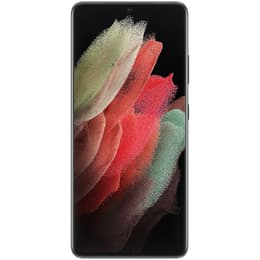
Galaxy S21 Ultra 5G
Galaxy S21 Ultra 5G
Starting at

Refurbished price:£186.00

Versus £1,800.00 new

See options
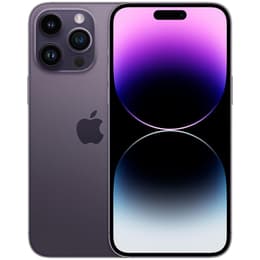
iPhone 14 Pro Max
iPhone 14 Pro Max
Starting at

Refurbished price:£325.00

Versus £1,199.00 new

See options

Ratings

The Samsung Galaxy S21 Ultra 5G (2021) and the iPhone 14 Pro Max (2022) represent two different eras of flagship smartphone design, each offering a distinct approach to the large-screen mobile experience. While the Galaxy S21 Ultra 5G focuses on versatile photography and stylus compatibility, the iPhone 14 Pro Max introduces a refined interface and enhanced video capabilities. These devices operate on Android and iOS respectively, providing users with two very different software ecosystems that influence daily interaction and long-term usability.

Choosing between these two models involves weighing the benefits of a highly customisable interface against a more integrated and streamlined user experience. The Galaxy S21 Ultra 5G remains a powerful choice for those who prioritise camera flexibility, whereas the iPhone 14 Pro Max caters to users seeking a newer device with extended software support and a unique interactive display element.

Scores

Durability

When evaluating how long these devices will remain functional and secure, the release dates and manufacturer update policies play a significant role in their expected lifespan.

  • Software Longevity: The iPhone 14 Pro Max was released in late 2022 and is expected to receive major operating system updates for approximately six to seven years, likely lasting until 2028 or 2029. The Galaxy S21 Ultra 5G, launched in early 2021, follows a four-year update cycle for its operating system, meaning its period of major software refreshes is closer to its conclusion.
  • Security and Maintenance: Samsung provides security patches for five years from the device's launch, ensuring the Galaxy S21 Ultra 5G remains protected through 2026. Apple typically provides security updates even after major iOS support ends, giving the iPhone 14 Pro Max a longer overall window of safe operation.
  • Physical Durability: Both smartphones feature robust builds with glass and metal frames, though the iPhone 14 Pro Max uses a flat stainless steel edge which some users find more resistant to minor impacts compared to the curved aluminium frame of the Galaxy S21 Ultra 5G.

Year of Release

2021

2022

Compatible with latest Update

Yes

Yes

OS

Android

iOS

Foldable

No

No

Performance

Both smartphones are designed to handle intensive tasks, though they manage power and multitasking in slightly different ways based on their internal hardware and software optimisations.

  • System Responsiveness: The iPhone 14 Pro Max features a highly efficient internal processor that excels at maintaining smooth performance during intensive video editing and high-frame-rate gaming. The Galaxy S21 Ultra 5G utilizes a powerful multi-core processor that ensures quick app switching and handles demanding productivity tools without significant slowdown.
  • Multitasking and Memory: With a higher amount of RAM, the Galaxy S21 Ultra 5G is well-suited for keeping numerous background applications open simultaneously, which is particularly useful when using split-screen modes. The iPhone 14 Pro Max relies on tight software integration to manage memory, providing a fluid experience even with fewer active resources.
  • Battery Endurance: The Galaxy S21 Ultra 5G houses a large 5,000mAh battery that supports a full day of heavy use, while the iPhone 14 Pro Max, despite a smaller physical battery capacity, often achieves longer runtimes due to the high efficiency of its hardware and software synchronisation.

Memory (GB)

12 GB

6 GB

Screen quality

The display is a primary feature for both models, offering large canvases for media consumption and productivity with high levels of clarity and brightness.

  • Display Technology: The Galaxy S21 Ultra 5G features a 6.8-inch Dynamic AMOLED display with slightly curved edges that create an immersive feel for watching videos. The iPhone 14 Pro Max uses a 6.7-inch flat Super Retina XDR display, which provides a consistent touch surface and high colour accuracy for photo editing.
  • Brightness and Visibility: Both screens are capable of reaching high peak brightness levels, making them easy to read in bright outdoor environments. The iPhone 14 Pro Max introduces the Always-On display feature, allowing users to see notifications and the clock at a glance without waking the device.
  • Refresh Rates: Each device employs adaptive refresh rate technology up to 120Hz, which ensures that scrolling through social media or playing games feels fluid and responsive while conserving battery life during static tasks.

Resolution

1440 x 3200

1290 x 2796

Screen type

Dynamic AMOLED 2X

LTPO Super Retina XDR OLED

Audiovisual

Photography and video recording are central to these devices, with each manufacturer prioritising different aspects of the imaging experience.

  • Zoom Capabilities: The Galaxy S21 Ultra 5G is equipped with a sophisticated dual-telephoto system that allows for clear images at 3x and 10x optical zoom, making it ideal for capturing distant subjects. The iPhone 14 Pro Max offers a 3x optical zoom, focusing more on the quality of the main sensor for everyday photography.
  • Video Production: The iPhone 14 Pro Max is frequently noted for its stable video recording and the inclusion of Cinematic mode, which adds a professional-looking depth-of-field effect to videos. The Galaxy S21 Ultra 5G supports 8K video recording, providing high resolution for users who wish to crop into their footage later.
  • Low-Light Performance: Both smartphones use advanced processing to brighten dark scenes, though the iPhone 14 Pro Max features a larger main sensor that naturally captures more light, while the Galaxy S21 Ultra 5G uses high-resolution sensor-binning to reduce noise in night-time photos.

Main camera

108 megapixels

48 megapixels

Front camera

40 megapixels

12 megapixels

Miscellaneous

Practical features such as connectivity, biometrics, and physical handling can significantly impact the daily user experience of these large-format devices.

  • Biometrics and Security: The Galaxy S21 Ultra 5G uses an ultrasonic fingerprint sensor located under the display, which works quickly even if fingers are slightly damp. The iPhone 14 Pro Max relies on FaceID, a facial recognition system that provides secure access and works well in various lighting conditions.
  • Connectivity and Ports: The Galaxy S21 Ultra 5G features a USB-C port, which is a common standard for many modern electronics, and it supports the S-Pen for note-taking. The iPhone 14 Pro Max uses the Lightning port and introduces the Dynamic Island, a pill-shaped cutout that changes shape to show active background tasks like music or timers.
  • Build and Weight: Both phones are substantial in the hand, weighing over 220 grams. The Galaxy S21 Ultra 5G has a more contoured shape that can be easier to grip, while the iPhone 14 Pro Max has a more industrial, flat-edged design that feels very solid.

Weight

227 g

120 g

Screen size (in)

6.8

6.7

Mobile network

5G

5G

SIM card

Dual Physical SIM + eSIM

Physical SIM + eSIM

Carrier compatibility

Unlocked

Unlocked

Connector

USB-C

Lightning

In summary, the choice between the Galaxy S21 Ultra 5G and the iPhone 14 Pro Max often comes down to a preference for specific features and software ecosystems. Based on user discussions on platforms like Reddit, the Galaxy S21 Ultra 5G is frequently praised for its exceptional zoom range and the flexibility of the Android operating system, which allows for deep customisation. However, some users note that its battery life can vary depending on the specific tasks performed. The iPhone 14 Pro Max is often highlighted for its consistent performance, long-lasting battery, and the high quality of its video recording, though some find the transition to the Dynamic Island takes time to get used to.

Users who prioritise photography at a distance and a highly customisable interface may find the Galaxy S21 Ultra 5G better suited to their needs. Conversely, those who value long-term software support, a flat display, and a seamless ecosystem of connected devices will likely lean toward the iPhone 14 Pro Max. Choosing a quality-assured refurbished option is an eco-friendly alternative that allows users to access these high-end features while supporting a more circular economy. Opting for a sustainable choice through refurbishment ensures the device has been professionally checked for functionality, providing a reliable experience for students, professionals, or travellers alike.

See all articles

Our recent comparisons