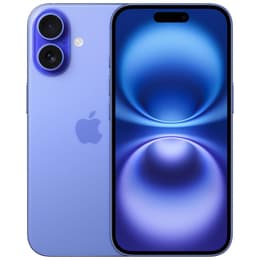

Galaxy A05s Vs iPhone 16

Galaxy A05s
Galaxy A05s
Starting at

Refurbished price:£89.00

Versus £129.00 new

See options
iPhone 16
iPhone 16
Starting at

Refurbished price:£475.00

Versus £699.00 new

See options

Ratings

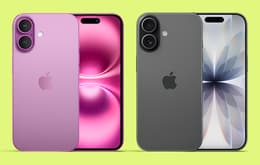
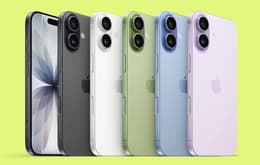
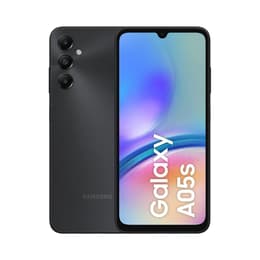
The Samsung Galaxy A05s, released in October 2023, operates on the Android platform and is designed to offer essential smartphone functionalities. In contrast, the iPhone 16, launched in September 2024, runs on Apple's iOS and represents a premium device with advanced capabilities. These two smartphones cater to different user needs, primarily differing in their operating systems, overall performance, and camera systems.

Scores

Durability

The longevity of a smartphone is significantly influenced by its release timeline, software support, and physical durability.

  • Software Support: The Galaxy A05s, launched with Android 13, is expected to receive at least two major Android OS updates, with Android 15 already rolling out, and up to four years of quarterly security updates, extending its support until late 2027 or early 2028. [3, 20, 24] The iPhone 16, released with iOS 18, is anticipated to receive a minimum of five years of software support from its launch date, with a strong likelihood of receiving major iOS updates and security patches for up to seven years, potentially until around 2031. [9, 10, 12, 15, 22, 25, 27]
  • Physical Durability: The Galaxy A05s features a plastic frame and rear, and does not carry an official IP rating for dust and water resistance. [17] The iPhone 16, however, incorporates a glass front with Ceramic Shield protection, a glass back, and an aluminum frame, along with an IP68 rating, indicating resistance to dust and water immersion up to 6 meters for 30 minutes. [15]
  • Expected Lifespan: Users prioritizing extended software updates and robust physical protection may find the iPhone 16 better suited for long-term use, while the Galaxy A05s offers a practical lifespan for users with more moderate demands.

Year of Release

2023

2024

Compatible with latest Update

No

Yes

Foldable

No

No

Performance

Performance differences between these two devices are notable, impacting everything from app responsiveness to multitasking capabilities and battery usage.

  • Processing Power: The Galaxy A05s is equipped with a processor designed for everyday tasks, handling common applications and light gaming smoothly. [2, 3, 6] The iPhone 16 features a current-generation processor that delivers substantial power for demanding applications, intensive gaming, and complex multitasking without noticeable slowdowns. [1, 8, 12, 15]
  • Multitasking and Storage: The Galaxy A05s offers various configurations, including 4GB or 6GB of RAM and 64GB or 128GB of internal storage, which can be expanded using a microSD card. [2, 3, 6] The iPhone 16 comes with 8GB of RAM and storage options up to 512GB, providing ample space and efficient multitasking for users who frequently switch between many applications or store large files. [1, 12, 15]
  • Battery Behavior: The Galaxy A05s includes a 5000mAh battery, supporting 25W fast charging, which typically provides extended usage for most users. [3, 6, 13, 17, 21] The iPhone 16 has a 3561 mAh battery and also supports fast charging, capable of reaching 50% charge in approximately 30 minutes, alongside wireless charging capabilities. [1, 12, 15]

Memory (GB)

4 GB

8 GB

Screen quality

The visual experience on these smartphones varies due to differences in display technology, resolution, and refresh rates.

  • Display Technology and Clarity: The Galaxy A05s features a 6.7-inch PLS LCD display with a Full HD+ resolution of 1080 x 2400 pixels. [2, 3, 6] The iPhone 16 sports a 6.1-inch Super Retina XDR OLED display with a resolution of 2556x1179 pixels, offering deep blacks and vibrant colors. [1, 11, 14, 15]
  • Brightness and Refresh Rate: The Galaxy A05s provides a 90Hz refresh rate, contributing to smoother scrolling and a more fluid visual experience. [13, 17] The iPhone 16 maintains a 60Hz refresh rate but compensates with high brightness levels, reaching up to 1000 nits typical and 2000 nits peak brightness for outdoor visibility. [1, 11, 14, 15]
  • Viewing Experience: Users prioritizing a larger screen and smoother scrolling for everyday interactions might appreciate the Galaxy A05s. Those who value superior color accuracy, contrast, and high brightness for media consumption and outdoor use will find the iPhone 16's OLED display more suitable.

Resolution

1080 x 2400

1179 x 2556

Audiovisual

The camera systems on these devices offer distinct capabilities for capturing photos and videos in various conditions.

  • Rear Camera System: The Galaxy A05s features a triple rear camera setup, including a 50MP main sensor, a 2MP macro lens, and a 2MP depth sensor, capable of recording Full HD video at 60 frames per second. [2, 6, 13, 17, 21] The iPhone 16 is equipped with an advanced dual-camera system, featuring a 48MP main sensor with sensor-shift optical image stabilization (OIS) and a 12MP ultra-wide lens, capable of capturing high-resolution photos and 4K Dolby Vision video at up to 60 frames per second. [1, 5, 11, 14, 15]
  • Front Camera and Features: For selfies and video calls, the Galaxy A05s has a 13MP front camera. [2, 6, 13] The iPhone 16 includes a 12MP front camera with autofocus, enhancing clarity for self-portraits and video conferencing. [11, 14, 15]
  • Photography Performance: The iPhone 16's camera system, with its OIS and advanced processing, is designed for superior performance in various lighting conditions, including low light, and offers more sophisticated video recording features. The Galaxy A05s provides a functional camera for general photography and casual video capture.

Front camera

13 megapixels

12 megapixels

Miscellaneous

Beyond core features, several practical elements differentiate the user experience between these two smartphones.

  • Connectivity and Ports: The Galaxy A05s includes a 3.5mm headphone jack and supports Wi-Fi 802.11 a/b/g/n/ac and Bluetooth v5.1, with a USB Type-C 2.0 port for charging and data transfer. [2, 3, 13, 16] The iPhone 16 features a USB Type-C 2.0 port with DisplayPort support, Wi-Fi 802.11 a/b/g/n/ac/6/7, and Bluetooth 5.3, but omits the traditional headphone jack. [15]
  • Biometric Security and Sensors: The Galaxy A05s incorporates a side-mounted fingerprint sensor for secure unlocking. [3, 13] The iPhone 16 utilizes Face ID for facial recognition, offering a different method of biometric authentication, and includes additional features like Ultra Wideband (UWB) support and Emergency SOS via satellite. [15]
  • Design and Handling: The Galaxy A05s measures 168 x 77.8 x 8.8 mm and weighs 194g. [3, 13, 19] The iPhone 16 is more compact at 147.6 x 71.6 x 7.8 mm and lighter at 170g, potentially offering a different feel in hand. [1, 15]

Weight

194 g

170 g

Screen size (in)

6.7

6.1

Mobile network

4G

5G

SIM card

Physical SIM

Physical SIM + eSIM

Carrier compatibility

Unlocked

Unlocked

Connector

USB-C

USB-C (USB 2)

The Samsung Galaxy A05s and the iPhone 16 cater to distinct user preferences and priorities. The Galaxy A05s is often praised for its large display, long-lasting battery, and the inclusion of a headphone jack, making it a practical choice for users who value these features for everyday communication and media consumption. Some users might note its performance is geared towards essential tasks rather than demanding applications.

The iPhone 16 receives positive feedback for its powerful performance, advanced camera system, and the extensive software support provided by Apple, ensuring a long period of updates and security. Users appreciate its premium build and the seamless integration within the Apple ecosystem. Some discussions around the iPhone 16 mention its 60Hz display as a point of consideration compared to some Android devices offering higher refresh rates.

Users prioritizing a device for essential smartphone functions, a larger screen, and a traditional headphone jack may find the Galaxy A05s well-suited to their needs. Conversely, users who lean towards high performance, advanced photography and videography capabilities, a robust build, and a longer software support window will likely prefer the iPhone 16. Both devices, whether new or as a quality-assured refurbished option, offer reliable performance for their intended audiences, allowing consumers to make an informed and sustainable choice based on their individual requirements.
See all articles

Our recent comparisons