
Compare models
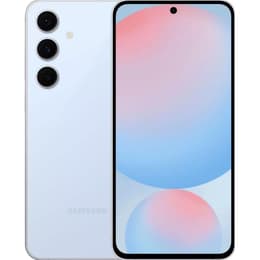
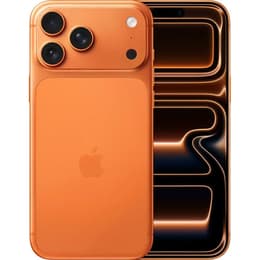
Galaxy S24 FE Vs iPhone 17 Pro Max
- 1-year minimum warranty
- Free delivery on all items
- Free 30-day returns
Differences at a glance
The Samsung Galaxy S24 FE (2024) and the iPhone 17 Pro Max (2025) represent two different tiers and operating systems within the modern smartphone market. While the Samsung model focuses on delivering core flagship capabilities in an accessible package, the Apple device serves as a maximum-performance flagship equipped with advanced mobile technology. These two smartphones utilize different operating systems, namely Android and iOS, catering to distinct user preferences for interface design and software ecosystems. Ultimately, the choice between them depends on whether a user prioritizes balanced, everyday efficiency or specialized high-end capabilities.
Available Models
Colour
Storage
Scores
Durability
When examining longevity, both devices offer robust software support lifespans, though their release years and hardware maintenance differ.
- Software updates and support: Both manufacturers provide long-term software support spanning multiple years of operating system upgrades and security patches, ensuring extended usability.
- Repairability and durability: Both models incorporate sturdy exterior frames and reinforced glass panels, while professional repair networks remain widely available for both brands to handle component replacements over time.
- Expected practical lifespan: Users can expect several years of reliable daily operation from either device, making them durable choices, especially when looking into a quality-assured refurbished option that extends the active life of electronics.
Year of Release
2024
2025
OS
Android
iOS
Foldable
No
No
Performance
Performance capabilities vary noticeably based on internal hardware configuration, directly impacting daily usage and multitasking.
- Multitasking and storage: Both smartphones offer generous internal storage configurations and ample memory capacity to keep multiple demanding applications active simultaneously without stuttering.
- Battery behavior and charging: Both devices manage daily energy consumption efficiently to last through typical daily use, though heavy tasks like extended mobile gaming or continuous video recording will require mid-day recharges.
- System responsiveness: Applications open instantly, and intensive software runs smoothly on both models thanks to modern processing hardware designed to handle heavy workflows effortlessly.
Screen quality
Display characteristics differ in size and panel tuning, though both deliver sharp visuals suitable for media consumption.
- Display technology and clarity: Both models use vibrant OLED screen technology that produces deep blacks, high contrast ratios, and sharp text rendering for comfortable reading.
- Outdoor visibility and brightness: High peak brightness levels on both screens ensure clear visibility under direct sunlight, reducing glare during outdoor use.
- Refresh rate and smoothness: High refresh rate support ensures fluid scrolling through web pages and animations, while large screen real estate provides an immersive viewing experience for movies and photos.
Resolution
1080x2340
2868x1320
Screen type
Dynamic AMOLED 2X
Super Retina XDR
Audiovisual
Imaging hardware and audio output vary to suit different photography styles and media consumption habits.
- Camera system versatility: Both smartphones feature multi-lens setups including main, ultra-wide, and telephoto options that capture detailed images across diverse lighting conditions.
- Video recording quality: Both devices offer stable, high-resolution video capture with advanced stabilization features, making them reliable tools for recording crisp footage on the go.
- Audio and media output: Stereo speaker setups on both models deliver clear, loud sound output for hands-free calls and casual video watching without requiring external speakers.
Miscellaneous
Physical dimensions and connectivity standards shape how each device feels and connects in daily use.
- Connectivity and ports: Both models support modern 5G cellular networks, fast Wi-Fi standards, and Bluetooth connectivity, utilizing USB-C connectors for data transfer and charging.
- Security and sensors: Both devices feature secure biometric authentication methods, relying on facial recognition or integrated fingerprint sensors for quick unlocking.
- Physical handling: The Samsung model offers a lighter, more compact profile for single-handed use, whereas the larger iPhone format provides a more expansive workspace at the cost of additional weight and bulk.
Weight
213 g
233 g
Screen size (in)
6.7
6.9
Mobile network
5G
5G
SIM card
Physical SIM + eSIM
Physical SIM + eSIM
Carrier compatibility
Unlocked
Unlocked
What the community thinks
User discussions and community feedback highlight distinct preferences for each of these smartphones. Owners of the Samsung Galaxy S24 FE frequently praise its balanced feature set, comfortable ergonomics, and reliable daily performance without excessive complexity. On the other hand, users of the iPhone 17 Pro Max often emphasize appreciation for its expansive display, advanced photographic tools, and long-lasting processing capability. Common criticisms for both models generally focus on their large physical footprints, which can make single-handed operation challenging for users with smaller hands.
Users prioritizing a more compact form factor and a straightforward Android interface may prefer the Samsung Galaxy S24 FE, while users prioritizing expansive screen space and maximum photographic versatility will lean toward the iPhone 17 Pro Max. Selecting either model as an eco-friendly alternative through a sustainable choice like a refurbished device helps reduce electronic waste while providing access to high-end technology. Ultimately, evaluating personal preferences regarding operating systems, physical size, and specific tool requirements will guide the final decision between these two distinct smartphones.