

Compare models
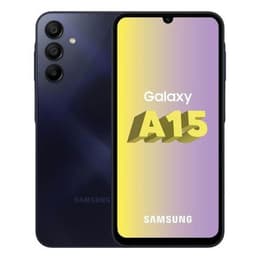
Galaxy A15 Vs Google Pixel 9 Pro XL
- 1-year minimum warranty
- Free delivery on all items
- Free 30-day returns
Differences at a glance
The Samsung Galaxy A15, released in late 2023, and the Google Pixel 9 Pro XL, launched in August 2024, represent distinct segments within the smartphone market. While the Galaxy A15 offers a balanced experience for everyday use, the Pixel 9 Pro XL is designed for users seeking advanced features and high-end performance. These devices differ significantly in their processing power, camera capabilities, and long-term software support, catering to varied user needs and expectations.
Available Models
Colour
Storage (GB)
Scores
Durability
The longevity of a smartphone is influenced by its build, software support, and component durability. These two devices offer different timelines for updates and expected practical lifespans.
- Software Support: The Samsung Galaxy A15 is committed to receiving four major Android OS upgrades and five years of security updates, extending its software relevance until approximately 2029. In contrast, the Google Pixel 9 Pro XL offers an extended seven years of both OS and security updates, providing support until Android 22 and ensuring a longer period of up-to-date features and security. [1, 3, 5, 19, 20, 30]
- Build Materials: The Galaxy A15 features a plastic frame and back with Dragontrail Pro glass protecting the display, offering a sturdy yet practical construction. The Pixel 9 Pro XL, as a premium device, incorporates more advanced materials like glass on the front and back, typically paired with an aluminum frame, contributing to a more robust and refined feel. [1, 3, 4, 11, 19, 34]
- Repairability: While specific repairability scores vary, the Galaxy A15's construction, with its plastic components, can sometimes simplify certain repairs. The Pixel 9 Pro XL, with its more integrated and premium design, may present different considerations for repair processes. [34, 36]
Year of Release
2023
2024
Compatible with latest Update
Yes
Yes
OS
Android
Android
Foldable
No
No
Performance
Performance is a key differentiator, with the devices targeting different user expectations for speed and responsiveness in daily tasks and demanding applications.
- Processing Power: The Galaxy A15 is equipped with a processor suitable for general daily tasks such as web browsing, social media, and light gaming. Users can expect smooth operation for common applications, though some lag might be observed when switching between multiple demanding apps. [1, 3, 4, 17, 23, 26, 32] The Pixel 9 Pro XL, powered by Google's Tensor G4 chip, delivers high-end performance, ensuring seamless multitasking, rapid app loading, and a fluid experience even with graphically intensive games and advanced AI features. [16, 19, 35]
- Memory and Storage: The Galaxy A15 offers various configurations, including 4GB, 6GB, or 8GB of RAM and 128GB or 256GB of internal storage, with the added flexibility of microSD card expansion up to 1TB. [1, 3, 4, 6, 9, 11, 12, 23, 34] The Pixel 9 Pro XL comes with a substantial 16GB of RAM and storage options ranging from 128GB to 1TB, providing ample space and memory for extensive multitasking and large files. [19, 21, 24, 30, 35]
- Battery Behavior: Both devices feature large battery capacities. The Galaxy A15's 5000 mAh battery is noted for its excellent longevity, often lasting a full day or more for many users, with a video streaming test showing over 14 hours of use. [1, 4, 18, 26] The Pixel 9 Pro XL includes a 5060 mAh battery, designed to support its powerful components and advanced features throughout a typical day, with optimizations for power efficiency. [19, 35]
Screen quality
The visual experience on a smartphone is largely defined by its display, and these two models offer distinct characteristics in screen technology and clarity.
- Display Technology and Clarity: The Samsung Galaxy A15 features a 6.5-inch Super AMOLED display with a 1080 x 2340 (FHD+) resolution, providing vibrant colors and deep blacks. [1, 2, 3, 7, 9, 11, 13, 15, 22, 32] The Google Pixel 9 Pro XL boasts a larger 6.8-inch LTPO OLED display with a higher resolution of 2992 x 1344 pixels, resulting in a sharper and more detailed visual experience. [19, 24, 35]
- Brightness and Refresh Rate: The Galaxy A15's display reaches up to 800 nits in High Brightness Mode (HBM) and offers a 90Hz refresh rate for smoother scrolling. [2, 7, 11, 12, 17, 22, 23, 32, 34] The Pixel 9 Pro XL features a significantly brighter display with a peak brightness of 3000 nits and an adaptive 1-120Hz variable refresh rate, which allows for exceptionally fluid motion and improved visibility in bright outdoor conditions while also conserving battery life. [19, 24, 35]
- Viewing Experience: The Galaxy A15 provides a clear and enjoyable viewing experience for media consumption and daily interactions, though it has a noticeable bezel. [1, 2, 7, 11, 17, 22] The Pixel 9 Pro XL's larger, higher-resolution, and brighter screen, combined with its adaptive refresh rate, offers a more immersive and premium viewing experience, particularly for high-definition content and gaming. [19, 24, 35]
Resolution
1080 x 2340
1344 x 2992
Screen type
Super AMOLED
LTPO OLED
Audiovisual
Camera capabilities are a significant factor for many users, and both devices approach photography and videography with different strengths.
- Rear Camera Systems: The Samsung Galaxy A15 includes a triple camera setup with a 50-megapixel main sensor, a 5-megapixel ultrawide lens, and a 2-megapixel macro lens. Users generally find the 50MP main camera capable of producing vibrant and sharp photos in good lighting conditions. [2, 3, 7, 9, 10, 14, 15, 17, 22, 26, 34, 36] The Google Pixel 9 Pro XL features a more advanced triple camera system, including a 50-megapixel main camera with optical image stabilization (OIS), a 48-megapixel ultrawide, and a 48-megapixel telephoto lens with 5x optical zoom, designed for versatile and high-quality imaging across various scenarios. [19, 24, 35]
- Low-Light and Everyday Photography: The Galaxy A15 performs well in everyday photography, but its low-light performance can be less consistent, sometimes resulting in grainier images. [10, 26, 32] The Pixel 9 Pro XL, leveraging Google's computational photography, excels in challenging lighting conditions, producing detailed and well-exposed images even in low light, and offers advanced features for capturing a wide range of scenes. [19, 24, 35]
- Video Recording and Front Camera: Both devices support 1080p video recording at 30 frames per second. [2, 7, 14, 15, 26, 34] For selfies, the Galaxy A15 has a 13-megapixel front camera, while the Pixel 9 Pro XL features a higher-resolution 42-megapixel front camera, providing more detail for video calls and self-portraits. [2, 7, 9, 10, 14, 15, 19, 24, 26, 34, 35]
Main camera
50 megapixels
50 megapixels
Front camera
13 megapixels
42 megapixels
Miscellaneous
Beyond core features, several practical elements contribute to the overall user experience and daily convenience of these smartphones.
- Connectivity and Ports: Both devices support 5G connectivity. The Galaxy A15 includes Wi-Fi 5, Bluetooth 5.3, a USB-C 2.0 port, and notably, a 3.5mm headphone jack. [2, 3, 4, 7, 9, 11, 12, 34] The Pixel 9 Pro XL is expected to feature more advanced connectivity options, likely including Wi-Fi 7 and a newer Bluetooth standard, along with a faster USB-C port, but typically omits the headphone jack. It also includes a modem supporting satellite connectivity. [19, 21, 33]
- Biometric Security: The Galaxy A15 integrates a side-mounted fingerprint sensor for convenient unlocking. [3, 9, 12, 17, 34] The Pixel 9 Pro XL offers an under-display ultrasonic fingerprint sensor and typically includes advanced facial recognition for secure access. [19]
- Design and Handling: The Galaxy A15 has dimensions of 160.1 x 76.8 x 8.4 mm and weighs 200 grams, with a design that feels sturdy in hand despite its plastic build. [3, 4, 11, 31, 34] The Pixel 9 Pro XL measures 162.8 x 76.6 x 8.5mm and weighs similarly, offering a balanced feel with its premium construction. [19]
Weight
200 g
221 g
Screen size (in)
6.5
6.8
Mobile network
4G
5G
SIM card
Dual Physical SIM
Physical SIM + eSIM
Carrier compatibility
Unlocked
Unlocked
What the community thinks
The Samsung Galaxy A15 and Google Pixel 9 Pro XL cater to different user priorities, reflecting their distinct positions in the smartphone market. Users frequently praise the Galaxy A15 for its impressive battery life, vibrant Super AMOLED display, and Samsung's commitment to software updates, making it a reliable choice for everyday communication and media consumption. [1, 4, 18, 26, 32] However, some users note that its performance can be sluggish with demanding applications and multitasking, and its camera struggles in low-light conditions. [5, 10, 17, 18, 26, 32]
Conversely, the Google Pixel 9 Pro XL is lauded for its powerful processing capabilities, advanced camera system with computational photography, and an industry-leading seven years of software support. [16, 19, 24, 30, 35] Users appreciate its premium build and immersive display. Criticisms, if any, often revolve around the expectation of a higher investment for these flagship features. [19, 24, 35]
Users prioritizing extended software longevity, cutting-edge camera technology, and top-tier performance for intensive tasks will find the Google Pixel 9 Pro XL well-suited to their needs. Those seeking a dependable device for daily use with excellent battery life and a good display, without the need for flagship-level power, may prefer the Samsung Galaxy A15. Both devices, when considered as quality-assured refurbished options, offer an eco-friendly alternative for consumers looking to make informed and sustainable choices.