Galaxy Z Fold6 Vs iPhone 17

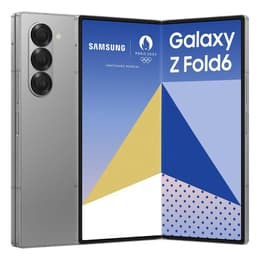
Galaxy Z Fold6
Galaxy Z Fold6
Starting at

Refurbished price:£524.00

Versus £1,685.59 new

See options
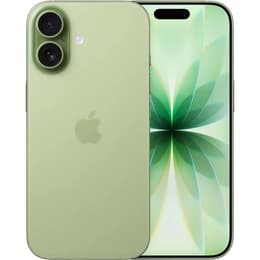
iPhone 17
iPhone 17
Starting at

Refurbished price:£688.00

Versus £799.00 new

See options

Ratings

The Samsung Galaxy Z Fold6, released in July 2024, and the Apple iPhone 17, launched in September 2025, represent distinct approaches to modern smartphone design and functionality. The Galaxy Z Fold6 offers a unique foldable form factor, transforming from a compact smartphone into a larger tablet-like display, while the iPhone 17 maintains a traditional slate design with significant enhancements to its display and camera systems. These devices cater to different user preferences, with the Fold6 emphasizing multitasking and a larger screen experience, and the iPhone 17 focusing on a refined, powerful, and intuitive single-screen operation within the iOS ecosystem.

Scores

Durability

When considering the longevity of these devices, both the Galaxy Z Fold6 and the iPhone 17 offer robust software support and build quality designed for extended use.

  • Release Timeline and Software Support: The Galaxy Z Fold6, released in July 2024, benefits from Samsung's commitment to providing seven years of operating system and security updates, extending its software lifespan well into the future. The iPhone 17, launched in September 2025, typically receives iOS updates for approximately five to six years from its release, ensuring a long period of current software features and security patches.
  • Physical Durability: The Galaxy Z Fold6 features an advanced hinge mechanism and Gorilla Glass Victus 2 on its cover display, contributing to its structural integrity in a foldable design. The iPhone 17, with its traditional slate form, is built with durable materials, and while specific details on its glass protection are not explicitly stated, Apple typically incorporates strong display protection. The foldable nature of the Z Fold6 introduces a moving part, which some users might consider when evaluating long-term mechanical durability, though Samsung has continuously refined its hinge design.
  • Practical Lifespan: Both devices are engineered for daily use over several years. The Z Fold6's foldable screen, while offering unique utility, requires careful handling, particularly regarding the inner display. The iPhone 17's solid construction provides a familiar and generally robust experience for most users. For those seeking an eco-friendly alternative, quality-assured refurbished options for both models can extend their practical lifespan and reduce electronic waste.

Year of Release

2024

2025

Compatible with latest Update

Yes

Yes

OS

Android

iOS

Foldable

Yes

No

Performance

Both the Galaxy Z Fold6 and the iPhone 17 deliver high-level performance, though their underlying architectures and optimization strategies differ to suit their respective operating systems and user experiences.

  • Processing Power and Responsiveness: The Galaxy Z Fold6 is equipped with a current-generation processor designed for demanding tasks, ensuring smooth operation across multiple applications and intensive gaming. The iPhone 17 features Apple's latest system-on-chip, providing a highly responsive and fluid user experience, particularly optimized for iOS applications and Apple's ecosystem. Both devices handle multitasking and heavy workloads without noticeable slowdowns, offering ample power for productivity and entertainment.
  • Multitasking and RAM: The Galaxy Z Fold6 comes with 12GB of RAM, which is beneficial for its multi-window capabilities, allowing users to run several applications simultaneously on its large internal display without performance degradation. The iPhone 17 includes 8GB of RAM, which, combined with iOS's efficient memory management, provides excellent multitasking performance for typical smartphone usage. Users who frequently run three or more apps side-by-side will likely find the Fold6's larger RAM and screen estate more accommodating.
  • Storage and Battery Behavior: Both devices offer various storage configurations, ranging from 256GB up to 1TB for the Z Fold6 and 512GB for the iPhone 17, catering to users with extensive media and application libraries. The Galaxy Z Fold6 has a 4400mAh battery, which generally provides a full day of use, though heavy utilization of the larger inner screen can lead to more frequent charging. The iPhone 17, with its 3692mAh battery, is also reported to last a full day for most users, benefiting from iOS's power efficiency.

Memory (GB)

12 GB

8 GB

Screen quality

The display experience is a primary differentiator between these two devices, with the Galaxy Z Fold6 offering a unique dual-screen setup and the iPhone 17 providing a high-quality, traditional display.

  • Display Technology and Size: The Galaxy Z Fold6 features a 7.6-inch foldable Dynamic AMOLED 2X main display and a 6.3-inch Dynamic AMOLED 2X cover display. This allows for a versatile experience, functioning as a standard smartphone when folded and expanding into a tablet-like canvas when unfolded. The iPhone 17 sports a single 6.3-inch OLED display, offering a larger viewing area than its predecessor.
  • Resolution and Clarity: Both devices offer sharp and clear visuals. The Z Fold6's main display has a resolution of 1856x2160 pixels, while its cover display is 968x2376 pixels. The iPhone 17's OLED display provides vibrant colors and deep blacks, with a resolution that ensures crisp text and detailed images.
  • Brightness and Refresh Rate: Both screens on the Galaxy Z Fold6 support an adaptive 120Hz refresh rate, contributing to smooth scrolling and fluid animations, and can reach a peak brightness of 2600 nits, ensuring good visibility in various lighting conditions. The iPhone 17 also features a 120Hz ProMotion refresh rate, a significant upgrade for the base model, and boasts an impressive peak brightness of 3000 nits for outdoor use, along with an anti-reflective coating.

Resolution

1856 x 2160

2622x1206

Screen type

Foldable Dynamic LTPO AMOLED 2X

Super Retina XDR

Audiovisual

Both the Galaxy Z Fold6 and the iPhone 17 offer advanced camera systems capable of capturing high-quality photos and videos, though they approach imaging with slightly different hardware configurations.

  • Rear Camera Systems: The Galaxy Z Fold6 is equipped with a versatile triple-camera setup on its rear, including a 50MP wide-angle lens, a 12MP ultra-wide lens, and a 10MP telephoto lens with 3x optical zoom. This configuration provides flexibility for various photographic scenarios, from expansive landscapes to distant subjects. The iPhone 17 features a 48MP Dual Fusion camera system, comprising a 48MP main wide lens and a 48MP ultra-wide lens. While it lacks a dedicated telephoto lens on the base model, its high-resolution main sensor is capable of excellent detail and digital zoom.
  • Photography Performance: Users report that the Galaxy Z Fold6 delivers good camera quality, performing well in various conditions and standing out among foldable devices. The iPhone 17's main camera is particularly noted for its strong low-light performance, capturing clear images even in challenging lighting. Both devices are capable of producing consistent and reliable image quality for everyday photography.
  • Front Cameras and Video: The Z Fold6 includes a 10MP camera on its cover display and a 4MP under-display camera on its main screen. The iPhone 17 introduces an 18MP Centre Stage front camera with a square sensor, enabling unique landscape selfie capabilities. Both phones offer high-quality video recording, with the iPhone 17's video capabilities often praised for their smoothness and detail.

Main camera

50 megapixels

48 megapixels

Front camera

4 megapixels

18 megapixels

Miscellaneous

Beyond core specifications, several practical elements contribute to the overall user experience of the Galaxy Z Fold6 and the iPhone 17.

  • Connectivity and Ports: Both devices support 5G connectivity, ensuring fast mobile data speeds. The Galaxy Z Fold6 offers modern Wi-Fi standards and Bluetooth for wireless connections. The iPhone 17 also supports advanced Wi-Fi and Bluetooth, and notably features a USB-C port for charging and data transfer, aligning with broader industry standards. The Z Fold6 also uses USB-C.
  • Biometric Security and Build: The Galaxy Z Fold6 typically incorporates a side-mounted fingerprint sensor for secure unlocking. The iPhone 17 relies on Face ID for biometric authentication, offering a seamless facial recognition experience. In terms of build, the Z Fold6 has a refined design with a slightly wider and shorter form factor when folded, making the cover screen more usable one-handed. The iPhone 17 maintains a sleek, traditional smartphone design, with a slightly larger frame than its predecessor.
  • Handling and User Interface: The Z Fold6's foldable design allows for a compact phone experience that unfolds into a larger screen for productivity and media consumption, though some users note its weight. Its One UI software is optimized for the foldable form factor, enhancing multitasking. The iPhone 17, running iOS 26, offers a highly intuitive and user-friendly interface, with new features like Memory Integrity Enforcement for enhanced security.

Weight

239 g

177 g

Screen size (in)

7.6

6.3

Mobile network

5G

5G

SIM card

Dual Physical SIM + eSIM

Physical SIM + eSIM

Carrier compatibility

Unlocked

Unlocked

The Samsung Galaxy Z Fold6 and the Apple iPhone 17 cater to distinct user needs and preferences, each excelling in different areas based on their fundamental design philosophies. The Galaxy Z Fold6 is frequently praised by users for its innovative foldable design, which provides an expansive screen for multitasking and media consumption in a portable form factor. Its ability to transform from a standard smartphone to a tablet-like device is a significant draw for those who prioritize screen real estate and productivity on the go. However, some users have noted that the device can feel heavier than traditional smartphones, and the crease on the inner display, while less noticeable with each generation, is still present.

Conversely, the iPhone 17 receives acclaim for its refined user experience, powerful performance, and significantly upgraded display, including the 120Hz ProMotion refresh rate for the base model. Its camera system, particularly its low-light capabilities, is a consistent highlight, delivering reliable and high-quality images. Criticisms often revolve around its battery life, which, while generally lasting a full day, may not be as robust as some larger Pro Max models for heavy users. The iPhone 17 is seen as a strong all-around device that offers substantial improvements over its predecessors without the premium price tag of the Pro models.

Users prioritizing a versatile device that offers a large, immersive screen for productivity, content creation, or extensive media consumption will find the Galaxy Z Fold6 well-suited to their needs. Its unique form factor and robust multitasking features make it ideal for those who want a phone and a small tablet in one. On the other hand, users who value a consistently excellent camera, a fluid and intuitive operating system, and a premium single-screen experience will likely lean towards the iPhone 17. It is an excellent choice for those seeking a powerful and reliable smartphone for everyday use, photography, and the Apple ecosystem. Both devices, whether new or as a quality-assured refurbished option, offer compelling features for different user profiles.


See all articles

Our recent comparisons