Compare models
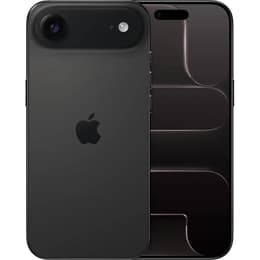
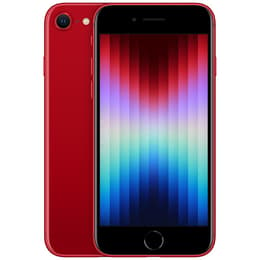
iPhone Air Vs iPhone SE (2022)
- 1-year minimum warranty
- Free delivery on all items
- Free 30-day returns
Differences at a glance
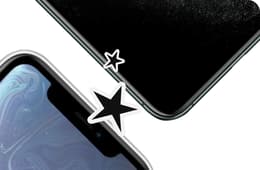
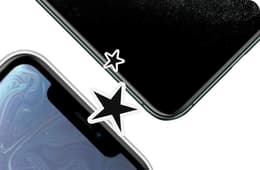
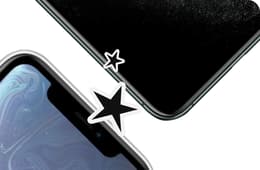
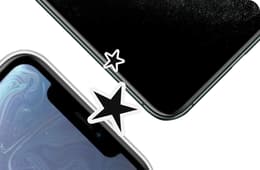
The iPhone Air (2025) and the iPhone SE (2022) represent two entirely different approaches to smartphone design within Apple's ecosystem, bridging a multi-year gap in release timelines. While the iPhone Air focuses on a modern, ultra-slim profile with expansive screen real estate, the iPhone SE relies on a traditional, compact form factor featuring physical navigation controls. Both models run current versions of iOS and offer distinct hardware layouts tailored to contrasting user preferences.
Available Models
Colour
Storage
Scores
Durability
When examining longevity, these devices span different generations, resulting in varying timelines for software support and expected hardware durability.
- Release timeline and support: The iPhone Air launched more recently, ensuring a significantly extended window of future software updates compared to the older iPhone SE (2022).
- Build and resilience: The iPhone Air incorporates advanced scratch-resistant glass and a titanium frame, whereas the iPhone SE utilizes an aluminum frame with classic glass panels.
- Practical lifespan: Users selecting the iPhone Air gain extended compatibility for upcoming operating systems, while the iPhone SE suits shorter-term or traditional usage needs.
Year of Release
2025
2022
Compatible with latest Update
Yes
Yes
OS
iOS
iOS
Foldable
No
No
Performance
Underneath their exteriors, these devices handle everyday tasks and demanding software quite differently based on their internal hardware generations.
- Processing capability: The iPhone Air manages intensive multitasking, complex applications, and high-end gaming smoothly, while the iPhone SE handles routine tasks like messaging and web browsing reliably with its capable processor.
- Memory and multitasking: The iPhone Air features ample RAM to keep numerous background apps active simultaneously, whereas the iPhone SE offers standard multitasking capacity suited for lighter daily routines.
- Battery behavior: The iPhone Air accommodates a larger physical footprint for extended daily use, while the iPhone SE's compact battery capacity requires more frequent charging during heavy tasks.
Screen quality
Visual experiences differ drastically between the two models due to contrasting display technologies, panel sizes, and refresh rate capabilities.
- Display technology: The iPhone Air utilizes an expansive OLED panel offering deep contrast and vivid color reproduction, while the iPhone SE features a smaller LCD screen with traditional brightness levels.
- Smoothness and motion: The iPhone Air supports high refresh rates for fluid scrolling and animations, whereas the iPhone SE uses a standard refresh rate for everyday navigation.
- Outdoor visibility: The iPhone Air achieves high peak brightness levels for clear viewing in direct sunlight, while the iPhone SE functions adequately indoors and under moderate outdoor lighting.
Resolution
2736x1260
750 x 1334
Screen type
Super Retina XDR
Retina IPS LCD
Audiovisual
Photography and media consumption capabilities reflect the generational gap and physical design choices of each smartphone.
- Camera systems: The iPhone Air is equipped with a high-resolution single lens system featuring advanced computational photography, whereas the iPhone SE relies on a simpler single-camera setup for everyday snapshots.
- Low-light and video: The iPhone Air captures detailed low-light imagery and high-definition video with enhanced stabilization, while the iPhone SE handles casual video calls and basic daylight photos effectively.
- Media audio output: The iPhone Air provides immersive sound for media playback, while the iPhone SE delivers standard audio output suitable for podcasts and calls.
Main camera
48 megapixels
12 megapixels
Front camera
18 megapixels
7 megapixels
Miscellaneous
Practical daily usability elements such as security features, physical dimensions, and connectivity options separate the two user experiences.
- Security authentication: The iPhone Air uses advanced facial recognition for quick unlocking, whereas the iPhone SE retains a physical home button with fingerprint recognition.
- Port design: The iPhone Air adopts the universal USB-C standard for charging and data transfer, while the iPhone SE utilizes Apple's traditional Lightning connector.
- Physical handling: The iPhone Air offers a large viewing area within a remarkably thin chassis, while the iPhone SE provides a lightweight, pocket-friendly footprint that is easily operated with one hand.
Weight
165 g
144 g
Screen size (in)
6.5
4.7
Mobile network
5G
5G
SIM card
eSIM
Physical SIM + eSIM
Carrier compatibility
Unlocked
Unlocked
Connector
USB-C
Lightning
What the community thinks
User feedback highlights distinct preferences for each device across community forums. Owners of the iPhone Air frequently praise its large, vibrant display, modern aesthetics, and fluid system responsiveness, though some note that its ultra-thin profile requires careful handling. Conversely, users of the iPhone SE (2022) appreciate its familiar physical home button, pocketable dimensions, and straightforward operation, though many point out that the smaller battery and traditional screen size feel dated for media consumption.
Users prioritizing a modern viewing experience, advanced multitasking, and a slim profile will find the iPhone Air well-suited to their needs. Meanwhile, users who prefer a compact device, physical navigation controls, and a traditional layout will lean toward the iPhone SE (2022). Exploring a quality-assured refurbished option provides an eco-friendly way to acquire either model while supporting sustainable technology choices. Ultimately, the right choice depends on whether daily routines lean toward expansive modern media consumption or compact, traditional simplicity.