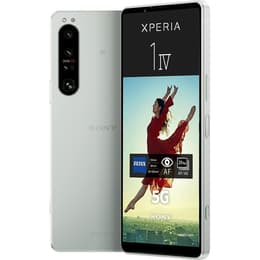
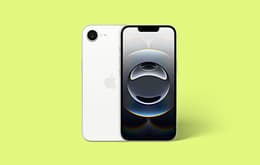
iPhone 16e Vs Sony Xperia 1 IV

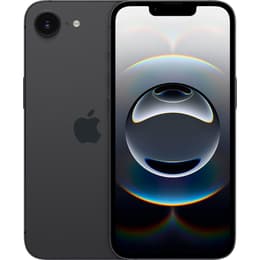
iPhone 16e
iPhone 16e
Starting at

Refurbished price:£359.00

Versus £599.00 new

See options
Sony Xperia 1 IV
Sony Xperia 1 IV
Starting at

Refurbished price:£347.00

Versus £1,500.00 new

See options

Ratings

The iPhone 16, released in September 2024, and the Sony Xperia 1 IV, launched in May 2022, represent distinct approaches to the premium smartphone experience. While both devices offer advanced capabilities, they cater to different user priorities, particularly in their camera systems and display technologies. The iPhone 16 operates on Apple's iOS, known for its integrated ecosystem, while the Sony Xperia 1 IV runs on Android, offering more customization and open-source flexibility.

Scores

Durability

The longevity of a smartphone is influenced by its release timeline, software support, and repairability.

  • Release Timeline: The iPhone 16, being a 2024 release, benefits from a more recent launch, placing it further along in its software support cycle compared to the Sony Xperia 1 IV, which was released in 2022. This means the iPhone 16 is expected to receive major iOS updates for a longer duration.
  • Software Longevity: The iPhone 16 launched with iOS 18 and is currently running iOS 26.3.1, ensuring several more years of feature updates and security patches. The Sony Xperia 1 IV, originally on Android 12, is upgradable to Android 14, but its update cycle is naturally shorter due to its earlier release.
  • Repairability: The iPhone 16 has shown significant improvements in repairability, earning an iFixit score of 7 out of 10, a notable increase from previous models. This suggests that common repairs, such as battery replacements, are more accessible. Information regarding the Sony Xperia 1 IV's specific repairability score is less prominent, but its design is generally considered less modular than the improved iPhone 16.

Year of Release

2025

2022

OS

iOS

Android

Foldable

No

No

Performance

Performance in modern smartphones encompasses how smoothly applications run, the device's multitasking capabilities, and its power efficiency.

  • Processor Capabilities: The iPhone 16 is equipped with Apple's A18 chip, featuring a 6-core CPU, 5-core GPU, and a 16-core Neural Engine. This hardware is designed to handle demanding applications, complex computations for AI features, and graphics-intensive gaming with high efficiency. The Sony Xperia 1 IV utilizes the Qualcomm Snapdragon 8 Gen 1 SoC, which was a flagship processor at its release. While capable, it is an older generation chip and may not match the sustained performance or power efficiency of the newer iPhone 16's processor, especially with intensive tasks.
  • Multitasking and Responsiveness: The iPhone 16 features 8 GB of LPDDR5X RAM, contributing to smooth app switching and overall system responsiveness. The Sony Xperia 1 IV comes with 12 GB of LPDDR5 RAM, which provides ample capacity for running multiple applications simultaneously and managing background processes. Both devices offer a fluid user experience for everyday tasks, though the iPhone 16's newer processor may provide a noticeable edge in future-proofing for more demanding software.
  • Storage Options: The iPhone 16 is available with 128GB, 256GB, or 512GB of internal storage, without expansion options. The Sony Xperia 1 IV offers 256 GB or 512 GB of internal storage and includes a microSDXC slot, allowing users to expand storage up to an additional 1 TB.

Memory (GB)

8 GB

12 GB

Screen quality

The visual experience on a smartphone is largely defined by its display technology, resolution, and brightness capabilities.

  • Display Technology and Resolution: The iPhone 16 features a 6.1-inch Super Retina XDR OLED display with a resolution of 2556 by 1179 pixels, resulting in a pixel density of 460 ppi. This OLED technology delivers deep blacks and vibrant colors. The Sony Xperia 1 IV stands out with a 6.5-inch 21:9 4K HDR OLED display, offering a resolution of 3840 x 1644 pixels. This higher resolution provides exceptional clarity, particularly for viewing high-definition content.
  • Brightness and Clarity: The iPhone 16's display offers a typical maximum brightness of 1000 nits, with peak HDR brightness reaching 1600 nits and peak outdoor brightness up to 2000 nits, ensuring good visibility in various lighting conditions. The Sony Xperia 1 IV's display is also bright, with improvements over its predecessor, and its 4K resolution contributes to perceived clarity.
  • Refresh Rate and Smoothness: The iPhone 16 features a standard refresh rate, meaning it does not include the ProMotion 120Hz adaptive refresh rate found in Pro models. The Sony Xperia 1 IV, however, boasts a 120Hz refresh rate and a 240Hz touch sampling rate, providing a smoother scrolling experience and more responsive touch input, which can be particularly beneficial for gaming and fast-paced content.

Resolution

2532x1170

1644 x 3840

Audiovisual

Both smartphones offer advanced camera systems, but they approach mobile photography and videography with different philosophies.

  • Rear Camera Systems: The iPhone 16 is equipped with an advanced dual-camera system, featuring a 48MP Fusion Main camera with an f/1.6 aperture and sensor-shift optical image stabilization, capable of 2x optical telephoto equivalent shots. It also includes a 12MP Ultra Wide camera with an f/2.2 aperture and a 120-degree field of view. The Sony Xperia 1 IV features a versatile triple 12MP camera system with ZEISS optics, including a main 12MP f/1.7 lens with OIS, a 12MP ultra-wide f/2.2 lens with autofocus, and a unique 12MP variable telephoto lens that offers continuous optical zoom between 85mm and 125mm (approximately 3.5x to 5.2x).
  • Photography Performance: The iPhone 16 excels in computational photography, offering features like Photonic Engine, Deep Fusion, and Smart HDR 5 for balanced and detailed images across various conditions. It also supports macro photography and improved low-light performance for its ultrawide camera. The Xperia 1 IV emphasizes manual control, drawing from Sony's Alpha camera expertise, allowing users granular adjustments. Its continuous optical zoom provides flexibility for distant subjects, though its low-light performance on the ultrawide and telephoto lenses may not always match the main sensor.
  • Video Recording Quality: The iPhone 16 supports 4K Dolby Vision video recording at up to 60 frames per second, with Cinematic mode up to 4K Dolby Vision at 30 frames per second, and spatial video recording. The Sony Xperia 1 IV is notable for its ability to record 4K video at 120 frames per second across all its rear lenses, offering significant creative potential for slow-motion and cinematic effects, especially with its Cinema Pro app.

Front camera

TrueDepth 12MP

12 megapixels

Miscellaneous

Beyond core performance and imaging, several practical elements contribute to the overall user experience of these devices.

  • Connectivity and Ports: The iPhone 16 supports Wi-Fi 7 (802.11be) and Bluetooth 5.3, along with 5G connectivity and a USB-C port for charging and data transfer, though it operates at USB 2.0 speeds. In the US, it is eSIM-only. The Sony Xperia 1 IV features Wi-Fi 6 (802.11ax) and Bluetooth 5.2, also with 5G support. It includes a USB-C port that supports USB 3.2 speeds and notably retains a 3.5mm headphone jack, a feature absent on the iPhone.
  • Build Materials and Dimensions: The iPhone 16 features an aluminum frame with a Ceramic Shield front and a frosted glass back, offering IP68 water and dust resistance. It measures 147.6 x 71.6 x 7.8 mm and weighs 170 grams. The Sony Xperia 1 IV also has an IP68 rating and measures 165 x 71 x 8.2 mm, weighing 185 grams. Its 21:9 aspect ratio makes it a taller and narrower device.
  • Unique Features: The iPhone 16 incorporates the Dynamic Island for interactive alerts and activities, an Action button for customizable shortcuts, and a new Camera Control button. It also integrates Apple Intelligence for enhanced AI capabilities. The Sony Xperia 1 IV includes a dedicated physical shutter button, which can enhance the photography experience, and offers expandable storage via a microSD card slot.

Weight

167 g

185 g

Screen size (in)

6.1

6,5

Mobile network

5G

5G

SIM card

eSIM

Physical SIM + eSIM

Carrier compatibility

Unlocked

Unlocked

Connector

USB-C

USB-C + Jack 3.5mm

User feedback for the iPhone 16 often praises its refined iOS experience, the advancements in its camera system, particularly the improved low-light performance and new features like spatial video, and the overall fluidity of its performance. The enhanced repairability has also been a positive point for many. Some common criticisms include the standard model still lacking a high refresh rate display and the absence of expandable storage.

The Sony Xperia 1 IV is frequently lauded by users for its unique 4K OLED display, offering an immersive viewing experience, and its highly versatile camera system with continuous optical zoom and extensive manual controls, appealing to photography and videography enthusiasts. The inclusion of a 3.5mm headphone jack and expandable storage are also often highlighted as significant advantages. However, common concerns include inconsistent battery life, particularly with heavy use of the 4K display, and reports of the device generating heat during intensive tasks. The fingerprint reader has also been noted as sometimes erratic.

Users prioritizing a seamless ecosystem, robust software support, and a balance of advanced features with improved repairability may find the iPhone 16 well-suited to their needs. Conversely, those who value a unique 4K display, extensive manual camera controls, expandable storage, and a traditional headphone jack, often with a focus on media creation, might lean towards the Sony Xperia 1 IV. Both devices offer compelling features, and choosing between them often comes down to these distinct priorities. For those considering either device, exploring quality-assured refurbished options can be an eco-friendly alternative.
See all articles

Our recent comparisons