iPhone 13 Pro Max Vs iPhone 16

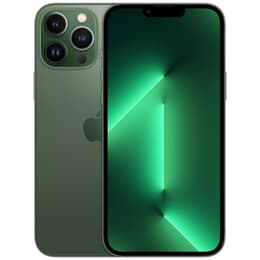
iPhone 13 Pro Max
iPhone 13 Pro Max
Starting at

Refurbished price:£272.00

Versus £1,259.00 new

See options
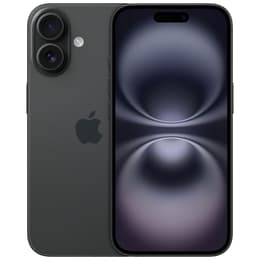
iPhone 16
iPhone 16
Starting at

Refurbished price:£475.00

Versus £699.00 new

See options

Ratings

The iPhone 13 Pro Max, released in September 2021, and the iPhone 16, launched in September 2024, represent different generations of Apple's smartphone lineup. While both operate on the iOS ecosystem, the iPhone 16 introduces a newer processor, an updated camera system, and a modern connectivity port, distinguishing it from its predecessor. These differences cater to varying user priorities, from raw performance to photographic capabilities and future-proofing.

Scores

Durability

When considering the longevity of these devices, their respective release dates play a significant role in anticipated software support and overall practical lifespan.

  • Release Timeline: The iPhone 13 Pro Max, released in September 2021, is now over four years old, while the iPhone 16, released in September 2024, is a much newer device. This age difference directly impacts how long each phone will continue to receive major iOS updates.
  • Software Longevity: Apple typically provides major iOS updates for approximately five to seven years from a device's release. The iPhone 16 is expected to receive software support for several years longer than the iPhone 13 Pro Max, offering a more extended period of new features and security enhancements. Users prioritizing the longest possible software support will find the iPhone 16 more aligned with their needs.
  • Durability and Repairability: Both models feature robust builds with Ceramic Shield front covers and IP68 water and dust resistance, offering similar levels of protection against everyday elements. The ease of repair can vary, but both are designed with Apple's ecosystem in mind.

Year of Release

2021

2024

Compatible with latest Update

Yes

Yes

Foldable

No

No

Performance

Performance is a key differentiator, with the newer iPhone 16 benefiting from advancements in processing power and efficiency compared to the iPhone 13 Pro Max.

  • Processing Power: The iPhone 13 Pro Max is powered by the A15 Bionic chip, which delivers strong performance for demanding applications and multitasking. The iPhone 16 features the newer A18 chip, offering enhanced processing capabilities that result in faster app loading, smoother transitions, and more efficient handling of complex tasks.
  • Multitasking and Responsiveness: The iPhone 13 Pro Max comes with 6GB of RAM, providing a fluid experience for most users. The iPhone 16, with 8GB of RAM, offers additional headroom for intensive multitasking and future applications, contributing to a more consistently responsive user experience.
  • Battery Behavior: The iPhone 13 Pro Max is renowned for its exceptional battery life, often providing up to two days of use for average users due to its large battery capacity and efficient A15 Bionic chip. The iPhone 16 also offers a significant boost in battery life compared to its direct predecessor, the iPhone 15, and is designed for efficient power consumption, though its overall capacity is smaller than the 13 Pro Max.

Memory (GB)

6 GB

8 GB

Screen quality

Both devices offer high-quality displays, but there are notable differences in refresh rate and overall viewing experience.

  • Display Technology and Clarity: Both the iPhone 13 Pro Max and the iPhone 16 feature Super Retina XDR OLED displays, providing deep blacks, vibrant colors, and excellent contrast. The resolution on both phones is sharp, ensuring clear text and detailed images.
  • Refresh Rate: A significant difference lies in the refresh rate. The iPhone 13 Pro Max boasts ProMotion technology, offering an adaptive refresh rate up to 120Hz for incredibly smooth scrolling and responsive interactions. The standard iPhone 16, however, maintains a 60Hz refresh rate, which is still fluid but does not offer the same level of visual smoothness as the ProMotion display.
  • Brightness and Size: The iPhone 13 Pro Max features a 6.7-inch display with high typical and peak HDR brightness levels, making it suitable for outdoor use. The standard iPhone 16 has a slightly smaller 6.1-inch display, also with excellent brightness for various lighting conditions.

Resolution

1284 x 2778

1179 x 2556

Screen type

Super Retina XDR OLED

Super Retina XDR OLED

Audiovisual

Camera capabilities have seen continuous evolution, with the iPhone 16 introducing new features and improvements over the iPhone 13 Pro Max's already capable system.

  • Main Camera System: The iPhone 13 Pro Max features a versatile triple 12MP camera system, including wide, ultrawide, and a dedicated 3x telephoto lens, along with a LiDAR scanner for enhanced depth sensing. The iPhone 16 features an advanced dual-camera system with a 48MP main sensor, capable of capturing detailed photos and offering 2x optical quality zoom. It also includes a 12MP ultrawide camera.
  • Photography Features: The iPhone 13 Pro Max introduced Cinematic mode and ProRes video recording, offering advanced video capabilities. The iPhone 16 enhances photography with features like macro photography support and a vertical camera layout designed for spatial video capture. Both offer strong low-light performance, though the newer iPhone 16's larger main sensor and improved aperture on the ultrawide are designed to further enhance low-light capture.
  • User Experience: The iPhone 16 introduces a new capacitive Capture Button, allowing for more intuitive photo and video capture with pressure-sensitive controls for focusing and zooming.

Main camera

12 megapixels

48 megapixels

Front camera

12 megapixels

12 megapixels

Miscellaneous

Beyond core specifications, several practical elements contribute to the overall user experience and connectivity of these devices.

  • Connectivity and Ports: The iPhone 13 Pro Max utilizes the Lightning port for charging and data transfer, and supports Wi-Fi 6 and Bluetooth 5.0. The iPhone 16 has transitioned to a USB-C port, aligning with modern standards and offering universal compatibility with many other electronic devices. The standard iPhone 16's USB-C port supports USB 2.0 speeds, while the iPhone 13 Pro Max's Lightning port also operates at USB 2.0 speeds. Both devices support 5G cellular connectivity.
  • Physical Design and Handling: The iPhone 13 Pro Max is a larger and heavier device, weighing 240 grams with dimensions of 160.8 x 78.1 x 7.65 mm, which can be a factor for one-handed use. The standard iPhone 16 is more compact and lighter, with dimensions of 147.6 x 71.6 x 7.80 mm, offering a more manageable feel for some users. Both feature Face ID for secure authentication.
  • Additional Features: The iPhone 16 incorporates the Action Button, previously exclusive to Pro models, offering customizable shortcuts for various functions. It also integrates Apple Intelligence features, leveraging advanced AI for enhanced user interactions and productivity.

Weight

238 g

170 g

Screen size (in)

6.7

6.1

Mobile network

5G

5G

SIM card

Physical SIM + eSIM

Physical SIM + eSIM

Carrier compatibility

Unlocked

Unlocked

Connector

Lightning

USB-C (USB 2)

Choosing between the iPhone 13 Pro Max and the iPhone 16 involves weighing the benefits of a mature, high-end device against the advancements of a newer, more current model. Users often praise the iPhone 13 Pro Max for its exceptional battery life and its ProMotion display, which provides a very smooth visual experience. Some users, however, found its size and weight to be substantial. The iPhone 16, on the other hand, is frequently lauded for its updated processor, the introduction of the versatile USB-C port, and its enhanced camera capabilities, including macro photography and the new Capture Button. Criticisms for the standard iPhone 16 sometimes point to the retention of a 60Hz display, which might feel less fluid compared to higher refresh rate screens on other devices, including the older 13 Pro Max.

Users who prioritize maximum battery endurance and a high refresh rate display for a consistently smooth visual experience may find the iPhone 13 Pro Max still meets their needs effectively. Conversely, those who value the latest processing power, a modern USB-C port, advanced camera features like macro photography and spatial video, and a longer period of software support will likely find the iPhone 16 to be the more suitable option. For individuals seeking a quality-assured refurbished option, both models offer an eco-friendly alternative to purchasing new, allowing for informed and sustainable choices.

See all articles

Our recent comparisons