
Galaxy A15 5G Vs Galaxy A16

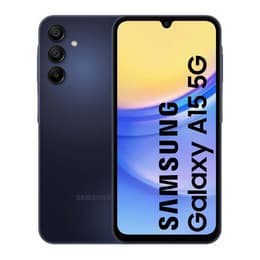
Galaxy A15 5G
Galaxy A15 5G
Starting at

Refurbished price:£99.00

Versus £212.30 new

See options
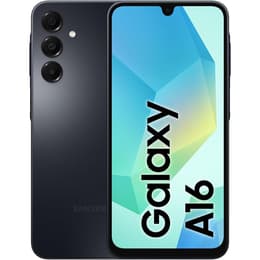
Galaxy A16
Galaxy A16
Starting at

Refurbished price:£100.62

Versus £206.96 new

See options

Ratings

The Samsung Galaxy A15 5G, released in late 2023 and early 2024, and the Samsung Galaxy A16, launched in late 2024 and early 2025, represent consecutive generations within Samsung's accessible smartphone lineup. While both devices offer a similar core experience, the Galaxy A16 introduces enhancements in software longevity, display size, and overall durability. Both operate on the Android platform, providing a familiar user interface.

Scores

Durability

When considering the long-term usability of these devices, their release timelines and software support policies are key factors.

  • Release Timeline: The Galaxy A15 5G was introduced in late 2023 and early 2024, while the Galaxy A16 followed approximately a year later, in late 2024 and early 2025. This difference in launch date inherently means the A16 is a newer device.
  • Software Longevity: The Galaxy A15 5G is committed to receiving four years of operating system updates and five years of security updates. In contrast, the Galaxy A16 sets a new standard for its category, offering an extended promise of six years of both operating system and security updates. This extended support means the A16 will remain current and secure for a significantly longer period.
  • Durability Features: The Galaxy A16 introduces an IP54 rating for dust and splash resistance, a feature not present in its predecessor. Both devices feature plastic frames and backs, with the A16 utilizing a 'Glastic' material that mimics glass.

Year of Release

2023

2024

Compatible with latest Update

Yes

Yes

OS

Android

Android

Foldable

No

No

Performance

Evaluating the performance of these smartphones involves looking at their responsiveness in daily use, multitasking capabilities, and storage options.

  • System Responsiveness: The Galaxy A15 5G is powered by a processor designed for efficient 5G connectivity, handling everyday tasks and web browsing adequately. However, some users have noted occasional lag during multitasking or when launching demanding applications. The Galaxy A16 features an updated processor, which aims to deliver a smoother experience for general usage and multitasking, addressing some of the performance observations of its predecessor.
  • Multitasking and App Handling: Both devices are equipped to manage multiple applications, though the Galaxy A16's newer processing unit is expected to provide a more fluid transition between apps and a more consistent experience under heavier loads. The A15 5G, while capable, may require apps to reload more frequently when switching between them.
  • Storage and Memory: Both models offer various configurations, typically starting with 4GB of RAM and 128GB of internal storage, with options for up to 8GB of RAM and 256GB of storage. Both also support expandable storage via a microSD card, with the Galaxy A16 supporting up to 1.5TB, an increase from the Galaxy A15 5G's 1TB limit.

Memory (GB)

4 GB

4 GB

Screen quality

The visual experience on a smartphone is largely defined by its display, encompassing technology, resolution, and brightness.

  • Display Technology and Clarity: Both the Galaxy A15 5G and Galaxy A16 feature Super AMOLED displays, known for their vibrant colors and deep blacks, offering a clear viewing experience for media consumption and daily tasks. Both displays maintain a Full HD+ resolution (1080x2340 pixels), ensuring sharp images and text.
  • Size and Viewing Experience: The Galaxy A15 5G comes with a 6.5-inch display. The Galaxy A16 offers a slightly larger 6.7-inch display, providing a more expansive canvas for content viewing and navigation.
  • Brightness and Smoothness: Both screens support a 90Hz refresh rate, contributing to smoother scrolling and a more responsive feel compared to standard 60Hz displays. They also achieve a peak brightness of up to 800 nits in High Brightness Mode, which is generally sufficient for outdoor visibility, though direct sunlight can still pose challenges.

Resolution

1080 x 2340

1080 x 2340

Screen type

Super AMOLED

Super AMOLED

Audiovisual

The camera systems on both devices are designed to capture everyday moments, with similar specifications across generations.

  • Rear Camera System: Both the Galaxy A15 5G and Galaxy A16 feature a triple-camera setup on the rear. This typically includes a 50-megapixel main sensor, a 5-megapixel ultrawide lens, and a 2-megapixel macro lens. The main camera on both is capable of producing detailed images in good lighting conditions.
  • Photography Performance: In everyday scenarios, both phones deliver comparable photo quality, with the main sensor performing well. The ultrawide and macro lenses offer versatility for different types of shots. Users of the A15 5G have noted that its camera system provides decent photography in bright settings, with good color balance. The A16's camera system is largely similar in specifications, suggesting a consistent performance profile.
  • Video and Front Camera: Both devices support video recording at 1080p resolution at 30 frames per second. For selfies and video calls, both are equipped with a 13-megapixel front-facing camera.

Main camera

50 megapixels

50 megapixels

Front camera

13 megapixels

13 megapixels

Miscellaneous

Beyond core specifications, several practical elements contribute to the overall user experience of these smartphones.

  • Connectivity and Ports: Both the Galaxy A15 5G and Galaxy A16 support 5G cellular connectivity, along with Wi-Fi 802.11 a/b/g/n/ac and Bluetooth 5.3 for wireless connections. They both utilize a USB Type-C port for charging and data transfer. The Galaxy A15 5G also retains a 3.5mm headphone jack, which is a convenient feature for many users.
  • Biometric Security: For secure unlocking, both models incorporate a side-mounted fingerprint scanner.
  • Physical Characteristics: The Galaxy A15 5G measures 160.1 x 76.8 x 8.4 mm and weighs approximately 200 grams. The Galaxy A16 is slightly larger with dimensions of 164.4 x 77.9 x 7.9 mm, but maintains a similar weight of around 200 grams, making it slightly thinner. The A16 also features an IP54 rating for dust and splash resistance, enhancing its resilience to everyday elements.

Weight

200 g

200 g

Screen size (in)

6.5

6.7

Mobile network

5G

4G

SIM card

Dual Physical SIM

Dual Physical SIM

Carrier compatibility

Unlocked

Unlocked

User feedback for the Galaxy A15 5G often highlights its vibrant Super AMOLED display and reliable battery life as strong points. Many appreciate its commitment to software updates for its category. However, some users have expressed concerns regarding its processing power, noting occasional slowdowns during demanding tasks or multitasking. The camera system is generally considered adequate for casual photography, though not exceptional in challenging lighting conditions.

For the newer Galaxy A16, initial reception points to its significantly extended software support as a major advantage, offering peace of mind for long-term use. The slightly larger display and the introduction of an IP54 rating are also seen as welcome improvements. While the camera specifications remain similar to its predecessor, the updated internal components are expected to provide a more consistent and responsive user experience.

Users prioritizing extended software longevity and a slightly larger, more resilient device may find the Galaxy A16 better suited to their needs. Its improved durability features and updated processor offer a more future-proof option. Conversely, individuals seeking a capable device for essential tasks and media consumption, who may not require the absolute latest in performance or the longest software support, might find the Galaxy A15 5G to be a suitable choice. Both devices offer a solid foundation for daily smartphone use, and considering a quality-assured refurbished option for either model can be an eco-friendly alternative for making an informed choice.

See all articles

Our recent comparisons